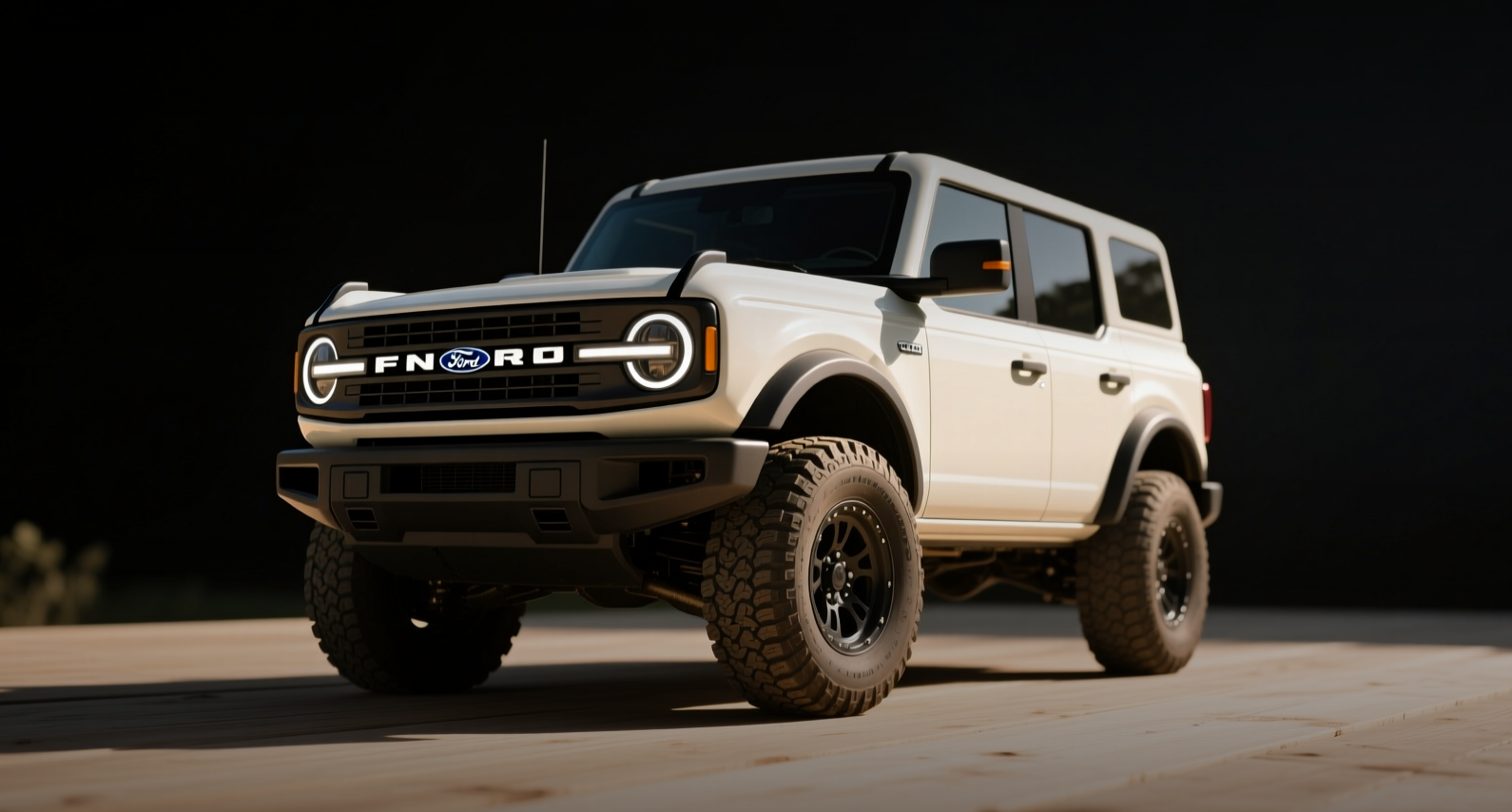
Ford Motor Co. will drop three vehicle categories — family sedans, cheap hatchbacks and minivans — to focus exclusively on "passionate" vehicles like the Mustang and Bronco.
The strategic pivot, announced July 31, is part of Ford's push to boost profitability through enthusiast-focused models and vehicle customization, a direction the company has described as creating "Nike shoe drop" moments for buyers, according to Ford.
The lineup shift removes Ford's mainstream family offerings from its portfolio, concentrating the automaker's product range on higher-margin performance and off-road vehicles. Ford has been expanding customization options across its lineup, including limited-edition models such as the Bronco Desert Rising, as part of the strategy.
The move could reshape Ford's revenue mix by trading volume for margin, though it also risks ceding market share in the sedan and minivan segments to competitors including Toyota Motor Corp. and General Motors Co. Ford's next product cycle will test whether the "passionate" vehicle strategy can sustain sales volumes.
Ford's pivot away from mainstream segments follows years of declining sedan sales across the US auto industry, where consumer preference has shifted decisively toward SUVs and trucks. The company's Mustang and Bronco nameplates have become its most recognizable enthusiast products, with the Bronco competing directly against Jeep's Wrangler in the off-road segment.
The customization push is central to Ford's margin strategy. By offering more factory-installed options and limited-edition packages, Ford aims to increase average transaction prices without expanding its manufacturing footprint. The company has said it wants to create scarcity-driven demand similar to limited sneaker releases.
Ford's US manufacturing operations will continue to produce its remaining lineup, which includes the F-150 pickup, Mustang, Bronco and several SUV models. The company's decision to exit sedans and minivans means it will no longer compete in segments where it has historically held meaningful share.
The strategy carries execution risk. Ford's volume in the discontinued segments will need to be replaced by higher-priced vehicles, and the company faces competition from Tesla Inc. and other EV makers that continue to offer sedan-style vehicles. Ford's next earnings report will provide the first concrete data on whether the product mix shift is delivering the margin improvement management expects.
The product strategy shift shows Ford's willingness to sacrifice volume for profitability, a bet that enthusiast buyers will pay premium prices for Mustang and Bronco derivatives. Investors will watch Ford's next quarterly earnings for evidence that the margin improvement materializes as the lineup transition takes effect.
This article is for informational purposes only and does not constitute investment advice.