
Deminli's projected 5.7 billion yuan first-half profit — a swing from a 118 million yuan loss a year earlier — shows how AI infrastructure spending is reshaping China's memory chip sector.
Deminli's projected 5.7 billion yuan first-half profit — a swing from a 118 million yuan loss a year earlier — shows how AI infrastructure spending is reshaping China's memory chip sector.
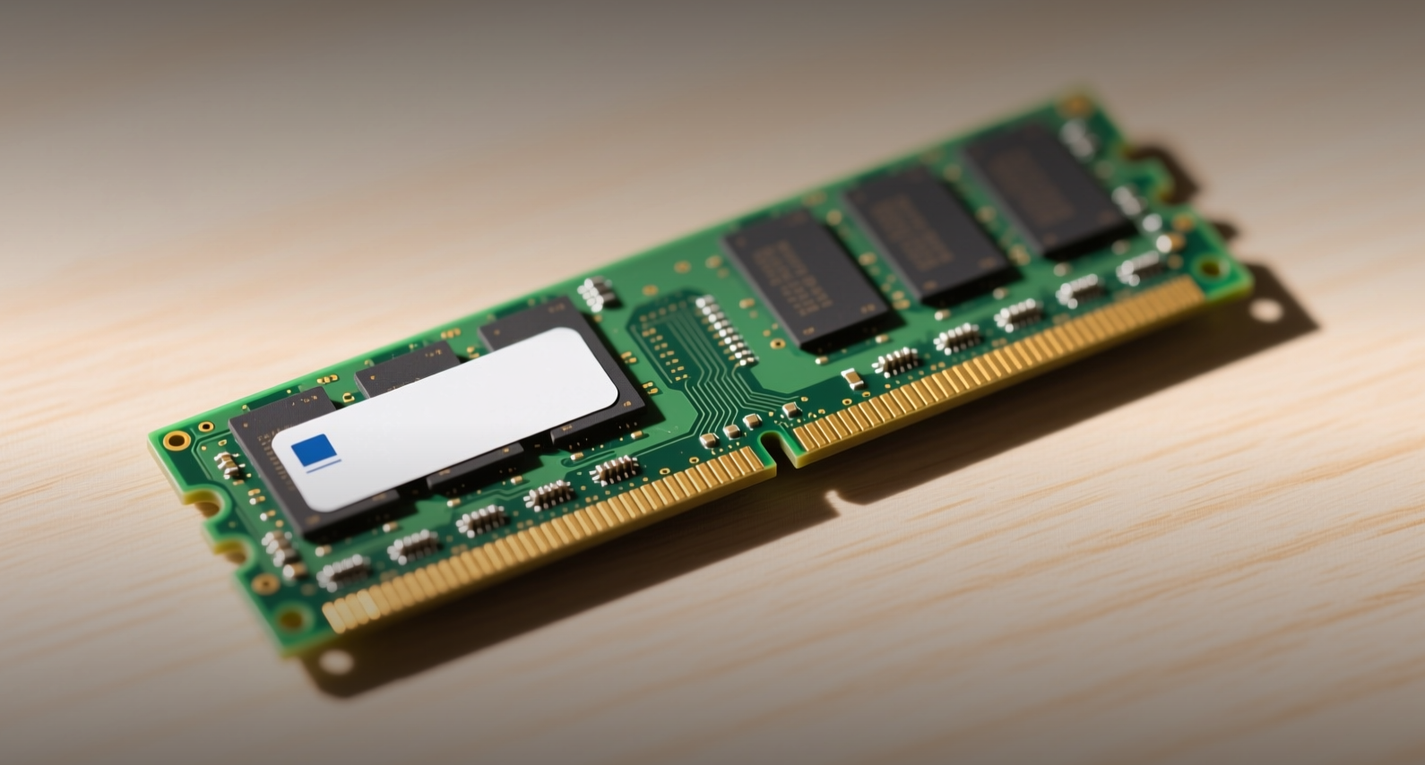
Deminli's projected 5.7 billion yuan first-half profit — a swing from a 118 million yuan loss a year earlier — shows how AI infrastructure spending is reshaping China's memory chip sector.
China's memory module maker Deminli expects first-half net profit of 5.7 billion to 6.5 billion yuan, reversing a 118 million yuan loss, as AI data center buildout drives storage demand and NAND Flash prices higher. The company attributed the turnaround to "accelerated AI application deployment" and tight NAND Flash supply, according to its July 14 earnings forecast filed with the Shenzhen Stock Exchange.
Revenue is projected at 16 billion to 18 billion yuan, up as much as 338% from 4.1 billion yuan a year earlier. Earnings per share will range from 25.35 yuan to 28.91 yuan, compared with a loss of 0.53 yuan per share in the first half of 2025. Non-recurring items accounted for about 51 million yuan, indicating the profit surge was driven by core operations.
The results highlight a broader boom in China's storage supply chain. Global enterprise SSD revenue hit a record $18.46 billion in the first quarter, up 86% from the prior quarter, according to TrendForce, as cloud providers raced to equip AI servers. Samsung Electronics, the market leader with a 35% share, began mass production this month of its PCIe 6.0-based PM1763 SSD capable of 28,400 MB/s read speeds — more than double its predecessor.
Beyond the earnings turnaround, Deminli announced it has developed its own PCIe/SATA dual-mode enterprise SSD controller chip, moving beyond its traditional role as a memory module assembler. The controller — the brain of an SSD that manages data flow between NAND Flash and the host system — is a high-value component that determines performance and power efficiency. The company also said it has begun mass production of multiple QLC-based embedded storage products for applications including cybersecurity and industrial control.
The earnings surge reflects a cyclical upswing in the NAND Flash market, where supply constraints from extended fab buildout timelines have collided with surging demand from AI inference workloads. Deminli said its long-term supply agreements with major wafer manufacturers ensured product availability during the tight market. The company's shift from loss-making module vendor to profitable chip designer mirrors a broader trend among Chinese memory companies seeking higher margins and technology independence.
Deminli's transformation comes as the global enterprise SSD market enters a super-cycle driven by AI. Samsung's new PM1763, built on a 4-nanometer controller and ninth-generation V-NAND, can transfer a 40-gigabyte large language model in about 1.4 seconds — a benchmark that shows the performance demands of AI infrastructure. For investors, Deminli's ability to sustain margin expansion will depend on whether it can commercialize its controller chip beyond its own products and capture a share of the enterprise SSD market now dominated by Samsung, SK Hynix and Micron.
This article is for informational purposes only and does not constitute investment advice.
