
The Trump administration's 50% tariffs on Canadian honey, cosmetics and other goods threaten roughly 87,000 jobs, with small and medium-sized exporters bearing the brunt.
The Trump administration's 50% tariffs on Canadian honey, cosmetics and other goods threaten roughly 87,000 jobs, with small and medium-sized exporters bearing the brunt.
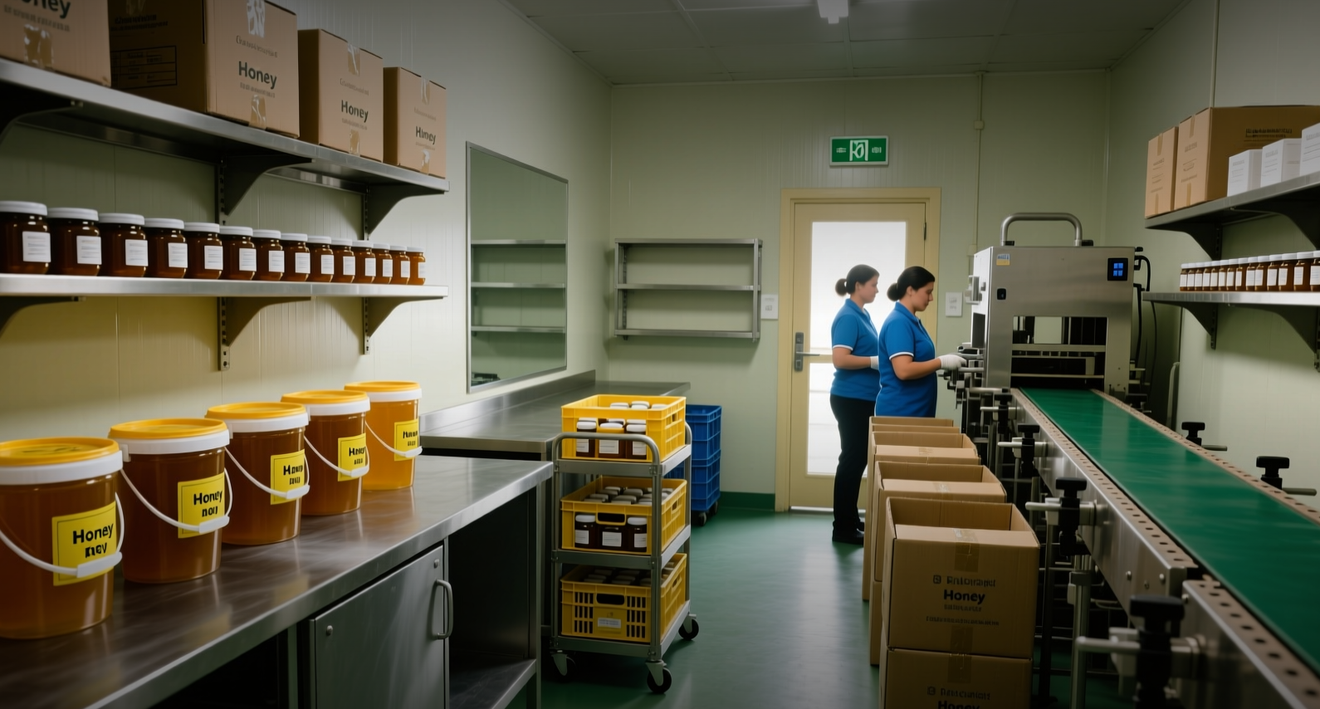
The Trump administration's 50% tariffs on Canadian honey, cosmetics and other goods are set to hit small and medium-sized exporters hardest, threatening roughly 87,000 jobs as Ottawa prepares retaliatory duties.
"If we assume that these tariffs remain in place for some time, what it effectively means is that Americans will be purchasing fewer of the tariff items from Canadian producers – and that will mean less output in Canada and therefore less employment in those exporting firms," said Trevor Tombe, economics professor at the University of Calgary.
Canada's economy grew at an annualized 3.3 percent in the second quarter, the fastest pace since 2023, before the latest round of duties took hold. Tombe's analysis of Statistics Canada input-output data estimates 52,000 jobs are directly at risk, with another 35,000 exposed through suppliers and service providers. Ontario faces the largest hit at 36,100 jobs, followed by Quebec at 18,300 and British Columbia at 11,200, concentrated in machinery, electronics, plastics and rubber.
The duties, imposed Aug. 22 on roughly US$20 billion of Canadian goods, came after trade talks collapsed last week. Ottawa has pledged to match Washington "dollar for dollar," with counter-tariffs on hundreds of U.S. goods set to take effect Sept. 8, alongside a C$7.5 billion support package for workers and businesses.
The escalation extends a tariff war that began in March 2025, when the first wave of Trump-era duties on Canadian steel and aluminum prompted Export Development Canada to launch its Trade Impact Program, committing up to C$5 billion in financing and insurance capacity over two years. The agency said it has since deployed roughly C$3 billion through more than 6,000 transactions supporting over 800 companies.
Export Development Canada said it would expand the program from Sept. 1, adding a C$700 million envelope of direct financing designed to complement facilities offered by exporters' own banks, targeted particularly at small- and medium-sized businesses expected to be hardest hit. "By expanding our risk appetite and strengthening the Trade Impact Program, we're ensuring more companies will have the financing, insurance and support they need to manage risk, seize new opportunities and grow with confidence," said Alison Nankivell, EDC's president and CEO.
For honey and cosmetics producers, the U.S. is often the dominant export market, leaving little room to absorb a 50 percent levy without passing costs to consumers or ceding share to domestic rivals. The Business Development Bank of Canada earlier this year announced up to C$1 billion in favourably priced loans for steel, aluminum and copper producers whose operations have become unviable under the escalating duties.
The pain is spreading unevenly across provinces. Alberta has assessed that $1.5 billion of its goods are subject to the U.S. tariffs, while $4.8 billion face Canadian counter-tariffs, Premier Danielle Smith said. Michigan, which imports roughly US$70 billion in goods from Canada annually, has emerged as a flashpoint, with U.S. business groups and the Maine Lobsters Association pressing both governments to return to the table.
The stakes extend beyond the current round. Trump has said he will double auto tariffs on Canada to 50 percent and add duties on auto parts starting Jan. 1, a move that would deepen pressure on the machinery and electronics sectors already flagged as most exposed. Ottawa's counter-tariffs, which replace an earlier list that included seafood with levies on wood charcoal, printed matter, plaster products and copper wire, take effect Sept. 8 unless talks resume.
This article is for informational purposes only and does not constitute investment advice.
