

The collapse of California's SB 492 leaves PG&E and rival utilities carrying unmitigated wildfire liability that keeps borrowing costs high and delays a return to investment-grade credit.
The collapse of California's SB 492 leaves PG&E and rival utilities carrying unmitigated wildfire liability that keeps borrowing costs high and delays a return to investment-grade credit.
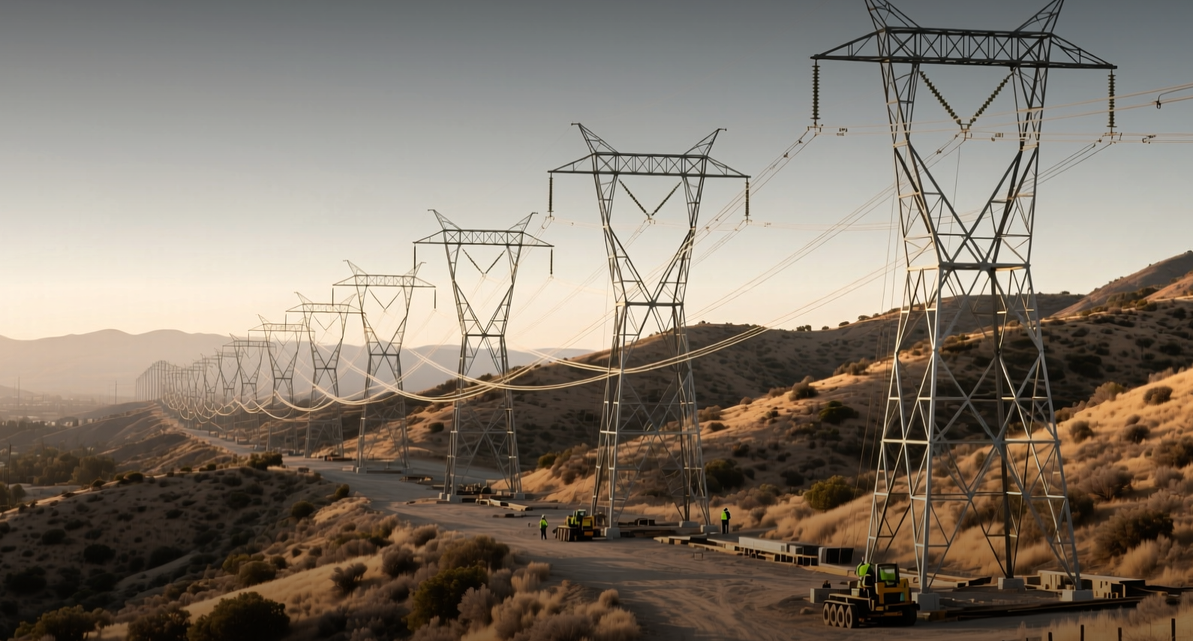
California lawmakers let wildfire liability reform die in the Assembly this week, leaving PG&E exposed to fire costs that Chief Executive Patti Poppe says will keep borrowing costs elevated and block billions in grid investment.
"Reform would lower PG&E's borrowing costs, help restore its investment-grade credit rating and unlock billions of dollars in investment," Patti Poppe, chief executive of PG&E, said.
The proposal, Senate Bill 492, never received a final Assembly vote before the legislative deadline, days after lawmakers and Gov. Gavin Newsom reached a compromise. Assembly Speaker Robert Rivas said it "did not yet deliver the relief, accountability or meaningful reform that Californians deserve." The scaled-back deal would have created a "Fast Pay" program to speed payments to wildfire survivors, barred hedge funds from profiting off wildfire claims and prohibited utility executive bonuses when a company's equipment causes a fire that damages at least 500 structures.
Without reform, PG&E cannot restore its investment-grade credit rating, constraining access to capital and potentially delaying billions in infrastructure investment. The stakes extend beyond the utility: Newsom has warned that claims from the Eaton Fire, attributed to Southern California Edison equipment, could pressure the state's $18 billion Wildfire Fund.
PG&E shares tumbled after the shelved effort, part of a broader slide in California utility stocks this week. State Sen. Sasha Renee Perez, an Altadena Democrat who represents Eaton fire survivors, pushed back on the market reaction. "We as a legislature do not write legislation in response to how the stock market is performing," Perez said.
The bill's collapse marked a rare defeat for Newsom, who had pushed for broader protections shielding utilities from some costs of fires caused by their equipment. His original plan would have limited or ended insurers' ability to sue utilities to recover payouts and capped damages — provisions stripped from the compromise after opposition from wildfire survivors, consumer advocates and insurers who argued it would shift costs onto people who lost homes and businesses.
Newsom acknowledged the compromise Saturday as progress but said it fell short. "This system needs full structural reform — not a partial one," he said. He has floated the possibility of calling lawmakers back for a special session on wildfire liability, and Assembly leaders said they would revisit the issue this fall.
Credit recovery hinges on a revived bill
PG&E filed for bankruptcy in 2019 after facing claims from a devastating Northern California blaze caused by its equipment. Newsom signed a law that year creating a $21 billion fund, paid by utility shareholders and ratepayers, to help utilities cover wildfire damages if they take certain safety measures; lawmakers agreed last year to add another $18 billion. The utility has since worked to rebuild its balance sheet, but the shelved reform leaves it directly exposed to future fire costs.
Poppe's comments frame reform as the key to unlocking capital. Without it, PG&E faces higher borrowing costs and cannot restore its investment-grade credit rating, which would constrain its ability to fund grid-hardening work. Utilities have warned that without changes, the cost of capital needed to invest in grid safety could rise, adding pressure to electricity rates already among the highest in the nation.
Who pays after the next fire
The question of who covers the cost of utility-caused fires has persisted through Newsom's tenure, which began after the most destructive wildfire in state history. The failure leaves the issue unresolved as he prepares to leave office in January. Assembly leaders pointed to other wildfire bills that did pass this year, including AB 2493 requiring the California Public Utilities Commission to show its work when setting utility profits, and first-in-the-nation standards for testing toxic contaminants in smoke-damaged homes.
For PG&E and Southern California Edison, the path forward depends on whether lawmakers revive reform in a special session or next year. Wildfire survivor advocates said they would support longer-term talks that protect victims' rights while addressing the financial risks facing utilities. If reform returns and passes, Poppe said it could unlock billions in investment; if it stays shelved, PG&E's borrowing costs and credit profile remain under pressure.
This article is for informational purposes only and does not constitute investment advice.
