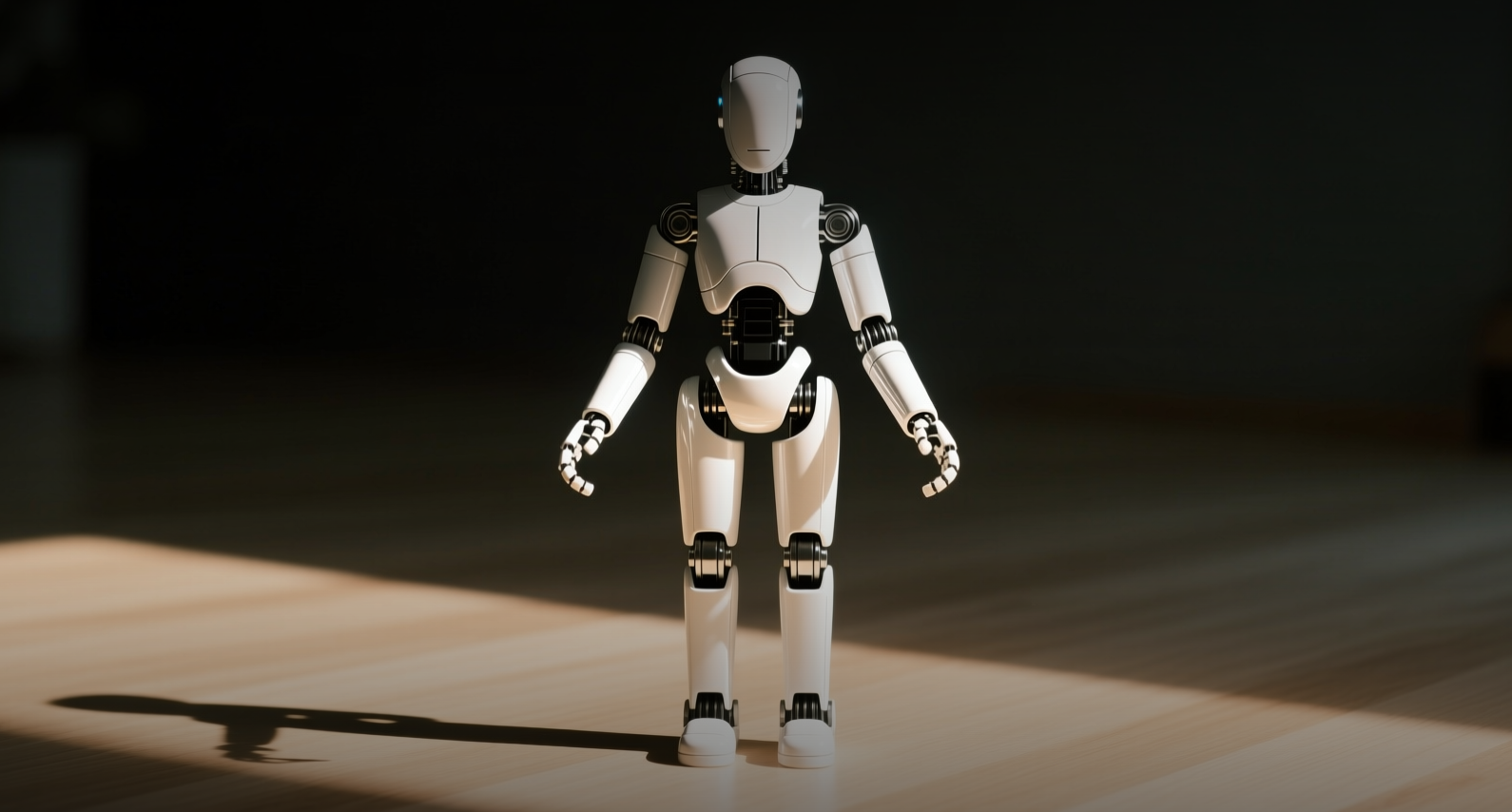
BYD will unveil a physically operable humanoid robot prototype at its DiSpace venue in early August, marking the EV giant's first public foray into embodied AI.
BYD's entry into humanoid robotics pits the world's largest EV maker against Tesla's Optimus and a growing roster of Chinese automakers, as the lines between automotive AI and general-purpose robotics converge on shared technology.
"We plan to introduce 2 to 3 robots into each store to handle product explanations and set the atmosphere," Stella Li, senior vice president at BYD, said last month, adding that robot sales consultants could become commercially available within one to two years.
The prototype, developed under BYD's 15th Business Division since late 2024 under the codename "Yao Shun Yu," will appear at DiSpace, the company's offline science education and experience venue. A teaser poster carried the slogan "a new friend wants to meet you in early August." BYD already operates Ubitech robots inside its factories for unmanned vehicle coordination, giving it operational robotics experience before entering the customer-facing segment.
BYD shares rose 1.2% in Hong Kong trading on Monday, with short interest at 30.4% of turnover. Citi maintained a buy rating with a HK$142 price target, saying the divergence between BYD's fundamentals and share price is set to reverse. The humanoid robot push, if successful, could open a new revenue stream beyond the company's core EV business, which delivered 10,000 units of its flagship Da Tang SUV in its first month of production.
BYD is not alone in the pivot. Chinese automakers Chery, SAIC Motor, and Xpeng have all announced robotics initiatives, while Tesla has been developing its Optimus humanoid for factory use since 2022. The convergence is driven by shared technology: autonomous driving sensors, actuators, and AI models transfer directly from vehicles to humanoid platforms.
The company has emphasized that automotive AI and robotics share a common technological foundation, giving automakers a natural advantage in embodied AI development. BYD plans to build an open robot platform through both in-house production and joint development with other companies, rather than going it alone.
Robots are not expected to replace human staff entirely. BYD's strategy focuses on collaboration, with robots handling scripted product explanations and atmosphere-setting while human employees manage emotional interaction and complex customer needs. The company has not disclosed pricing or a commercial launch date beyond the one-to-two-year timeline outlined by Li.
For investors, the robotics push adds a growth narrative to BYD's story at a time when its core EV business faces intensifying competition and margin pressure. The company's battery installations reached 14.11 GWh in June 2026, representing an 18.5% market share, according to CNRB data. A successful robotics business could command higher margins than automotive manufacturing, though material revenue contribution remains years away.
This article is for informational purposes only and does not constitute investment advice.