

Key Takeaways:
- BYD plans to debut its Xuanji A3 chip in a Denza model in 2027.
- The 4nm chip delivers 700-plus TOPS per unit, supporting L3 and L4 autonomy.
- BYD has invested over 100 billion yuan in chip R&D with 7,000 engineers.
Key Takeaways:
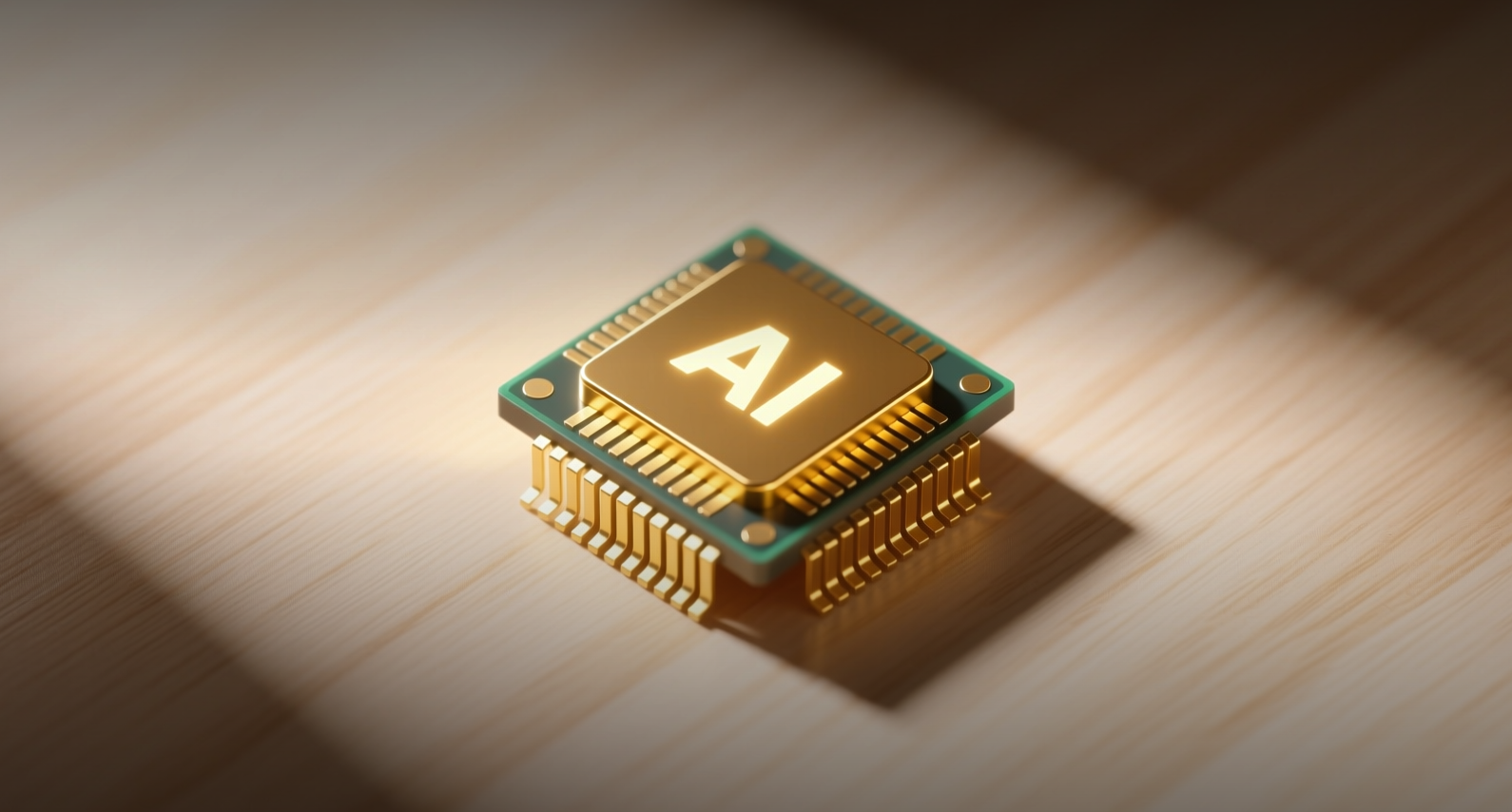
BYD's in-house Xuanji A3 chip, built on a 4nm process with 700-plus TOPS per unit, will debut in a Denza production model in 2027, challenging Nvidia's dominance in China's smart driving market.
"A smart driving chip typically needs at least a year to go from tape-out to deployment in a vehicle," an employee of an ADAS solution provider that develops its own chips said, as reported by LatePost. "The chip itself, algorithm deployment, and whole-vehicle adaptation must all be verified individually, making it difficult to sharply shorten the commercialization timeline."
The Xuanji A3, unveiled May 28, is China's first smart driving chip built on a 4nm process. A single chip delivers more than 700 TOPS of computing power, while three chips working together provide a combined total of over 2,100 TOPS, supporting L3 and L4 autonomous driving. BYD said the chip consumes 20% less power per unit of computing power than comparable products, and its computing power utilization improved by 100% after optimization with in-house algorithms.
Developing proprietary chips is becoming a key strategy for Chinese EV makers to build a moat in the AI era. Nio, Xpeng and Li Auto have all launched their own smart driving chips in mass-produced vehicles. BYD's chip R&D team now exceeds 7,000 people, with four R&D bases and five wafer fabs, and cumulative semiconductor R&D investment has surpassed 100 billion yuan ($14.71 billion).
BYD has been working on chips for more than two decades. The company set up its integrated circuit design department in 2002, the predecessor of BYD Semiconductor. In 2008, it acquired Ningbo Zhongwei Semiconductor, entering the IGBT field, and has since achieved self-development and self-production in power semiconductors, MCUs and power management.
Still, vertical integration in intelligence is far more complex than in electrification, LatePost noted. Power semiconductors mainly serve electric drive and energy conversion, while ADAS chips must evolve in tandem with algorithm models, sensor solutions and domain controllers. This complexity is one reason BYD moved its driving chip business into its new technology institute in the first half of 2024, integrating two smart driving teams.
Beyond self-development, BYD has long used external solutions. Suppliers for its God's Eye smart driving system include Momenta and Huawei. When God's Eye was launched last February, BYD's driving engineers already exceeded 5,000.
BYD shares trade at about 21 times forward earnings. The in-house chip strategy could reduce BYD's reliance on third-party suppliers such as Nvidia and Qualcomm for smart driving compute, potentially saving hundreds of millions of dollars annually in procurement costs as the company scales autonomous driving across its brands. The 2027 timeline provides medium-term catalyst visibility, though the chip's real-world performance against Nvidia's Drive Thor platform — expected to deliver 2,000 TOPS on a single chip — remains unverified.
This article is for informational purposes only and does not constitute investment advice.
