

Key Takeaways: Biotech's 85% rally is running on a scarcity premium that Chinese fast-follower drugmakers are eroding.
Key Takeaways: Biotech's 85% rally is running on a scarcity premium that Chinese fast-follower drugmakers are eroding.
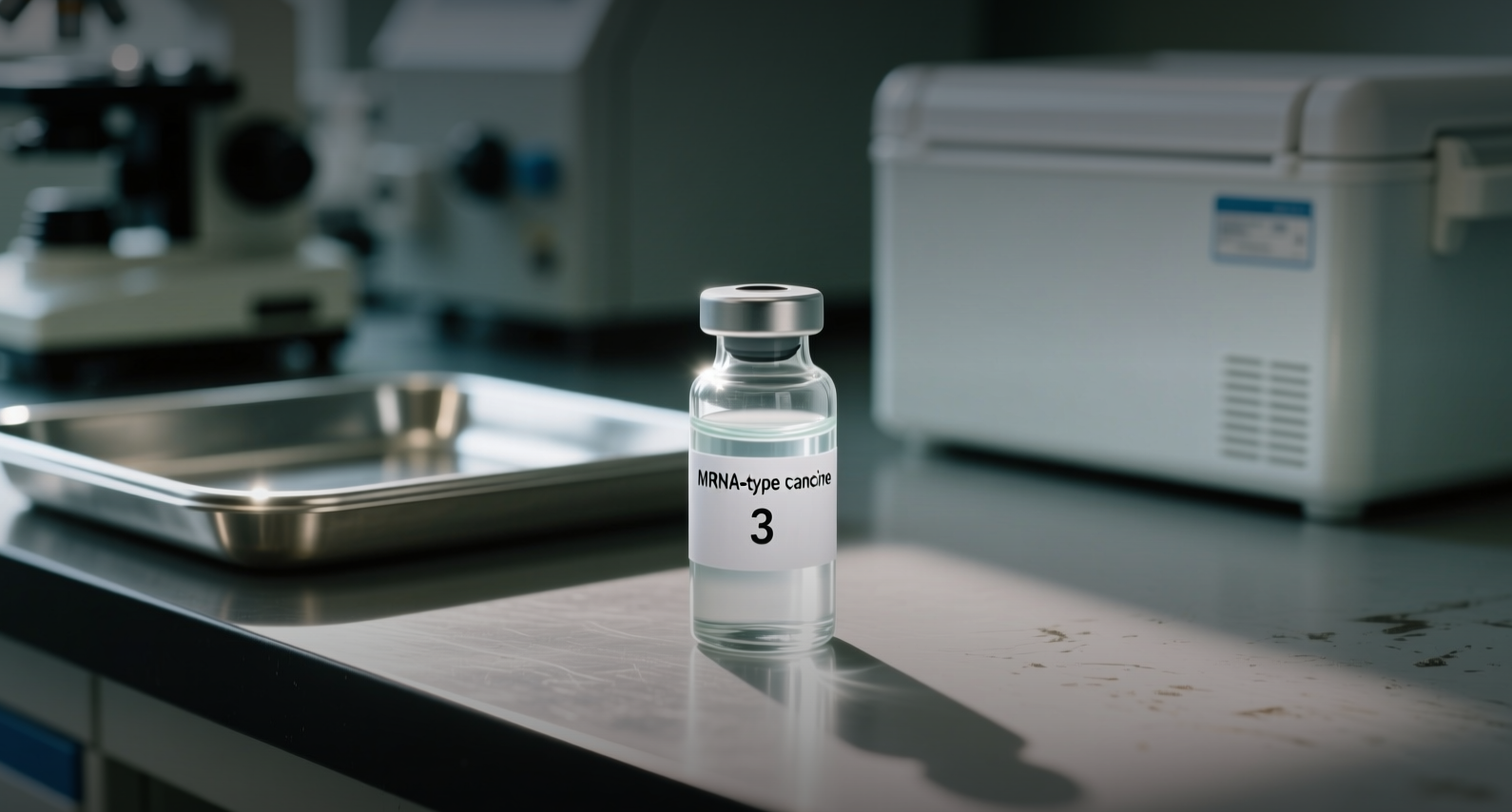
The S&P Biotech ETF has surged 85% over the past year, but Chinese fast-follower drugmakers are eroding the scarcity premium behind the rally.
"As soon as a company shows some promising data, a very similar drug is going to be out there and move really fast," said Kosta Kleyman, healthcare portfolio manager at Seligman Investments.
Moderna more than doubled in a single session after its mRNA cancer vaccine, developed with Merck, cleared a late-stage melanoma trial. Revolution Medicines, up nearly 500% over the past year with a market value approaching $50 billion, won FDA approval this week for Rasonque, a pancreatic cancer drug. A Chinese biotech built its own oral version a few years behind, and San Diego-based Erasca licensed the global rights.
If scarcity disappears, valuations will have to adjust. Wall Street sees Moderna's vaccine sales topping $1 billion by 2030 and $3 billion by 2035, but Chinese rivals can now build a credible competitor to a validated mechanism, run early trials faster and cheaper, and license the result to a Western investor within a few years.
The Moderna Breakthrough
The vaccine, known as intismeran autogene, trains the immune system to attack cancer cells by targeting mutations unique to each patient's tumor. In a trial of more than 1,000 patients with localized melanoma, the vaccine kept tumors from coming back or spreading. Earlier Phase 2 data showed a 49% reduction in the risk of recurrence or death and a 59% reduction in the risk of distant metastasis when combined with Keytruda versus Keytruda alone.
Moderna's shares, which had fallen around 90% from their COVID peak, are up more than 130% since the results were announced. The company reported a $782 million net loss in Q2 as revenue rose just 2% to $145 million, and ended June with $6.9 billion in cash. Merck, which paid $200 million upfront in 2016 and another $250 million in 2022, faces Keytruda's patent expiration later this decade. The rally also lifted sequencing specialists Illumina and Pacific Biosciences, whose technology identifies the tumor mutations the vaccine targets, and BioNTech, which gained around 22% as investors reassessed personalized cancer vaccines.
China's Fast-Follower Machine
For decades, U.S. and Western companies enjoyed something close to a monopoly on breakthrough science, locking up technology with patents and clinical trials for a moat lasting several years. That runway is shortening. Chinese companies, working under a different system, are churning out fast-follower drugs that engineer a chemically distinct molecule targeting the same validated mechanism.
Revolution Medicines' Rasonque approval marks a milestone for a tumor type that can often be a death sentence, and for now the company has the field largely to itself. But the second act is already visible: Erasca's drug produced its first human data only this year, and RevMed is threatening patent litigation. The gap will shrink for newer technologies.
In Washington, the matter is being framed in national-security terms, leading to a growing push to block U.S. investment from flowing into Chinese biotech. Kleyman's advice to companies: stay stealthy longer, with biotechs going dark to keep rivals from copying their work and racing it into human trials.
This article is for informational purposes only and does not constitute investment advice.
