
Key Takeaways: Baltimore's vacant homes, long unsellable, now draw bidding wars as buyers priced out of other East Coast markets chase cheap inventory.
Key Takeaways: Baltimore's vacant homes, long unsellable, now draw bidding wars as buyers priced out of other East Coast markets chase cheap inventory.
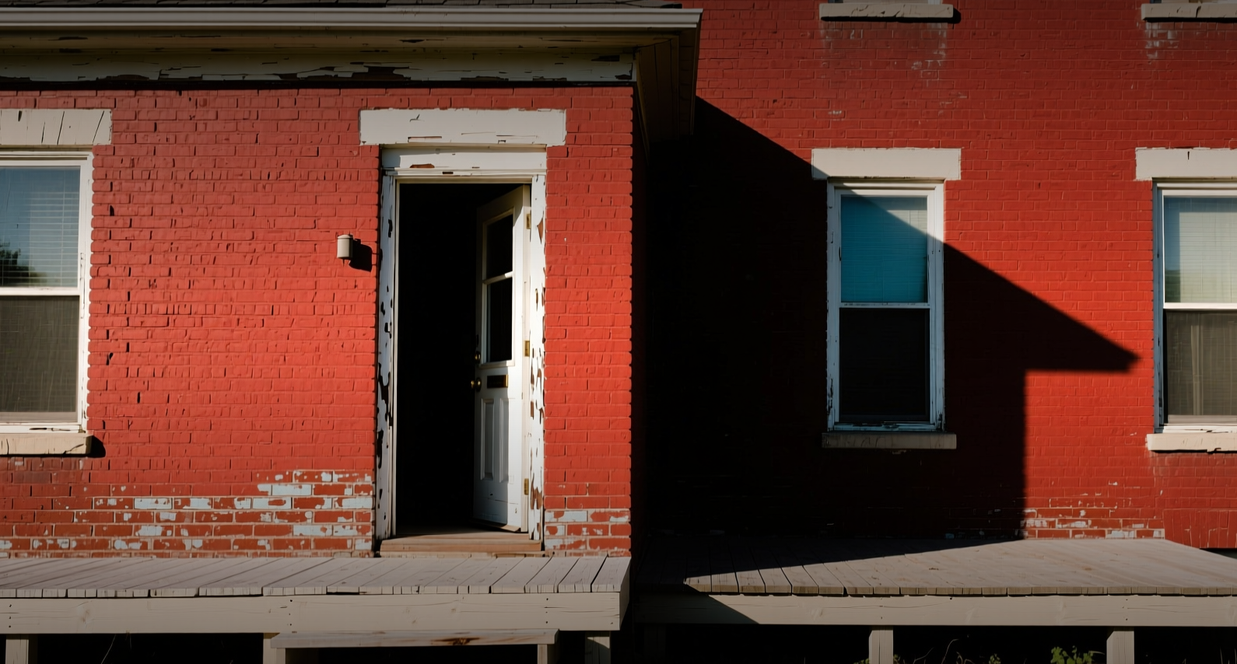
Baltimore's vacant homes, once unsellable, now draw bidding wars as buyers priced out of other East Coast markets chase inventory that has fallen below 12,000 from about 16,000 a decade ago.
"Vacant housing was everywhere," Baltimore Mayor Brandon Scott said. "When people see a bunch of vacants, no one wants to live there. No one wants to invest there."
The city and state have committed $3 billion to eliminate vacancy by 2038, offering subsidies to nonprofit developers, home buyers, and repair grants to current owners. Baltimore's median home price of $235,333 sits well below the national median of $381,333, according to Zillow.
The turnaround marks one of the most improbable reversals in Baltimore's history, but progress is uneven — Carrollton Ridge still holds about 750 vacant homes, 40 more than a decade ago, while speculators threaten to drag recovering blocks back down.
Chris Waldron, a plumber and part-time property investor, reluctantly raised his auction card to $45,000 after competitors doubled what he wanted to pay for a boarded-up row home. He plans to spend $130,000 and five months fixing up the property, then sell it for more than $300,000. "What did I get myself into?" he asked on his first visit, finding kitchen equipment, furniture, clothes, and wooden planks with nails pointing upward coating the floor.
For decades, Baltimore's vacancy crisis persisted because rehabilitation costs exceeded the resale value of finished homes, a cycle that depressed surrounding property values and deterred investment. Pandemic-era low interest rates initially drew capital into residential renovation projects, and demand continued even after rates rose as home prices climbed elsewhere. People from Washington, D.C., and surrounding suburbs have opted for Baltimore as a more affordable alternative, along with transplants from high-cost markets like Los Angeles. Alex Queen, a former Los Angeles resident, moved back to her native Baltimore after losing bidding war after bidding war for homes in California.
Baltimore used to address vacancy on a citywide basis, sprinkling funds across neighborhoods. Public officials and nonprofit developers now take a "whole-blocks" approach, gaining control of as many properties on a block as possible and rehabilitating them all at once, adding community gardens and streetlights. That has turned a vicious cycle into a virtuous one, where completed blocks draw residents and businesses that support nearby rehabs.
The strategy has been most successful in neighborhoods with anchor assets. In East Baltimore's Johnston Square, nonprofit developer ReBUILD Metro has halved the number of vacant homes in recent years. The neighborhood sits close to downtown, Johns Hopkins Hospital, and subway, light-rail, and train stations. Ella Miller and Alex Kovach bought a home there, with Miller working at Johns Hopkins. "Johnston Square is at the perfect location," Kovach said.
The concentrated investment strategy means some neighborhoods most in need of attention have received little. Carrollton Ridge in southwest Baltimore, historically among the city's highest homicide rates, still has about 750 vacant homes, 40 more than a decade ago. "It's not getting any investment when it comes to vacant housing," said Derwin Hannah, a community leader. "You're looking at a community with nothing."
On a recent afternoon, blocks of crumbling shells charred from frequent fires played host to an open-air drug market, with trees growing through fallen roofs and red diamonds indicating collapse risk. Even in neighborhoods receiving investment, continued progress could become more difficult. Speculators are buying shells cheap and waiting for home values to rise, said Bree Jones, founder of nonprofit developer Parity Homes. Last year, New York real-estate investors were alleged to have committed fraud in receiving loans to acquire hundreds of Baltimore vacant properties; many mortgages defaulted, creating a foreclosure crisis that threatened to drag blocks back down.
Still, residents in transformed neighborhoods report a new feeling. Regina Hammond, a Johnston Square resident of more than four decades, said a community garden has replaced a drug market and a library stands where an unofficial dumping ground once accumulated milk crates. "There was nothing but rows and rows of boarded-up houses," Hammond said. "Now it's a whole different story."
The economics that once made Baltimore's vacancy intractable have flipped: with national median prices at $381,333, a $45,000 purchase plus $130,000 in renovations now pencils out against a $300,000 resale. Whether the recovery broadens beyond select neighborhoods will depend on whether investment follows demand into areas like Carrollton Ridge — and whether the city can keep speculators from undoing the gains.
This article is for informational purposes only and does not constitute investment advice.
