John Ternus took over as Apple's chief executive Sept. 1 with a $58 million package and a harder task than his predecessor faced: finding a growth engine beyond the iPhone at a company worth $5 trillion. The 51-year-old hardware veteran inherits a business that added $4.65 trillion in market value during Tim Cook's 15-year tenure, yet enters office with Apple widely seen as trailing rivals in the AI race.
Cook, who stepped down at 65 to become executive chairman, called Ternus a leader with "an engineer's mind, an innovator's soul, and a heart for leadership grounded in integrity and honor." Ternus, who joined Apple's product design team in 2001 and spent 25 years inside its hardware organization, said Cook had been his mentor — a signal that the succession was planned, not forced.
The compensation disclosed in Apple's Sept. 1 SEC filing frames the stakes. Cook collected $2.397 billion in total pay across the 15 fiscal years he ran the company, with roughly $2.22 billion of that from stock awards that vested at market value — about 93 cents of every dollar. His new chairman package drops to $47 million, down from $74 million in 2025, with salary cut to $2 million from $3 million and equity trimmed to $45 million. Ternus receives a $3 million salary plus $55 million in annual stock, though 75 percent of his award is tied to how Apple performs against peers, versus half of Cook's — a structure Apple adopted after shareholders voted down a richer 2021 plan with just 64 percent support.
The AI Gap Ternus Must Close
The transition lands Apple at a strategic inflection. Cook took over in 2011 from a dying Steve Jobs with the company valued near $350 billion and questions about whether it could function without its founder; Ternus takes over a machine with more than 2.5 billion active devices and annual revenue above $400 billion, but one that has not shipped a category-defining product since the Apple Watch and has been slower than Microsoft, Alphabet and Nvidia to monetize generative AI. Apple's market value briefly topped Nvidia's to reclaim the world's most valuable company title before the handover, leaving little room for a stumble.
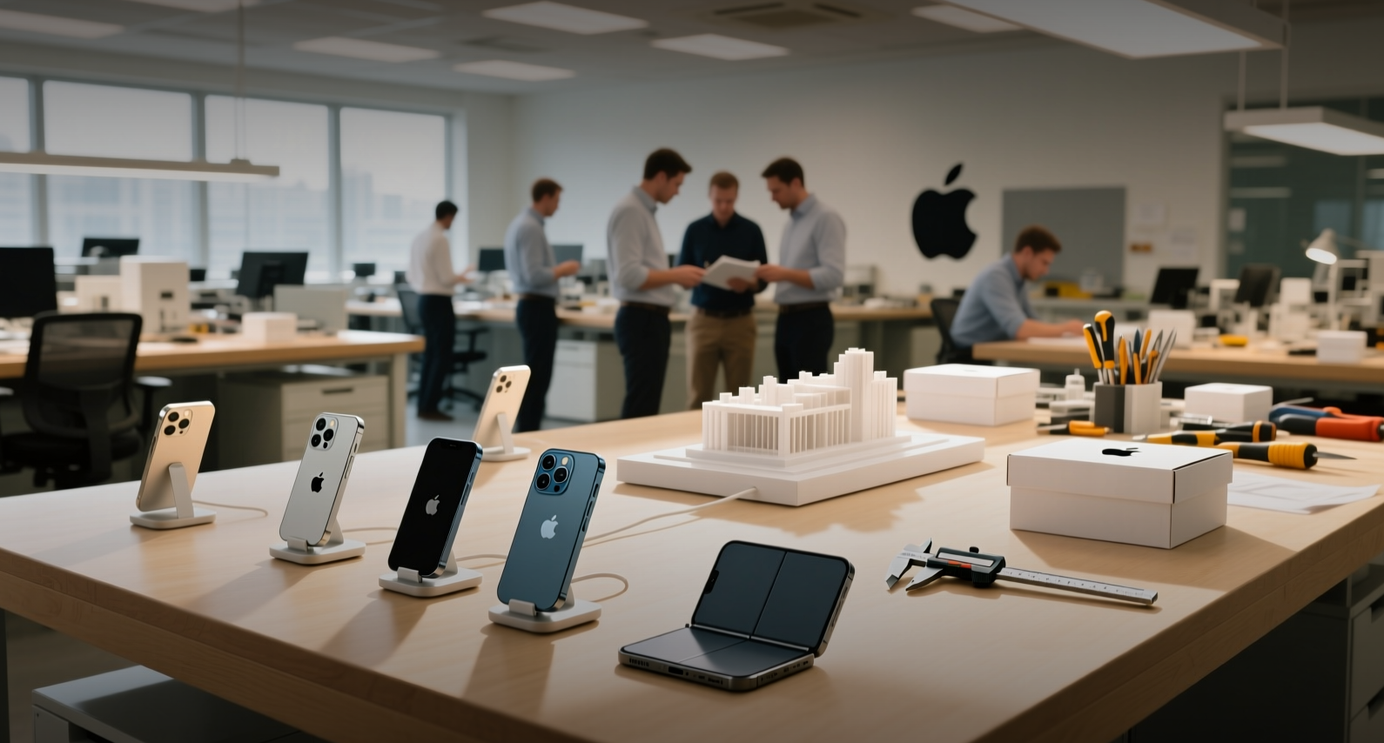
Ternus's first test comes Sept. 9, when Apple is expected to unveil the iPhone 18 Pro and its first foldable, the iPhone Ultra — products Cook's team planned before the transition. Under Ternus, Apple is also preparing to revamp its App Store strategy to squeeze more recurring revenue from services, a push that contributed to Phil Schiller's exit from the company after he objected, according to a Bloomberg report. The move risks deepening friction with third-party developers already resentful of App Store commission rates.
A Successor Still Working in Cook's Shadow
The generational contrast is sharp. Cook, a small-town Alabama native with an Auburn undergraduate degree and a Duke MBA, built his career on supply chains, inventory and cost — the operational details Jobs dismissed. Ternus, a California-born University of Pennsylvania graduate, is a product engineer by training who rose through the design ranks that produced the M-series chips and the Vision Pro. Both took the top job near age 50, but their problems are inverted: Cook's hardest challenge was that Jobs was gone, while Ternus's is that Cook is still in the building.
Cook retains considerable influence as executive chairman, focused on high-stakes relationships with the White House and the Chinese government, trade policy and semiconductor supply constraints. His $47 million package — down roughly 20 percent from his final CEO year — reflects a role that remains central even as the title changes. Apple's board, which set Ternus's award at $5 million more than Cook's final CEO equity grant, is effectively betting that the hardware engineer can do for AI what Cook did for scale. Apple shares, which have compounded roughly 1,300 percent since 2011, now trade on whether Ternus can justify that premium with a product cycle that moves beyond the iPhone.
This article is for informational purposes only and does not constitute investment advice.