

Apple unveiled the iPhone 18 Pro and Pro Max on Sept. 9 with the 2nm A20 Pro chip, 32 neural-engine cores for on-device AI, a variable-aperture 48MP camera and record battery life, as it faces a $100 price increase and memory supply constraints.
Apple unveiled the iPhone 18 Pro and Pro Max on Sept. 9 with the 2nm A20 Pro chip, 32 neural-engine cores for on-device AI, a variable-aperture 48MP camera and record battery life, as it faces a $100 price increase and memory supply constraints.
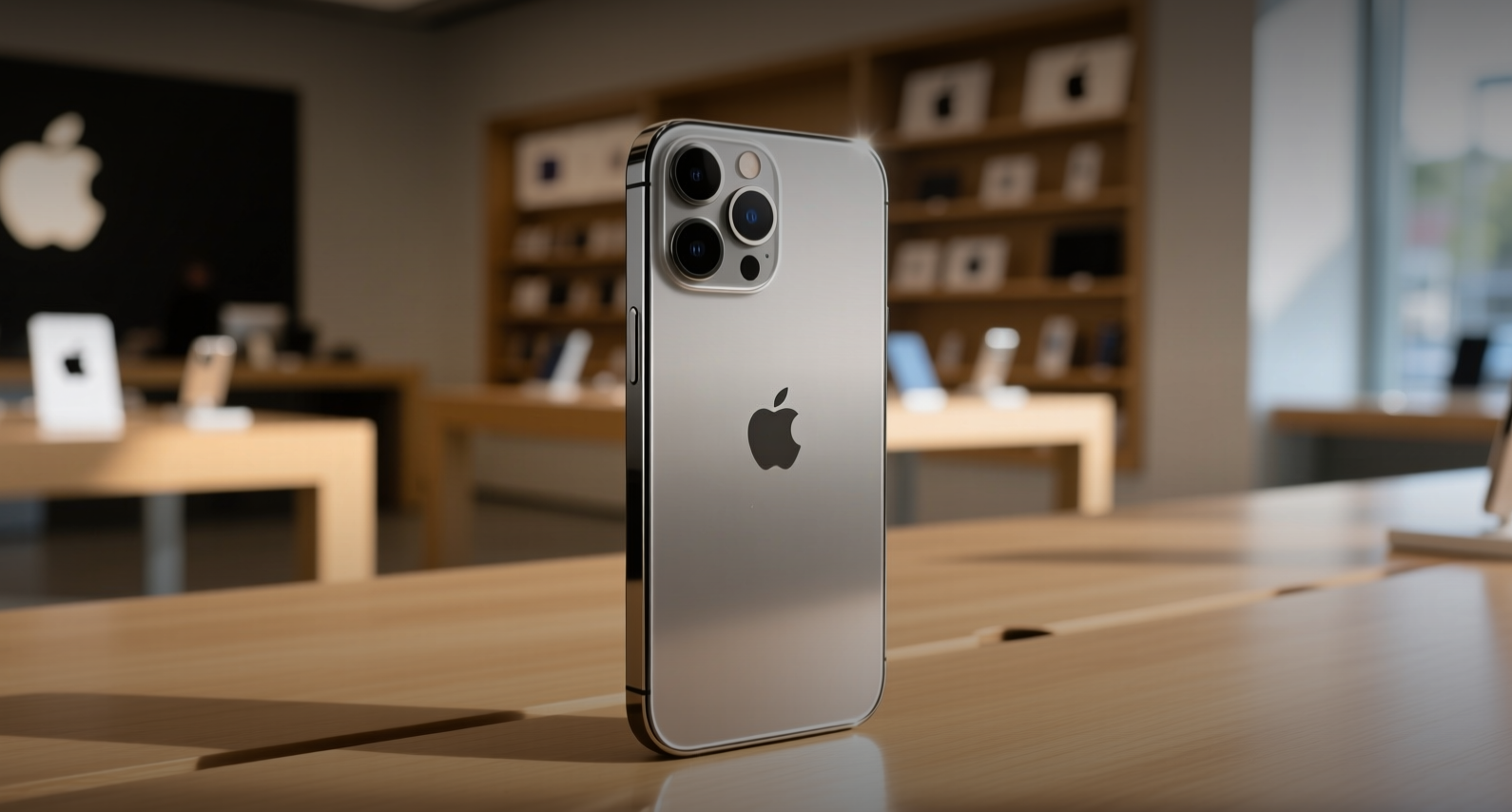
Apple's A20 Pro, built on TSMC's 2nm process, brings desktop-class CPU cores and 32 neural-engine cores to the iPhone 18 Pro, sharpening its on-device AI edge as Samsung and Xiaomi crowd the premium tier.
"The iPhone is the best device for AI," John Ternus, chief executive officer at Apple, said at the "Surprise and Shine" event Wednesday, his first launch since succeeding Tim Cook, now executive chairman.
The A20 Pro pairs two desktop-class performance cores with four efficiency cores and a seven-core GPU, up from six in the A19 Pro that powers the iPhone 17 line. TSMC's N2 node — which packs more transistors per square millimeter to lift performance per watt — delivers up to 15 percent better performance or 30 percent lower power draw than the prior generation, the foundry has said. A 96-bit LPDDR5x memory interface, 50 percent wider than the A19 Pro's 64-bit bus, could lift graphics and local AI throughput by roughly 20 to 30 percent. Apple doubled its neural engines to 32 cores and adopted a Mac-style custom packaging to improve heat dissipation, letting the chip sustain peak performance under load.
The chip anchors a Pro lineup Apple is betting will defend its premium pricing. The iPhone 18 Pro Max posts the largest battery-life gain in iPhone history, while the 48-megapixel fusion main camera adds a variable aperture — a mechanical control over light intake long reserved for high-end professional cameras. Apple is expected to raise Pro prices by about $100, to $1,199 and $1,299, after lifting Mac and iPad prices in June on soaring memory costs.
The launch carries stakes beyond the handset. Apple's shift to 2nm gives TSMC an early marquee customer for its most advanced node, while the A20 Pro's in-house design and the debut of Apple's C2 cellular modem tighten its grip against Qualcomm, which supplied modems for prior iPhones. On-device AI, run locally through the 32 neural cores rather than in the cloud, is the pitch Apple is using to justify the higher price tag against Samsung's Galaxy flagships and Xiaomi's Leica-tuned Leitzphone.
Apple is also reshaping its release cadence to keep the spotlight on the Pro line. Only the iPhone 18 Pro, Pro Max and a new foldable iPhone Ultra arrive this month, with the standard iPhone 18 and iPhone 18e pushed to spring 2027 — the biggest shake-up to Apple's launch schedule in years, according to reports citing iOS 27 beta files that reference six unreleased handsets. The front camera steps up to 24 megapixels from 18, and brighter OLED panels are expected to exceed 3,000 nits peak brightness, matching the display arms race Samsung has driven in its own flagships.
Tim Cook warned during Apple's third-quarter earnings call that supply constraints would "increase significantly," and the company is reportedly struggling to secure enough DRAM to package the A20 Pro ahead of the September 18 availability date. Analysts including Bloomberg's Mark Gurman have flagged component costs as the reason price increases look "inevitable."
As the largest S&P 500 component, Apple's upgrade cycle moves the broader smartphone and semiconductor complex. The question for investors is whether the 2nm A20 Pro — and the AI features it unlocks — can sustain the premium volumes that justify the higher price, or whether the $100 increase and memory shortages blunt momentum into the holiday quarter.
This article is for informational purposes only and does not constitute investment advice.
