


The Philadelphia Stock Exchange Semiconductor Index has lost 25% since June 22, with AMD and Intel extending multi-day losing streaks as investors question AI spending returns and Chinese chipmaking competition intensifies.
The Philadelphia Stock Exchange Semiconductor Index has lost 25% since June 22, with AMD and Intel extending multi-day losing streaks as investors question AI spending returns and Chinese chipmaking competition intensifies.
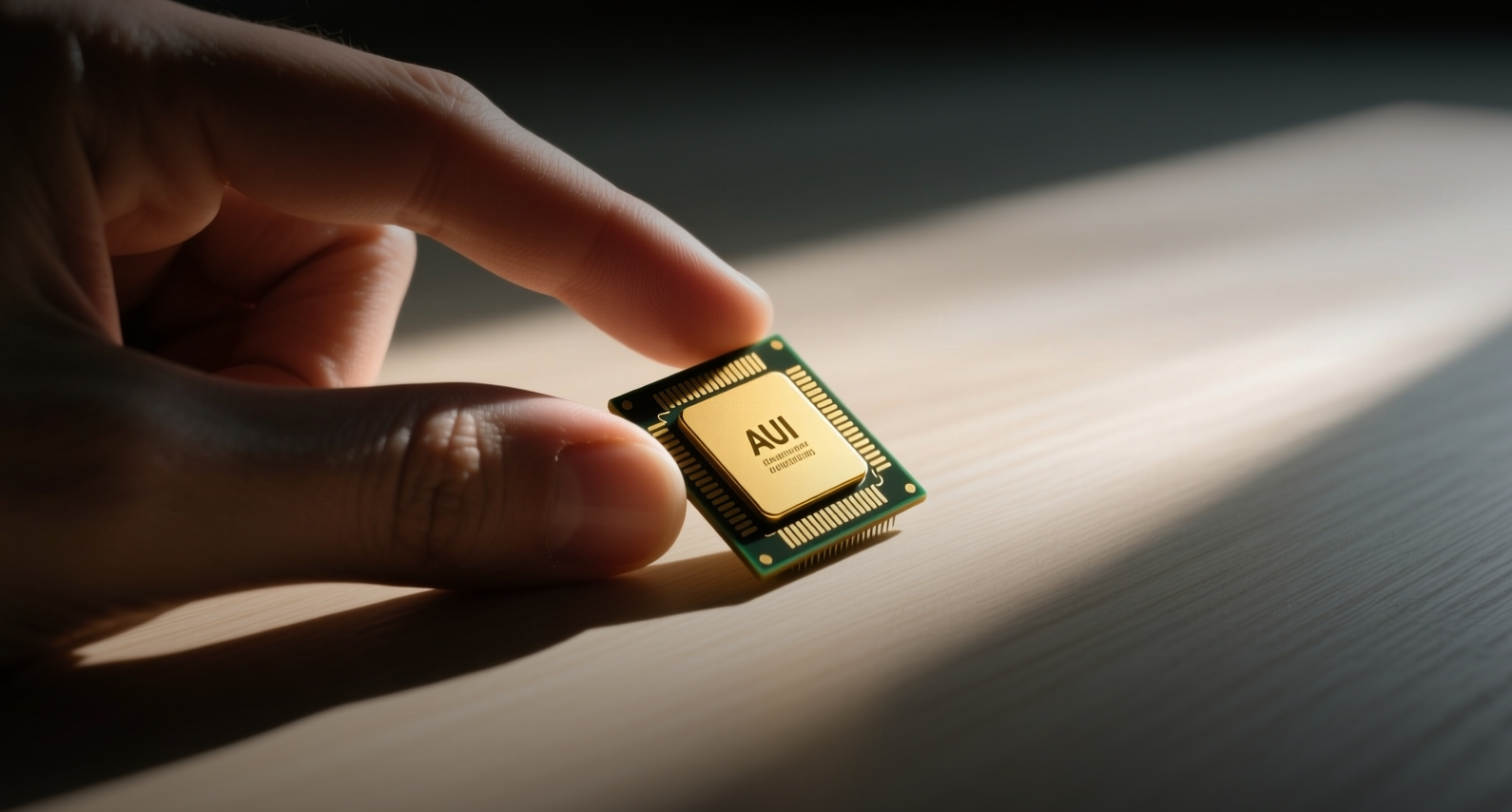
The semiconductor sell-off deepened Wednesday, with Advanced Micro Devices falling 3.3% and Intel dropping 2.2%, as investors rotated out of AI-exposed names on spending concerns and rising competition from Chinese chipmakers.
"The market is repricing the timeline for AI monetization," said Rachel Kim, semiconductor analyst at Edgen. "When the largest hyperscalers show negative free cash flow while capex keeps rising, the sell-first-ask-questions-later response is rational."
Intel's decline marked its sixth consecutive losing session, while AMD extended its slide to five straight days. The iShares Semiconductor ETF (SOXX) plunged 4.4%, bringing its weekly decline to 10% and pushing the index 25% below its June 22 record — into bear-market territory. The MSCI World Semiconductor index has fallen 16% this month, its worst monthly performance since 2022. Micron Technology dropped 5.7%, while Seagate Technology and Western Digital each fell more than 6%.
The sell-off has erased hundreds of billions in market value from the sector. Nvidia, which briefly touched $5 trillion in market cap earlier this month, has seen its shares slip 6% year-to-date as the cost of protecting its debt against default surged to a record on Monday. The Philadelphia SOX now sits at a 2.5-month low.
China Competition and AI Debt Fears Compound the Pressure
Two distinct threats are converging on the sector. A state-backed Chinese firm has begun mass producing immersion DUV lithography tools, threatening the equipment monopoly of ASML, whose shares fell 3.4% on Tuesday. CXMT, a Chinese memory-chip maker, completed its IPO, adding supply pressure to a market already grappling with oversupply concerns. South Korea's Kospi sank 11%, with Samsung Electronics and SK Hynix each falling more than 14%.
Separately, the circular-financing structure underpinning much of the AI infrastructure buildout is drawing scrutiny. Nvidia has facilitated an estimated $750 billion in infrastructure deals, and investors are questioning whether end-user demand will materialize fast enough to service that debt. Alphabet posted its first-ever negative free cash flow last week, a data point that has intensified concerns across the megacap cohort. Meta Platforms, Microsoft and Amazon report earnings this week, with capex plans set to determine the next leg for the sector.
Rotation Underway as Defensives Gain
The pain in semiconductors is part of a broader rotation out of growth and into value-oriented sectors. Healthcare, consumer staples and materials led gains on Wall Street Tuesday, while the Nasdaq 100 slipped to a 2.75-month low, just shy of correction territory. The Dow Jones Industrial Average rose 1%, boosted by Coca-Cola and Boeing earnings beats.
JPMorgan's market intelligence team said its tactical positioning monitor is "now flashing a buy-signal" for the S&P 500, citing lower bond yields, a weaker dollar and strong corporate earnings as tailwinds. But the team flagged semiconductor crowding as a risk, noting that AI spending is "no longer an automatic win" for chipmakers and infrastructure providers.
AMD shares trade at roughly 28 times forward earnings, while Intel's valuation has compressed to 18 times as the market prices in a prolonged downturn. With the Philadelphia SOX in bear territory and the Nasdaq 100 approaching a correction, the next catalyst is this week's megacap earnings. If Meta, Microsoft and Amazon signal capex restraint, the rotation out of semiconductors could accelerate. If they double down, the sell-off may prove overdone.
This article is for informational purposes only and does not constitute investment advice.
