

The CLARITY Act's Sept. 15 Senate procedural vote and the SEC's parallel blockchain infrastructure build-out are shifting XRP's regulatory debate from securities litigation toward market-structure integration.
The CLARITY Act's Sept. 15 Senate procedural vote and the SEC's parallel blockchain infrastructure build-out are shifting XRP's regulatory debate from securities litigation toward market-structure integration.
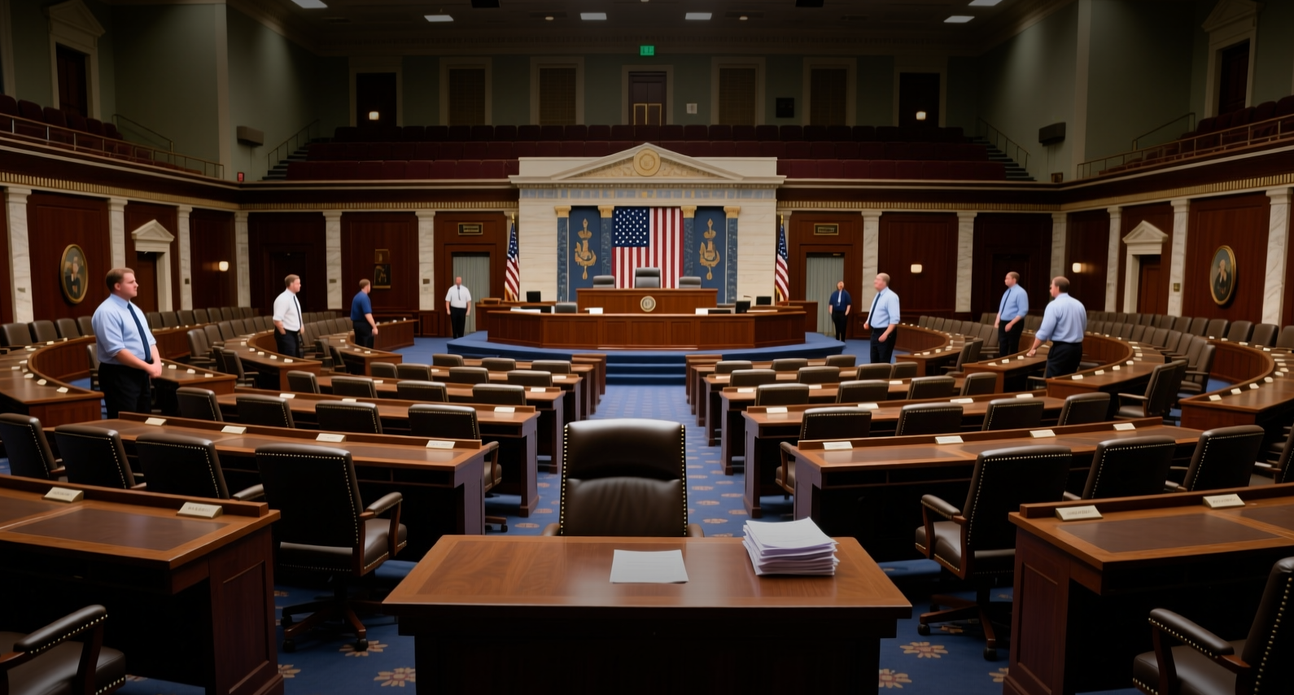
The CLARITY Act faces a Sept. 15 Senate procedural vote that could determine whether XRP's regulatory status moves from securities litigation into a legislative market-structure framework, as the SEC simultaneously builds blockchain trading infrastructure.
Industry leaders at the Wyoming Blockchain Symposium in Jackson Hole expressed resignation about the bill's chances. "Leading into the midterms, you don't often pass legislation of this magnitude," John Darsie, CEO of SALT, said.
The Senate adjourned for its August recess without voting on the bill. Senate Majority Leader John Thune has scheduled the procedural vote for Sept. 15, after lawmakers return. Unresolved issues include stablecoin rewards and ethics provisions tied to President Trump and his family's crypto interests. Sen. Ruben Gallego, one of two Democrats who voted to advance the bill out of the Senate Banking Committee, has been working on a bipartisan compromise regarding ethics language.
If CLARITY dies, XRP's regulatory clarity would depend on SEC and CFTC rulemaking under the current administration — a framework that could shift after the 2026 midterms. Andrew Cuomo, former New York governor and OKX board member, warned that a Democratic House victory could produce years of regulatory conflict.
CLARITY vote tests $200 million industry bet
Crypto-backed political groups spent more than $200 million in the 2024 election cycle to shift Washington's position on digital assets, making the CLARITY vote a test of whether that investment translates into durable legislation. XRP's market positioning already reflects the regulatory transition: more than 550 million XRP have left Binance since late 2025, pushing the exchange's average reserve to its lowest level since February 2024. CME's share of XRP futures open interest has risen to 17 percent as the token rebounded nearly 40 percent in two weeks.
Ripple unlocked 1 billion XRP from escrow in September, leaving about 31.28 billion tokens still locked. XRP Ledger transactions per ledger surged 187.9 percent, with XRP holding above $1.35 after a 5 percent drop triggered by hawkish Federal Reserve remarks. The $1.35-$1.40 zone has emerged as a critical support level as traders weigh the legislative calendar against the SEC's infrastructure timeline.
SEC and CFTC rulemaking as the fallback
Denelle Dixon, president of the Stellar Development Foundation, argued the industry should use the next two years to build precedent through existing SEC and CFTC rules. "Whichever administration takes over, we have all of this bulletproof work that we've done to show not only is it successful, but it is advantageous for us to maintain this market structure," Dixon said.
Sunayna Tuteja, former chief innovation officer at the Federal Reserve, pointed to contingency planning between the SEC and CFTC. "Not perfect, but progress nonetheless," she said of the rulemaking path.
Andrew McCormick, head of institutional and market development at Chainlink Labs, said formal legislation matters for capital allocation. "If you're looking to deploy capital and invest, and one jurisdiction has an established framework while another jurisdiction like the U.S. may be subject to, every two to four years, rapid and extreme change — it's hard to allocate capital," McCormick said.
The Sept. 15 vote will determine whether XRP's regulatory trajectory follows a legislative path or remains dependent on agency rulemaking that could be reversed by the next administration.
This article is for informational purposes only and does not constitute investment advice.
