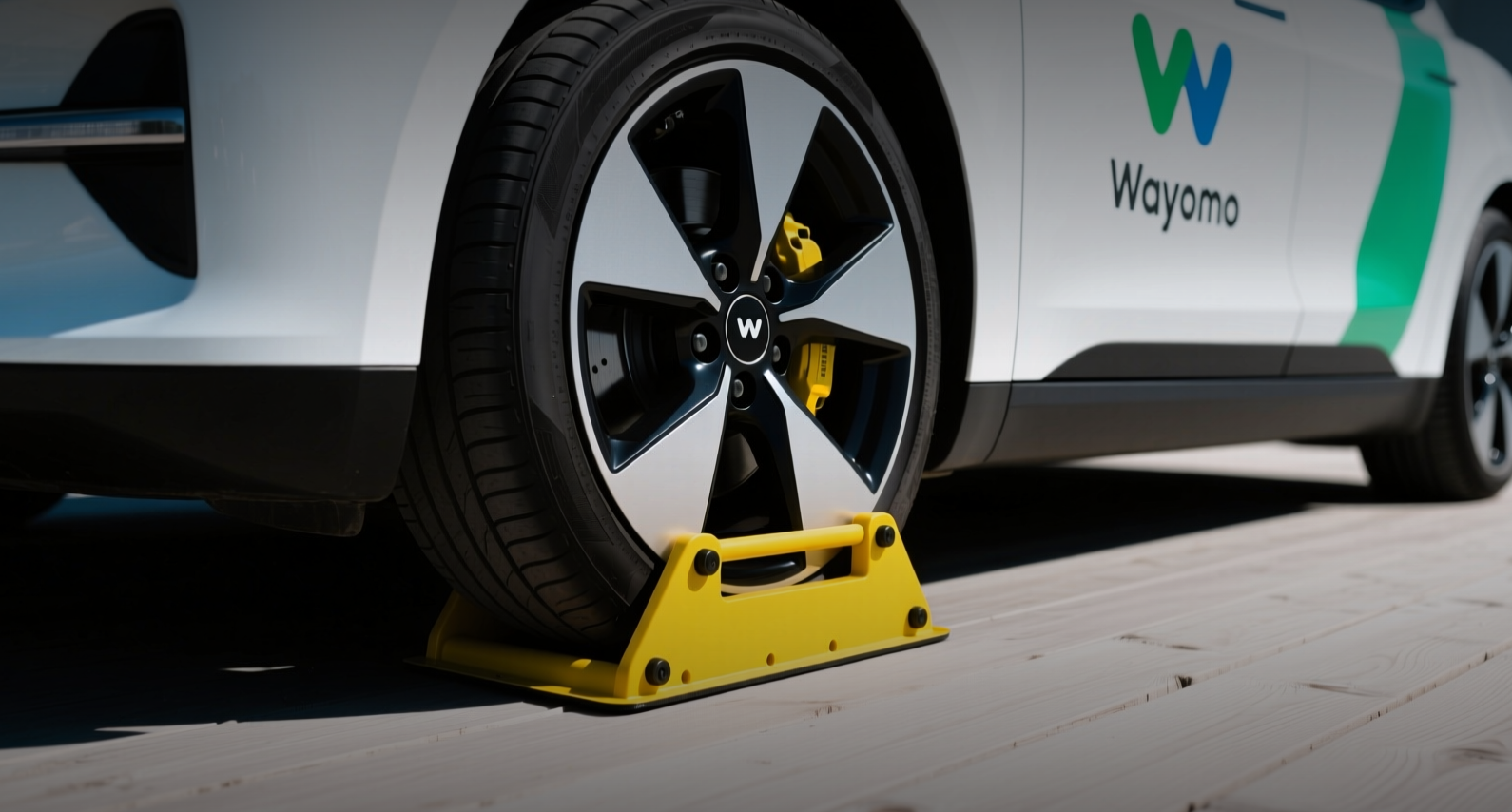
Waymo's robotaxis have accumulated $9,325 in parking citations in Austin since 2024, exposing a regulatory gap the NHTSA is now moving to close.
Waymo's self-driving fleet has racked up $9,325 in parking fines in Austin since entering the market last year, a frictional cost of scaling autonomous vehicles that the National Highway Traffic Safety Administration is now targeting with new compliance demands.
"Autonomous vehicles often fail to recognize where they can stop without obstructing traffic or emergency access," the NHTSA wrote in a July 8 letter demanding robotaxi developers enable their vehicles to better follow first responder instructions.
Of the 83 citations issued, Waymo has paid $7,433, with $1,892 outstanding as of July 15, according to documents obtained by the Wall Street Journal through an open-records request. The fines range from $20 for meter violations to $519 for parking in a disabled spot — the largest single citation, issued Sept. 11, 2024. The tally includes 64 fines for tow-away zone violations, 13 for unpaid metered parking and nine for double parking.
While $9,325 represents a fraction of the $6.3 million Austin collected in parking fines in fiscal 2025, the pattern threatens to strain local regulatory relationships as Waymo and competitors including Tesla's Robotaxi and Amazon's Zoox expand their autonomous fleets across U.S. cities. Waymo operates more than 300 robotaxis in Austin, nearly half its Texas fleet.
The NHTSA's directive targets a broader operational weakness: robotaxis struggling to navigate unpredictable situations such as emergency scenes, construction zones and road closures. The agency's letter demands that autonomous-vehicle developers enable their systems to follow instructions from police, firefighters and other first responders — a capability that remains inconsistent across the industry.
Waymo has contested some citations. Two cases involving vehicles impeding traffic, from 2024 and 2025, were dismissed through plea bargains. "Waymo reviews all received citations and may engage with the court to address and resolve them, including contesting cases on their merit if we believe they were issued erroneously," a company spokesman said. The company added it does not expect different treatment regarding ticketing.
Parking logistics create operational friction
Between trips, Waymo vehicles use public parking spaces to remain near potential passengers rather than returning to its Uber-operated depot in Austin for charging and cleaning. That strategy has led to complaints from residents — including a Waymo idling for more than five minutes in front of a church parking garage entrance during a Sunday service, preventing parishioners from entering or exiting. In another case, a vehicle stopped on the side of a busy road and partially blocked an active railroad track in January, requiring police to have it towed.
Despite the parking issues, an independent analysis by the Insurance Institute for Highway Safety found Waymo vehicles are involved in 68% fewer crashes per mile than human drivers across more than 50 million miles of driverless operation in Phoenix, San Francisco, Los Angeles and Austin. The safety record has not shielded the company from regulatory scrutiny as the technology scales from pilot programs to commercial operations in major cities.
The NHTSA has not specified a deadline for compliance with its July 8 demand, but the letter signals a shift toward more prescriptive oversight of autonomous vehicle operations at the local level. For Waymo, the cost of parking fines is negligible relative to the billions invested in autonomous driving technology — but the regulatory friction points to a larger challenge as robotaxis move from novelty to everyday urban infrastructure.
This article is for informational purposes only and does not constitute investment advice.