


Four U.S. companies including Air Products, Corning, and Axcelis have committed $2 billion to South Korea's semiconductor, advanced materials, and energy sectors, Seoul's Industry Ministry said Friday.
Four U.S. companies including Air Products, Corning, and Axcelis have committed $2 billion to South Korea's semiconductor, advanced materials, and energy sectors, Seoul's Industry Ministry said Friday.
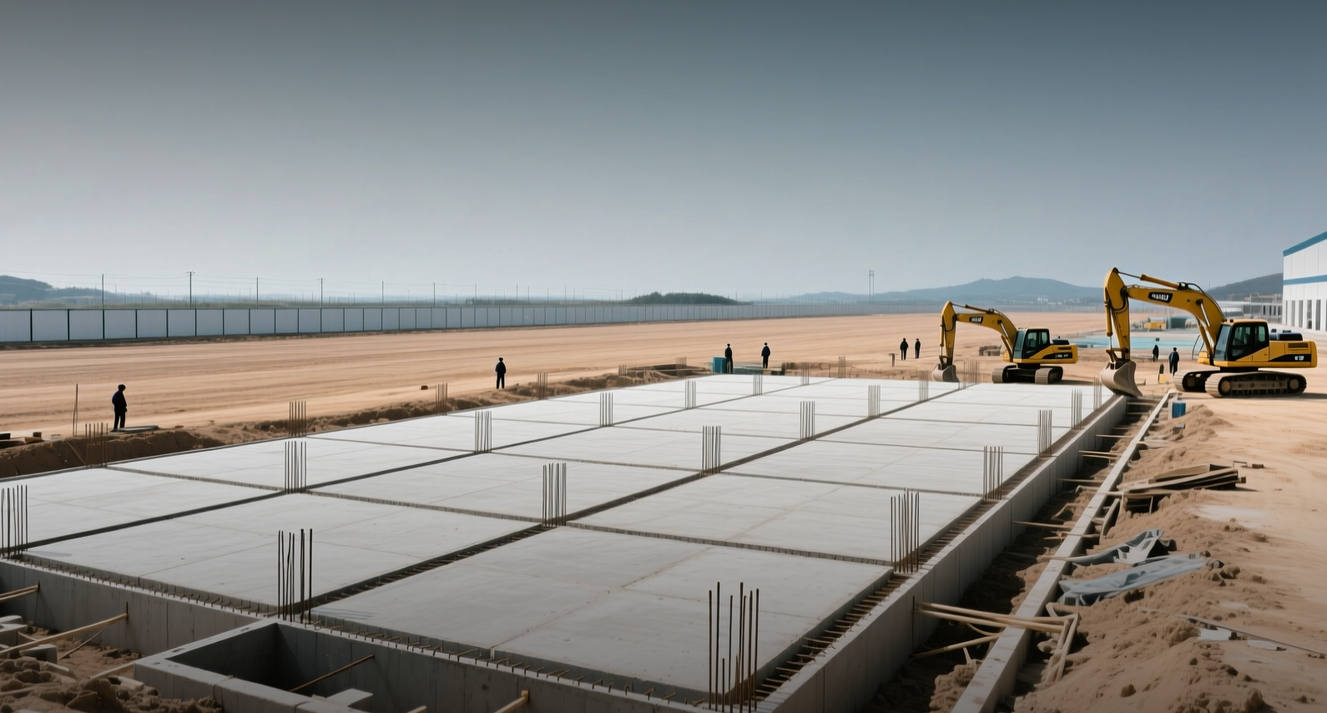
A combined $2 billion in fresh capital from four American firms will flow into South Korea's chip materials, semiconductor equipment, and offshore wind industries, Seoul's trade ministry confirmed Friday, marking one of the largest recent U.S. direct investment packages in the country's strategic sectors.
The commitments were announced at an investment declaration ceremony in the United States organized by the Ministry of Trade, Industry and Energy and KOTRA, the state trade promotion agency. The investing firms include Air Products, Corning, and Axcelis Technologies, with facilities planned for Pyeongtaek in Gyeonggi Province, according to the ministry.
The investments target segments where Washington and Seoul have coordinated policy to secure critical supply chains. The semiconductor portion extends a pattern of deepening U.S.-South Korea industrial integration that has accelerated as both governments seek to reduce reliance on concentrated Asian manufacturing hubs for advanced chips and related inputs.
For South Korea, the inflows reinforce its position as a primary destination for allied semiconductor investment. The country hosts fabrication plants operated by Samsung Electronics and SK Hynix, the world's two largest memory chip makers, and has become a focal point for U.S. firms seeking proximity to advanced manufacturing capacity. The new commitments add to a pipeline of foreign direct investment that Seoul has courted through tax incentives and streamlined permitting for high-tech industrial sites.
The energy component, which includes offshore wind, aligns with South Korea's renewable energy targets and its push to attract foreign capital for clean power infrastructure. Air Products, a major industrial gas supplier, brings expertise in hydrogen and clean energy technologies that could support both semiconductor fabrication processes and South Korea's decarbonization goals.
The investment announcement carries implications for listed companies in both markets. South Korean semiconductor materials and equipment suppliers could see increased demand as U.S. firms establish local operations, while the investing U.S. companies gain strategic footholds in Asia's most advanced chip manufacturing base. The commitments also reflect continued confidence in South Korea as a manufacturing destination despite broader global trade frictions.
The timing is notable given ongoing coordination between Washington and Seoul on semiconductor policy. The United States has restricted certain advanced chip exports to China, while South Korea has balanced its alliance obligations with its substantial trade relationship with Beijing. Investments of this scale suggest the two governments are moving toward deeper integration in critical technology supply chains.
The fourth company involved in the investment package has not been identified in available reporting. The ministry's announcement did not specify a timeline for when the facilities would begin operations or the exact allocation of the $2 billion across the three sectors.
For investors, the key question is execution. Foreign direct investment commitments of this nature can take years to materialize into operational facilities, subject to permitting, financing, and market conditions. The semiconductor equipment and materials segments are particularly sensitive to the cyclical demand environment for chips, which has shown signs of recovery after a prolonged downturn.
South Korea's semiconductor exports have been a critical driver of its economic growth, and the government has made attracting foreign investment in the sector a policy priority. The country's trade ministry has actively courted U.S. and European firms with investment incentives, positioning South Korea as a reliable manufacturing partner for allied nations seeking supply chain diversification.
This article is for informational purposes only and does not constitute investment advice.
