
Key Takeaways:
- Unitree Robotics to raise 4.2 billion yuan in Shanghai STAR Market IPO
- Subscription opens Aug. 10 after fastest CSRC sign-off in market history
- IPO comes weeks after US banned imports of Chinese-made humanoid robots
Key Takeaways:
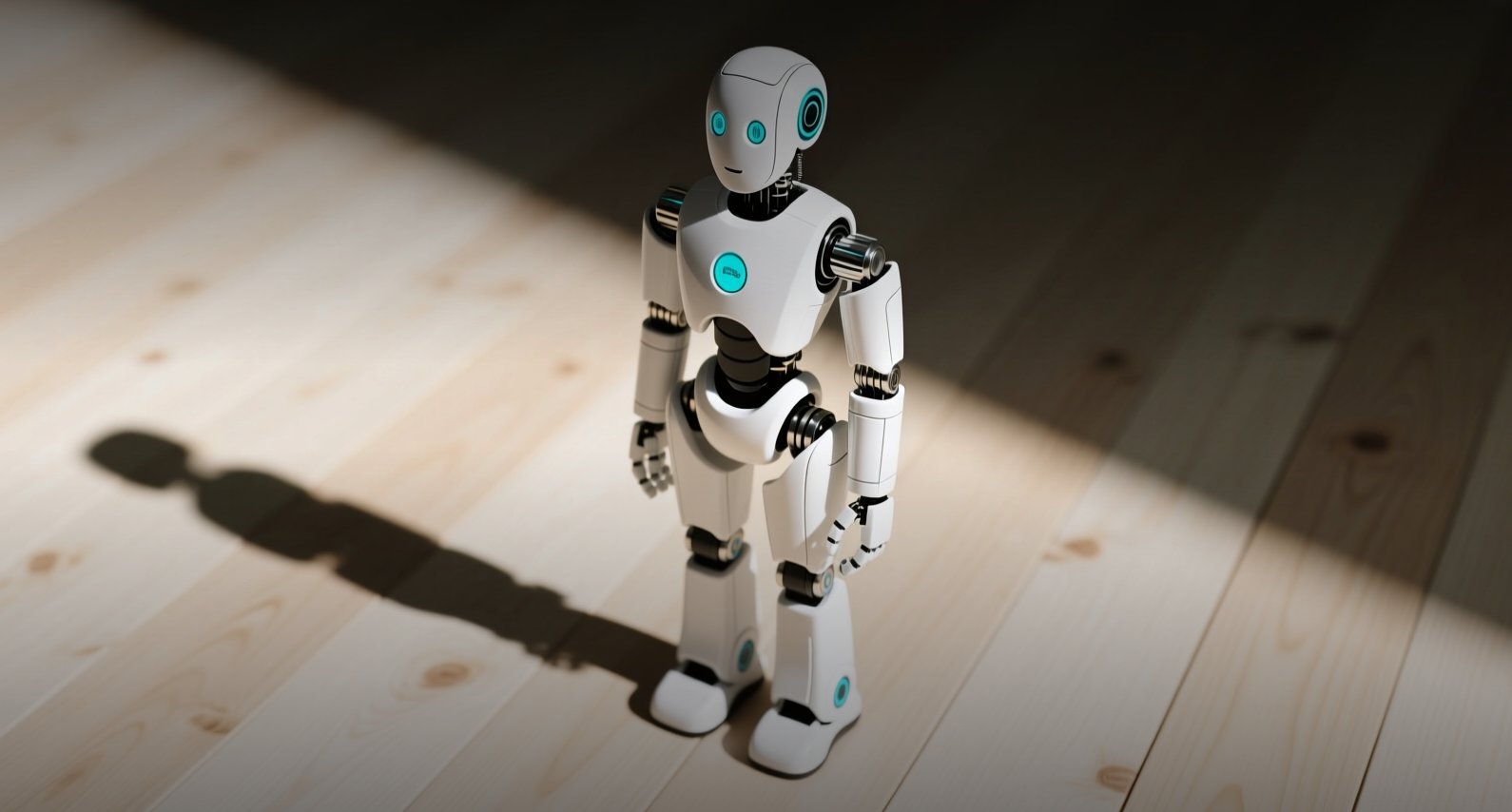
Unitree Robotics, the Chinese humanoid robot maker that landed on the cover of Time magazine this month, plans to raise 4.2 billion yuan ($618 million) in a Shanghai IPO that tests investor appetite for a company at the center of US-China tech tensions.
"The speed of this listing — 73 days from application to approval — shows Beijing's willingness to back strategic industries with capital market access," said Tom Brennan, an IPO and M&A analyst at Edgen. "But the US import ban adds a layer of geopolitical risk that retail investors on the STAR Market have not had to price before."
The company is offering 40.4 million shares, or 10% of its post-IPO total, with preliminary pricing on Aug. 5, subscription on Aug. 10 and payment due Aug. 12. Unitree received registration approval from the China Securities Regulatory Commission in early July, the fastest sign-off in the STAR Market's history. The IPO values the company at roughly 42 billion yuan on a pre-money basis, based on the 10% dilution.
The listing comes weeks after the US Federal Communications Commission banned new imports of foreign-made humanoid and quadruped robots on national security grounds, a move aimed squarely at Chinese manufacturers. Unitree, which shipped more than 5,500 robots in 2025 and holds over 32% of the global quadruped market, now faces a US market that is effectively closed to new sales. The question for investors is whether domestic demand and other export markets can compensate.
Unitree's journey from a startup founded by Wang Xingxing in 2016 to a Time cover story in July 2026 mirrors the rapid ascent of China's robotics industry. The company's humanoid robot revenue surged from 1.88% of total sales in 2023 to 51.78% in 2025, reflecting a broader shift as Chinese manufacturers scaled production faster than overseas rivals. Its G1 humanoid robot uses self-developed joint motors that cost 30% to 40% of comparable Western components, with a localization rate exceeding 90%. The IPO proceeds are expected to fund production expansion and research into next-generation humanoid platforms. Unitree's H2 Plus humanoid was selected by Nvidia in June as the hardware foundation for its open GR00T reference platform, a partnership that underscores the company's technical standing even as Washington restricts its market access.
Geopolitical headwinds
The US ban, announced July 28, prohibits new imports of humanoid and quadruped robots along with power inverters used in data centers and renewable energy. The FCC's Covered List now includes advanced robotic devices that can move, sense their surroundings and connect to networks — a definition that captures Unitree's entire product line. Products already approved for sale in the US can continue operating through January 2029, but new sales are blocked. China's foreign ministry accused Washington of abusing national security to suppress Chinese companies and said it would take all necessary measures to defend its businesses. The timing is notable: several Chinese humanoid makers are preparing public listings, with AgiBot planning a Hong Kong IPO next year at a valuation of up to $6.4 billion, and Leju Robotics and DEEP Robotics filing applications in Shenzhen and Shanghai.
Comparable valuations
Unitree's implied valuation of about 42 billion yuan places it among the most valuable robotics companies in China. For context, CXMT, a Chinese memory chip maker, surged 466% on its Shanghai debut earlier this week, becoming the country's most valuable listed company. Mainland retail investors have shown a willingness to pay substantial premiums for strategic tech names, even as US lawmakers debate additional restrictions. The STAR Market has become Beijing's preferred venue for funding strategic industries, from semiconductors to robotics. Unitree's IPO will test whether the enthusiasm extends to humanoid robots, a sector that Morgan Stanley forecasts could reach $15 billion in China alone by 2030.
This article is for informational purposes only and does not constitute investment advice.
