The UAE's release of billions in frozen Iranian assets eased Gulf tensions, sending oil toward $82 a barrel and lifting Bitcoin to near $63,900.
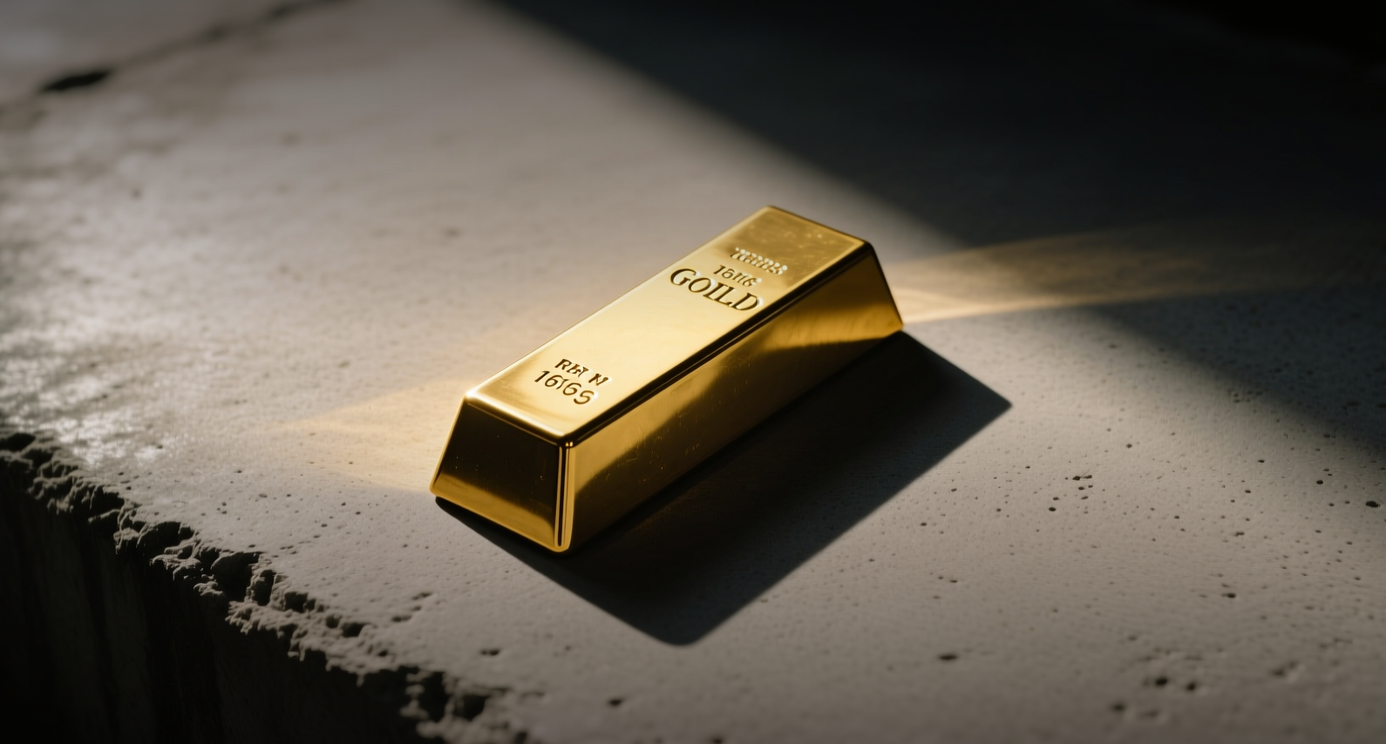
The UAE released billions of dollars in frozen Iranian assets, including 1.5 tonnes of gold, easing Gulf tensions and pushing oil toward $82 a barrel while Bitcoin rebounded to near $63,900.
"The transfers are part of an arrangement in which Iran spares the UAE from future attacks," a senior source in Tehran with knowledge of the transfers said, according to The Hormuz Letter.
The assets were flown from Abu Dhabi to Tehran's Mehrabad Airport and Payam Airport in Karaj on Aug. 11-12 aboard a Boeing 737-7KK operated by UAE Royal Jet, with each flight staying under an hour. Oil fell toward $82 a barrel, snapping a five-day advance, while Bitcoin rose 1 percent to near $63,900, with 24-hour lows and highs of $63,267 and $64,329. Trading volume climbed almost 6 percent.
The release marks the third such transfer, following a Reuters report in June that the UAE had agreed to unlock $10-20 billion, with more than $3 billion already delivered. The Strait of Hormuz handles about 21 percent of global oil trade, so any de-escalation that keeps the waterway open removes a key supply risk premium. If the UAE and US confirm the transfers, oil could extend its decline; if not, the risk premium may return.
Cross-Asset Reaction Spreads Beyond Oil
The de-escalation narrative rippled through risk assets as investors priced out a supply shock. Bitcoin's rebound to near $63,900 came after the token had dropped to its "cost of production" zone, a level historically associated with bear-market bottoms, according to Bitcoin Magazine. Polymarket data showed 26 percent odds of Bitcoin dipping below $60,000 in August, against 76 percent for no.
The move also dovetailed with softer US inflation. July's consumer price index fell to 3.4 percent for a second consecutive month, matching analyst expectations and easing immediate concerns about Federal Reserve rate hikes. That combination — easing geopolitical risk and cooling price pressures — supported the bid in digital assets even as crude weakened.
The cross-asset chain ran through the energy complex first. Brent and WTI had climbed for five straight sessions on fears that a closure of the Strait of Hormuz would choke off roughly a fifth of global seaborne crude. The UAE's accommodation removed the most immediate trigger for that premium, and the pullback in oil in turn relieved pressure on import-dependent economies across Asia, where fuel costs feed directly into inflation readings. Gold, the traditional haven in Gulf crises, also gave back some of its war-driven gains as the threat of a wider conflict faded.
The accommodation also signals a shift in Gulf diplomacy. By unlocking funds that Washington had frozen, the UAE is testing the limits of its alignment with US policy on Iran, even as the Trump administration tightens sanctions. That tension between Gulf commercial interests and American pressure is likely to shape crude pricing for weeks, with traders weighing each new signal from Abu Dhabi and Washington.
What Happens Next
The Trump administration is moving toward greater economic pressure on Iran, including expanded sanctions and a naval blockade, which could offset the UAE's conciliatory move. The last time the region escalated into the US-Iran war in June, oil spiked and Bitcoin fell; the current reversal shows how quickly the risk premium can unwind when a Gulf state signals accommodation.
Neither the UAE nor the US has confirmed the transfers, and the UAE Foreign Ministry previously denied releasing frozen Iranian funds. Iran could also extend the same arrangement to other Gulf states — Bahrain, Kuwait, Saudi Arabia, Jordan and Qatar — by auctioning off attack exemptions, according to the sources. If confirmation comes, oil could test lower levels as the Strait of Hormuz risk premium fades, while Bitcoin may hold gains above $63,000 support. Without it, the market faces renewed uncertainty over both crude supply and the durability of the crypto rebound.
This article is for informational purposes only and does not constitute investment advice.