

Amazon, Alphabet, and Microsoft are pouring $595 billion into cloud infrastructure this year, and nearly every dollar flows through Taiwan Semiconductor's foundries.
Amazon, Alphabet, and Microsoft are pouring $595 billion into cloud infrastructure this year, and nearly every dollar flows through Taiwan Semiconductor's foundries.
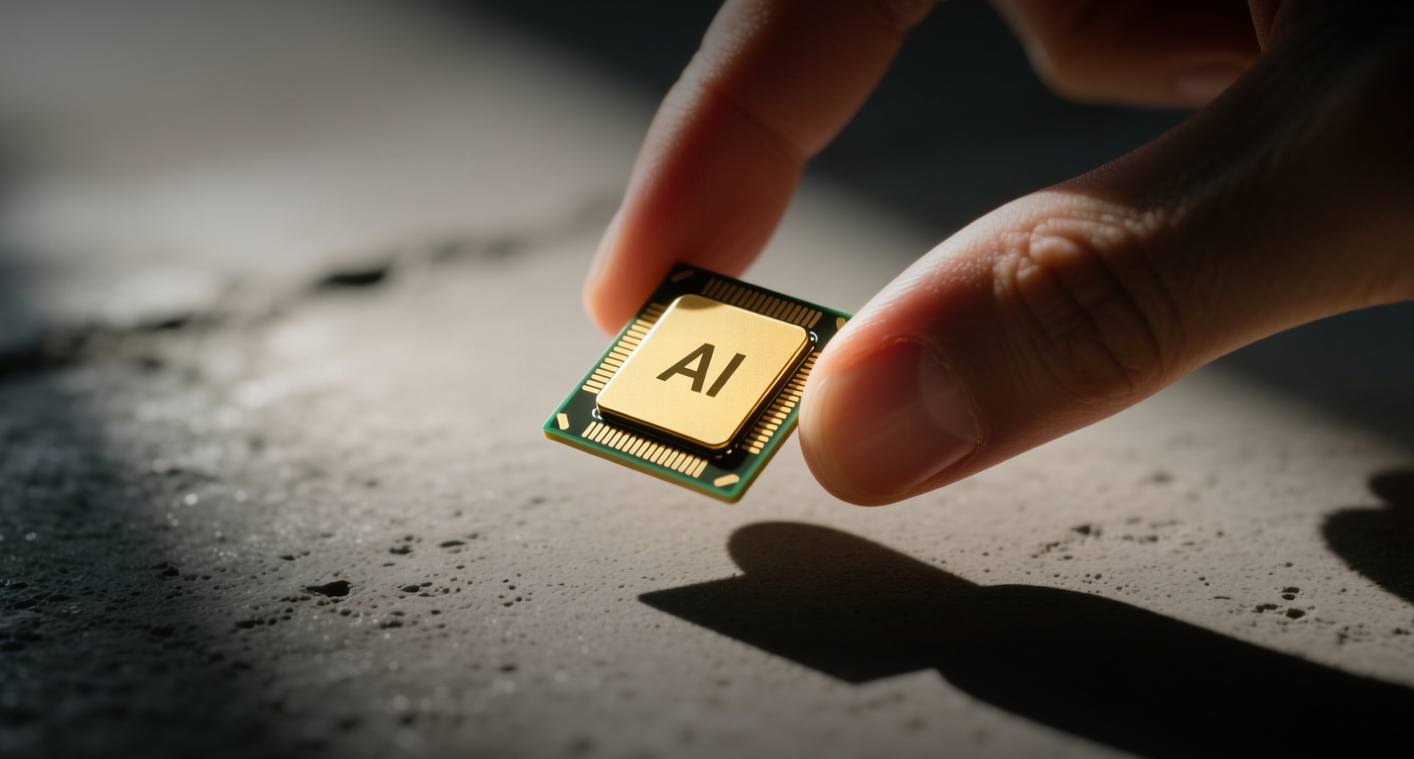
Amazon, Alphabet, and Microsoft are spending $595 billion combined on cloud infrastructure this year, and the clearest beneficiary is Taiwan Semiconductor, the only foundry with enough capacity for AI logic chips.
"There will not be enough capacity available to meet demand in 2026, and 2027 is shaping up to be the same way," Amazon CEO Andy Jassy said on the company's latest earnings call, noting that contracts for capacity that won't be available until 2028 are already appearing.
Amazon is on track to spend $220 billion, Alphabet expects about $200 billion, and Microsoft forecasts $175 billion. The spending follows explosive growth across their cloud divisions: Google Cloud revenue rose 82 percent, Azure increased 43 percent, and AWS grew 37 percent in the most recent quarter.
TSMC raised its full-year 2026 revenue guidance by more than 40 percent after strong second-quarter results and lifted its capital expenditure forecast to between $60 billion and $64 billion, plus an additional $100 billion commitment to US-based facilities. The company's shares trade around $426, roughly 10 percent below their all-time high of $479.
The logic chip is the heart of every computing device in a data center, and the industry has shifted so that most companies that design these chips don't fabricate them. Nvidia, AMD, Broadcom, and nearly every other major AI chip designer outsource manufacturing to TSMC, which operates the most advanced process nodes (the nanometer-scale manufacturing technology that determines chip performance and power efficiency).
Memory chips are essentially commoditized — there's little that sets one company's designs apart from its peers. But logic chips are where competitive advantages are built, and TSMC is the only manufacturer with sufficient capacity to meet AI computing demand. The company counts nearly every major player in the AI chip space as a client.
The scale of TSMC's moat is visible in its financials. The company reached $1 trillion in market capitalization in May 2026, and its market cap now stands at $2.2 trillion. Baillie Gifford, which has held TSMC since 1999, called the company's position a "near-monopoly" in advanced chip manufacturing, according to a Bloomberg interview with investment manager Paulina McPadden.
TSMC's reach extends beyond cloud data centers. In August, Sony Group and TSMC announced a joint venture worth approximately ¥1 trillion ($6.3 billion) to manufacture next-generation image sensors for robotics and autonomous vehicles at Sony's Koshi City fab in Kumamoto Prefecture, with commercial production targeted for 2029. The deal marks Sony's shift to a "fab-light" model, where it retains its proprietary pixel-layer manufacturing while outsourcing logic-layer production to TSMC.
The joint venture sits within Japan's broader semiconductor strategy. The Ministry of Economy, Trade and Industry committed ¥1.23 trillion ($7.79 billion) to semiconductors and AI in fiscal year 2026, nearly four times its prior allocation, with ¥387.3 billion ($2.45 billion) earmarked for physical AI applications.
For investors, the question is whether TSMC's current valuation already prices in the AI buildout. At roughly $426 per share, the stock trades about 10 percent below its all-time high of $479, and the company's raised guidance suggests the demand cycle has room to run. With cloud providers' capacity constraints extending into 2028 and beyond, TSMC's foundry output remains the bottleneck that every AI infrastructure dollar must pass through.
This article is for informational purposes only and does not constitute investment advice.
