
Tesla's unsupervised robotaxi fleet has completed more than 380,000 miles of autonomous driving without a single notable incident, the company's AI chief said.
Tesla's unsupervised robotaxi fleet has completed more than 380,000 miles of autonomous driving without a single notable incident, the company's AI chief said.
Tesla's unsupervised robotaxi fleet has completed more than 380,000 miles of autonomous driving without a single notable incident, the company's AI chief said.
Tesla's unsupervised robotaxi fleet logged more than 380,000 miles with zero notable incidents, the company's head of AI said, marking a milestone as the automaker expands its autonomous ride-hailing service into seven US metropolitan regions.
"We can't have robotaxis stuck in these Bermuda Triangles of lack of cellular connectivity," Elon Musk, Tesla's chief executive officer, said on the company's second-quarter earnings call, explaining why the Cybercab will integrate Starlink terminals for fleet management rather than passenger entertainment.
Ashok Elluswamy, Tesla's vice president of AI, said the fleet's safety record disproves critics who argued that camera-only autonomous systems require lidar or radar. Tesla has begun unsupervised operations in Orlando and Tampa, adding to existing services in Miami and three Texas cities. The company has installed annual manufacturing capacity for 125,000 Cybercabs at its Texas factory.
The safety milestone comes as Tesla invests heavily in autonomous driving and robotics. Capital expenditures rose 142 percent year over year to $5.8 billion in the second quarter, with Musk calling 2026 a "massive" investment year. Tesla shares closed at $374.01, down about 1 percent, before the earnings release.
Starlink Integration Serves Fleet Operations, Not Riders
When Tesla confirmed it would integrate Starlink V5 terminals into Cybercab vehicles, many assumed the satellite internet connection would allow passengers to stream video or work during rides. Elluswamy clarified the real purpose: constant connectivity for navigation, customer service, and fleet management. "It is still not required for safe operation of the vehicle," he said on X. "Connectivity is primarily meant for navigation, customer service and, in general, fleet management."
The distinction matters because Tesla's primary concern with robotaxi deployment is safety. Musk said on the earnings call that the company is "going as fast as humanly possible in scaling Robotaxi, but while trying to ensure that we do not harm anyone at all." He warned that a single injury could trigger regulatory clampdowns.
Cybercab Production Ramps as Robotaxi Expands
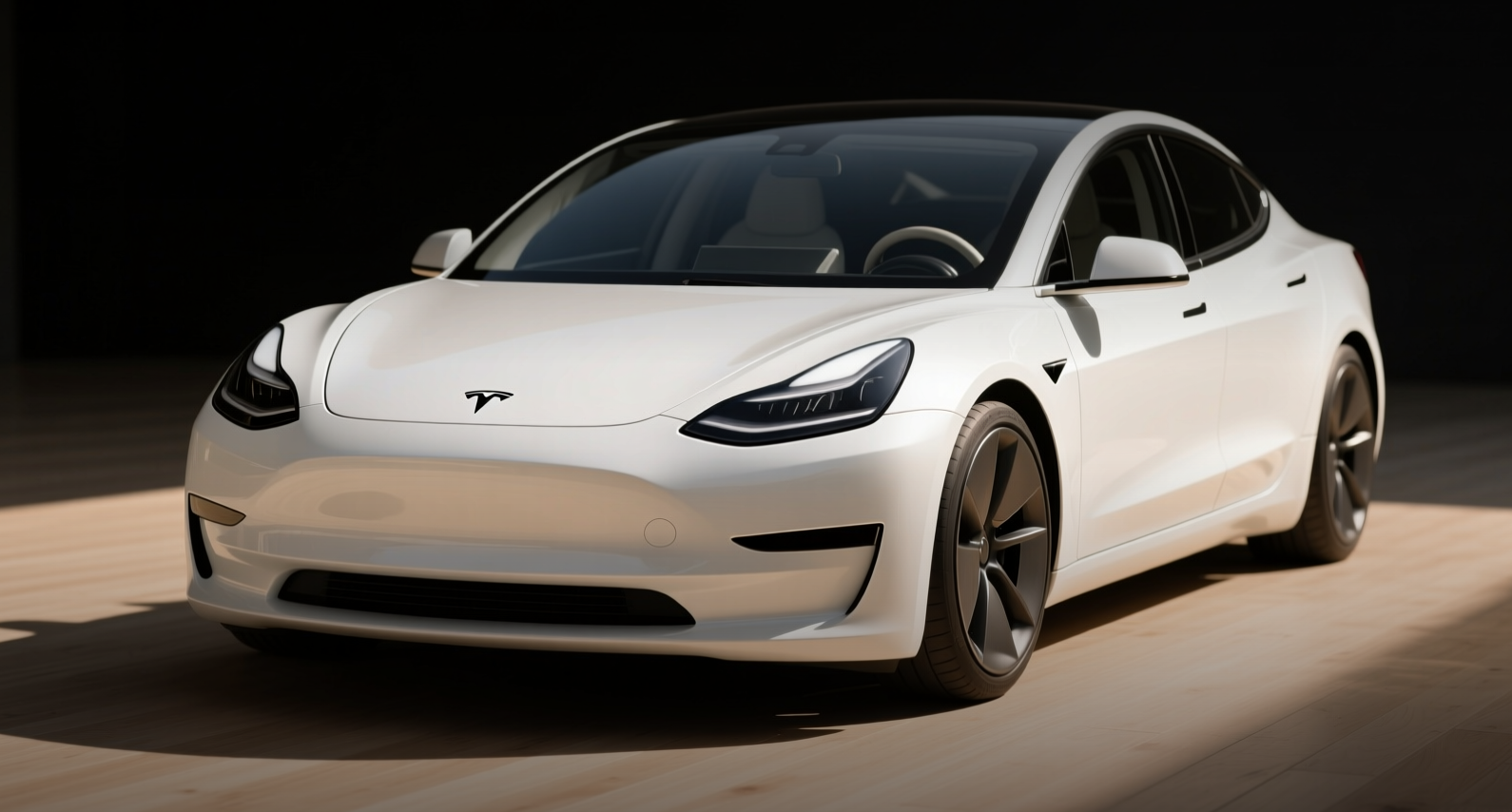
Tesla began employee testing of autonomous Cybercab rides around its Gigafactory Texas campus in July. The purpose-built robotaxi, which lacks a steering wheel and pedals, represents Tesla's bet that a dedicated vehicle designed without driver controls will achieve lower per-mile costs than retrofitting existing models. The company said it has installed annual manufacturing capacity of 125,000 Cybercabs, though current production rates remain undisclosed.
The robotaxi expansion coincides with broader progress on Tesla's Full Self-Driving software. The company reported 1.48 million active FSD subscriptions in the second quarter, a 56 percent increase from a year earlier. Over 55 percent of new North American deliveries included an FSD subscription at the time of purchase.
Investment Implications
Tesla's robotaxi progress strengthens the bull case that the company can generate high-margin recurring revenue from autonomous ride-hailing, a thesis that underpins much of its $1.2 trillion market capitalization. Cantor Fitzgerald analyst Andres Sheppard, who has a $510 price target on Tesla shares, called the robotaxi segment a "software-as-a-service, high-margin model." The 380,000-mile safety record provides data to support regulatory approvals in additional markets, though Musk cautioned that expansion will prioritize safety over speed. Rival Waymo, operated by Alphabet Inc., has logged millions of autonomous miles but operates a fleet retrofitted with lidar and radar sensors, a cost structure that Tesla argues its camera-only Cybercab can undercut.
This article is for informational purposes only and does not constitute investment advice.
