
SpaceX's next Starship test flight will attempt to deploy functioning Starlink V3 satellites for the first time, a milestone that moves the world's largest rocket closer to operational service.
SpaceX's next Starship test flight will attempt to deploy functioning Starlink V3 satellites for the first time, a milestone that moves the world's largest rocket closer to operational service.
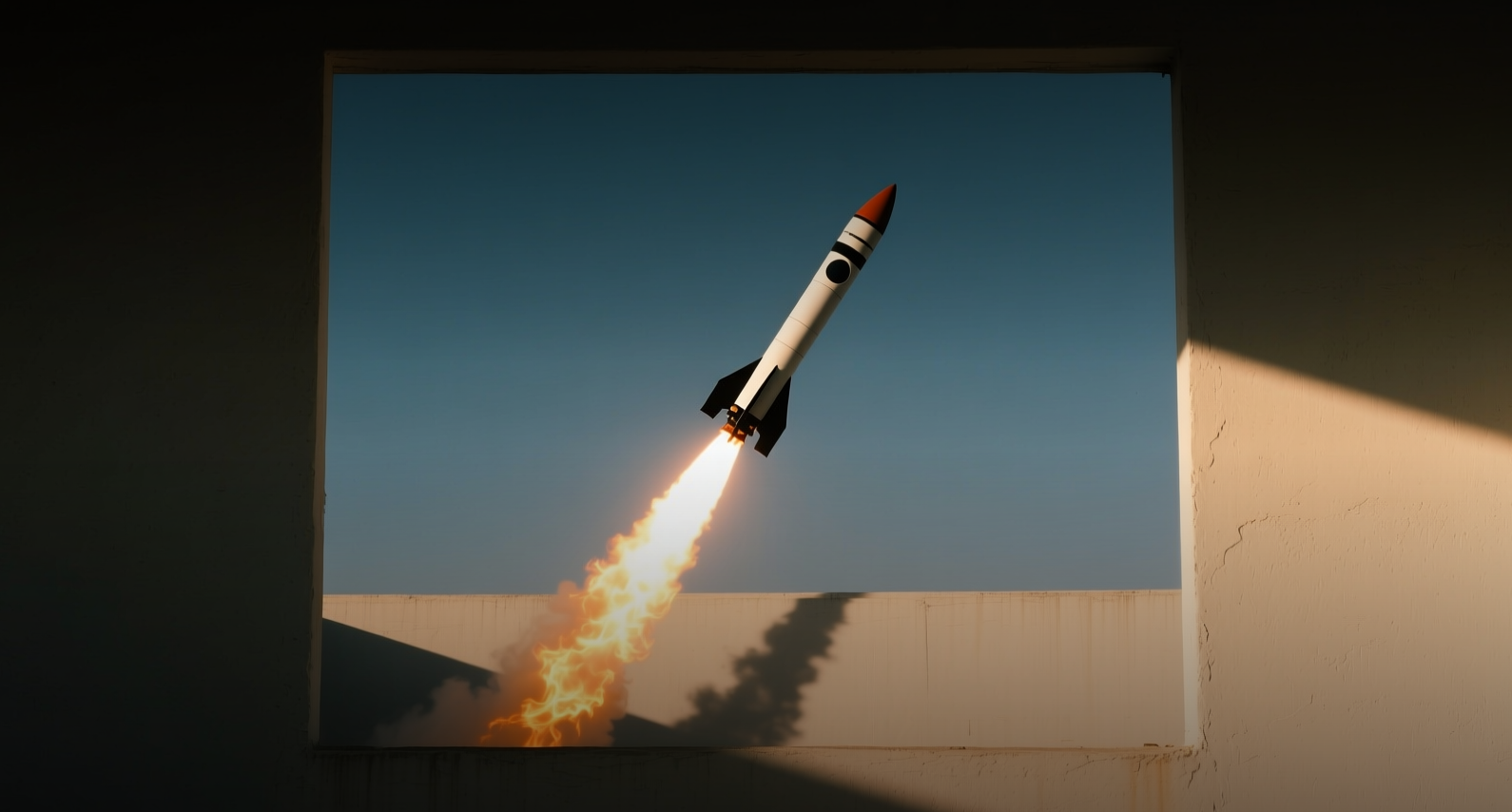
SpaceX plans to launch Starship's 13th integrated flight test as early as Thursday at 6:45 p.m. Eastern from its Starbase facility in South Texas, the company said July 11. The 90-minute window opens roughly seven weeks after Flight 12 on May 22, which introduced the upgraded V3 vehicle but suffered a booster recovery failure and engine anomalies.
"At stage separation on Flight 12, slight differences in engine startup on the ship caused the directional flip of the booster to be off by approximately 90 degrees," SpaceX stated in its mission preview. Five Raptor engines failed to relight for the boostback burn, forcing an early shutdown. The company has since modified the startup sequence and added hardware upgrades to improve relight reliability.
Flight 13 will deploy 20 functioning Starlink V3 satellites — the most advanced version of SpaceX's internet constellation — during the suborbital trajectory. The satellites will extend solar arrays and antennas and attempt laser-link connections with the existing Starlink network and a South African ground station before reentering the atmosphere roughly 20 minutes after deployment. Six of the satellites carry cameras to photograph Starship's heat shield, with several tiles painted white to serve as imaging targets.
The upper stage will also attempt a single Raptor engine relight in space, a capability required for future orbital missions. The Super Heavy booster will target a controlled splashdown in the Gulf of Mexico after executing launch, ascent, stage separation, and boostback maneuvers. Previous flights deployed only mass simulators of Starlink V3 satellites; this mission marks the first deployment of functioning units.
Hardware fixes target engine reliability
SpaceX traced the Flight 12 booster failure to interconnected engine startup issues. Five Raptor engines on the Super Heavy failed to ignite during the boostback burn after the ship's engine startup timing caused the booster to rotate off-axis. The company said it modified the startup sequence to be "more robust to timing variability" and added hardware changes to the booster for improved relight reliability. Several Raptor engine hardware and operational modifications also address an engine-out event during ascent on both the booster and ship during Flight 12, though SpaceX did not disclose the specific causes.
Why it matters for investors
Each successful Starship test flight de-risks a program central to SpaceX's satellite internet strategy and NASA's Artemis lunar campaign. Starship's ability to deploy V3 satellites at scale could lower Starlink's per-satellite launch cost significantly, strengthening SpaceX's competitive position against Amazon's Project Kuiper and OneWeb in the $17 billion satellite broadband market. A successful Flight 13 would also clear the path for Starship's first orbital attempt on Flight 14, which Elon Musk has said will target sea-based rocket recovery — a prerequisite for the rapid reuse cadence needed to make Starship economically viable. The FAA had not completed its mishap investigation from Flight 12 as of July 10, a factor that could influence the timing of future launches.
This article is for informational purposes only and does not constitute investment advice.
