
Hou Qijun, appointed Sinopec chairman a year ago, is dismantling the world's largest refiner's bureaucratic inertia to redirect capital toward new energy.
Hou Qijun, appointed Sinopec chairman a year ago, is dismantling the world's largest refiner's bureaucratic inertia to redirect capital toward new energy.
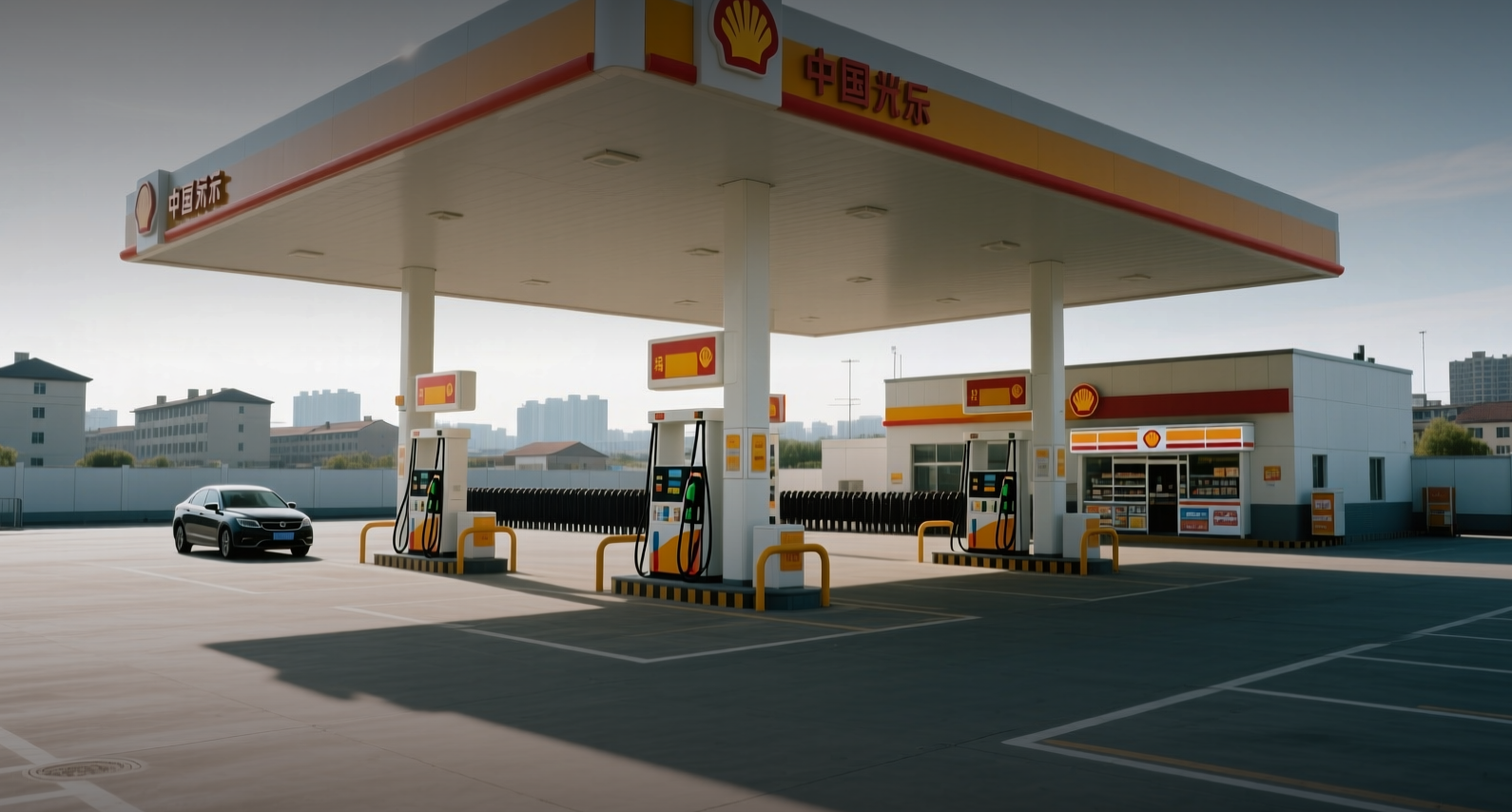
Sinopec chairman Hou Qijun is steering the world's largest refiner through a self-described "self-revolutionary" overhaul, redirecting 30 billion yuan ($4.46 billion) a year to new energy and materials through 2030.
"The biggest hurdles for such a self-revolutionary transformation lie not on technology, resources or markets, but the system and institutional inertia," Hou said in the July issue of a publication by China's State-owned Assets Supervision and Administration Commission (SASAC). "As the company grows in scale, its ability to respond to market changes becomes inadequate, and the 'big company syndrome' remains to be overcome."
Sinopec's fuel sales have fallen to 2017 levels, and the company faces an "uphill battle" to maintain domestic market share, the SASAC magazine said. The refiner sold around 3.6 million barrels per day of gasoline and diesel last year, mostly at home — a scale that has become a liability as vehicle electrification erodes transport fuel demand. Sinopec reported a 19 percent rise in first-half net profit despite heavy exposure to oil supply disruptions from the Iran war and government curbs on passing higher crude prices to consumers.
The stakes are existential for a company whose core business — refining crude into transport fuels — is structurally declining. China's oil consumption may have peaked last year, and refined fuel use is expected to fall 8 percent this year after a similar first-half decline, outpacing the 4-5 percent drop the company had forecast.
Hou's restructuring, launched shortly after his appointment in June 2025, carved Sinopec into four profit centres: oil, gas and new energy; refining and chemicals; finance and strategic new business; and a segment combining global trading with marketing teams for fuel, natural gas and chemicals. The reorganization grants greater authority to business units that previously reported through a centralized hierarchy.
"Gasoline was made for cars, yet half of new cars no longer need fuel," Hou said at an earnings briefing in Hong Kong on Monday. "Under these circumstances, how can producing more gasoline and diesel continue to generate revenue? We need to produce more chemical materials instead."
Sinopec's second-quarter refinery throughput slumped 17 percent from the first quarter, and domestic refined fuel sales tumbled 18 percent, a stock market filing showed on Sunday. To maintain flat processing volumes in the second half, annual crude throughput needs to be about 4.52 million barrels per day, down 10 percent from 2025, Reuters calculations show.
The company will "try all possible means" to secure crude oil, including from Saudi Arabia's Red Sea port of Yanbu and UAE oil exports piped to loading points outside the Gulf, Hou told the Hong Kong briefing. Sinopec will increase sourcing from Brazil, Africa and beyond to contend with supply disruptions from Middle East conflict. The refiner holds crude oil stocks for 20 days of processing and refined fuel for 15 days of sales, President Wan Tao said.
In the SASAC report, Hou targeted completion of more than 30 projects by 2030, including growing reserves, producing shale oil, developing sustainable aviation fuel and cutting refining costs. In shale, Sinopec is set to start commercial development at the Jiyang trough, part of its flagship Shengli oilfield where conventionally accessible reserves are fast depleting. Hou told reporters in March he was the project's commander-in-chief.
The company's shift to higher-value petrochemicals faces fierce competition from rivals such as local government-backed Wanhua Chemical and privately led Satellite Chemical, as well as overcapacity in ethylene, a key building block in plastics and fiber.
An executive with a Chinese institutional investor that owns Sinopec shares said Hou, at 60, appears on a mission to "salvage Sinopec, which has been fighting for survival in a tight spot." Executives at Chinese state firms typically retire at 63.
With his experience at CNPC and PipeChina, Hou has a good grasp of the whole energy value chain and could capitalize on government backing for commercially challenging investments such as hydrogen and carbon capture, said Michal Maiden, director of the China program at the Oxford Institute for Energy Studies. "The question is how will Sinopec and its peers compete with the non-state actors in the new energy space," she said.
This article is for informational purposes only and does not constitute investment advice.
