
Shell's planned divestiture of its U.S. chemical operations could raise up to $8 billion, a steep discount to the capital invested in the facilities.
Shell's planned divestiture of its U.S. chemical operations could raise up to $8 billion, a steep discount to the capital invested in the facilities.
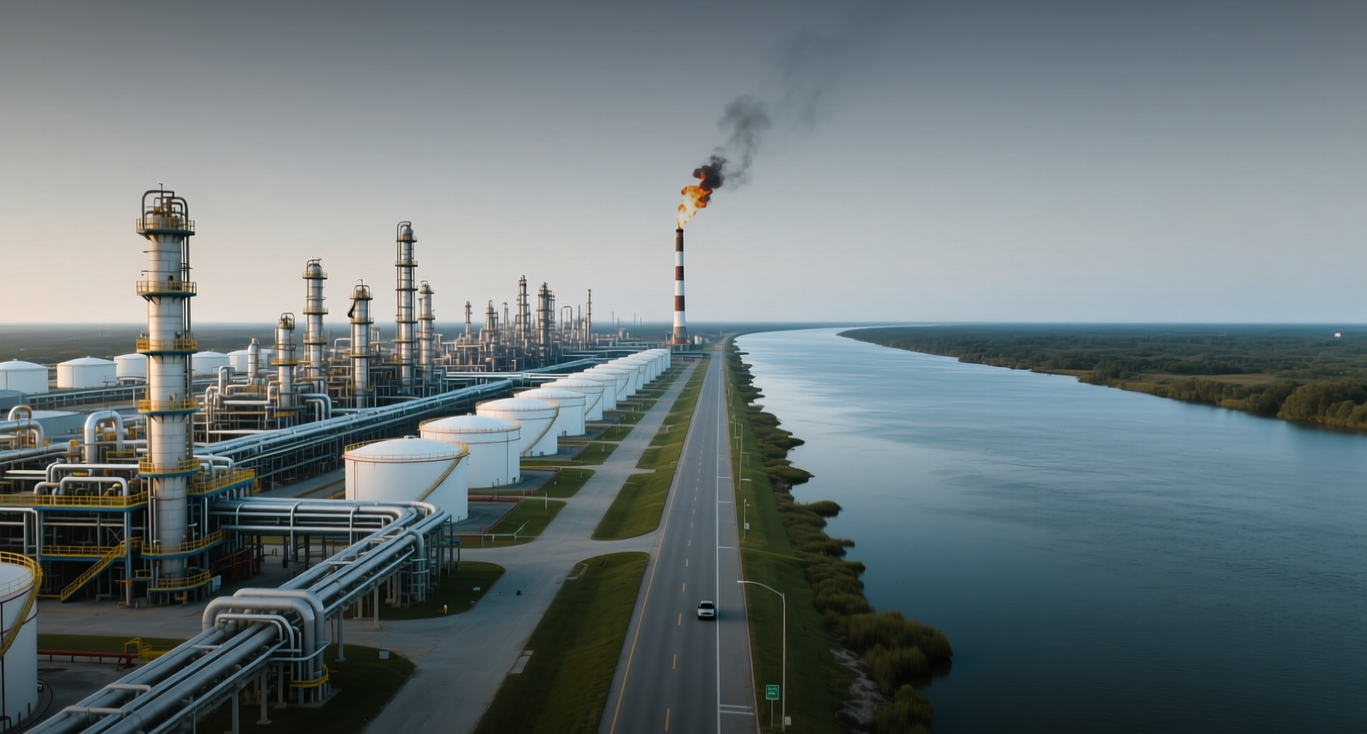
Shell is fielding bids for its U.S. chemical assets that could fetch up to $8 billion, with ExxonMobil, LyondellBasell, Apollo and Kuwait Petroleum among interested parties, the Financial Times reported Monday.
The Financial Times, citing people familiar with the matter, reported that multiple non-binding bids were submitted last month, ranging from proposals for the entire business to acquisitions of select portions. Shell, ExxonMobil, LyondellBasell, Apollo and Kuwait Petroleum declined to comment when contacted by Reuters.
The assets include four plants across Louisiana, Texas and Pennsylvania that produce chemicals for plastics, detergents and pharmaceuticals. The Monaca complex in Pennsylvania, which began operations in 2022, received roughly $14 billion in investment and has annual polymer production capacity of up to 1.6 million tonnes. The reported $8 billion sale price would fall substantially below Shell's total capital invested in these facilities. Payment structure and expected closing timeline have not yet been disclosed.
The divestiture is part of Shell's broader strategic pivot away from underperforming chemical operations and low-carbon investments toward its highly profitable upstream business and trading. Earlier this month, Shell agreed to sell its European onshore renewables power business to TotalEnergies. The company is also preparing to divest its European chemical assets with help from advisors, according to the FT.
The sale process reflects a wider trend among Western oil majors exiting chemical operations as the industry faces global oversupply and weak demand. Shell has been selectively pruning non-core businesses since 2023, including chemicals and renewable energy.
ExxonMobil, named as a potential buyer, operates one of the world's largest chemical businesses and could use the acquisition to expand its U.S. production footprint. LyondellBasell, which specializes in polyolefins, has also expressed interest in expanding its U.S. manufacturing base. Apollo's interest reflects private equity's appetite for assets where operational improvements could unlock value.
Shell's $13.6 billion acquisition of Canadian oil and gas producer ARC Resources earlier this year — its largest deal in more than a decade — shows the company's commitment to upstream operations. The chemical divestiture would generate cash to fund that focus while improving capital efficiency.
The sale price falling far below invested capital could force Shell to write down the book value of these assets. However, the cash generation from divesting underperforming businesses is viewed positively by some investors, who see improved capital allocation as a driver of shareholder returns.
The chemical industry's structural challenges are well documented. Global polymer capacity additions from China and the Middle East have outpaced demand growth, compressing margins across the value chain. Western producers have responded by rationalizing capacity and exiting commodity chemicals, a pattern that accelerated after the pandemic-era demand boom faded.
The outcome of the sale process will be closely watched as an indicator of Shell's capital allocation strategy. If completed, the divestiture would accelerate Shell's portfolio restructuring and free up capital for its core oil and gas operations. The European chemical assets sale is expected to follow, though at a significantly lower valuation than the U.S. portion.
Shell's stock showed a modest reaction to the news during trading on Aug. 24. The company's shares have been supported this year by its focus on high-margin upstream operations and trading, which have delivered strong cash flows.
For ExxonMobil, acquiring Shell's U.S. chemical plants would deepen its presence in the Gulf Coast petrochemical corridor and Pennsylvania, complementing its existing ethylene and polyethylene capacity. For Apollo, the deal represents an opportunity to apply operational improvement playbooks to underperforming industrial assets, a strategy the firm has deployed across energy infrastructure.
This article is for informational purposes only and does not constitute investment advice.
