The FDA approved Sanofi's subcutaneous Sarclisa Escena for multiple myeloma, the first cancer drug cleared for delivery via an on-body injector.
"Multiple myeloma is a malignancy that often requires frequent IV infusions or manual subcutaneous injections. Treatment administration can be a cumbersome experience for patients, while also placing a strain on providers," Sikander Ailawadhi, professor of medicine at Mayo Clinic Florida and principal investigator of the IRAKLIA study, said.
The approval was supported by the IRAKLIA Phase 3 study, which showed Sarclisa Escena administered subcutaneously via the CirCLIQ on-body injector achieved a 71.1% objective response rate in combination with pomalidomide and dexamethasone, compared with 70.5% for intravenous Sarclisa, establishing non-inferiority. Systemic administration reactions occurred in 1.5% of patients receiving the subcutaneous formulation versus 25% with IV infusion. Injection site reactions were reported in 0.4% of OBI injections, nearly all grade 1.
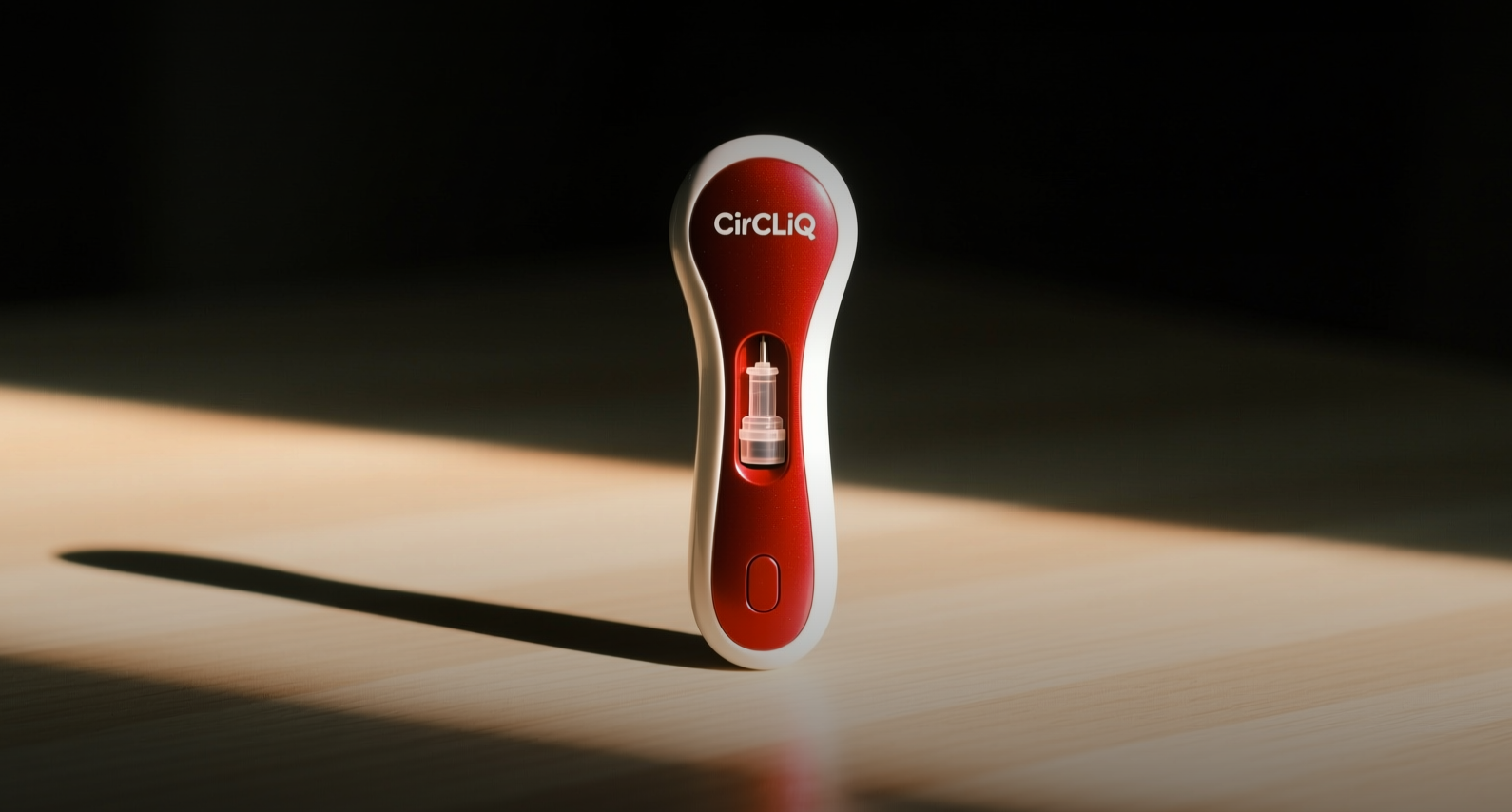
The CirCLIQ device, developed by Cincinnati-based Enable Injections using its enFuse platform, uses a retractable 30-gauge needle that is shorter and thinner than needles typically used for large-volume injections. The hands-free automated injector delivers the drug subcutaneously with the push of a button, potentially reducing the physical burden on nurses and allowing more time for patient monitoring.
Sarclisa is currently approved in the US across three indications: in newly diagnosed multiple myeloma patients not eligible for autologous stem cell transplant, in combination with pomalidomide and dexamethasone for relapsed or refractory MM after two or more prior therapies, and in combination with carfilzomib and dexamethasone for patients with one to three prior lines of therapy. More than 70,000 patients have been treated with Sarclisa worldwide across four approved indications in nearly 60 countries.
"The introduction of Sarclisa Escena with the innovative CirCLIQ on-body injector represents a significant advancement in multiple myeloma care," Donna D. Catamero, associate director of myeloma research at Mount Sinai and International Myeloma Foundation Nurse Leadership Board member, said. "For nurses and physicians treating patients with multiple myeloma, this automated system has the potential to meaningfully reduce administrative burden, simplifying how therapy is delivered and giving healthcare teams more capacity to focus on their patients."
The approval gives Sanofi a first-mover advantage in wearable injector delivery for oncology, a category that could expand as other drugmakers develop subcutaneous formulations of infused cancer therapies. Investors will watch for commercial uptake data in the coming quarters and potential label expansions in additional markets.
This article is for informational purposes only and does not constitute investment advice.