
Russia has escalated from financial incentives to physical coercion, detaining and beating men into signing military contracts as the Kremlin weighs another mobilization.
Russia has escalated from financial incentives to physical coercion, detaining and beating men into signing military contracts as the Kremlin weighs another mobilization.
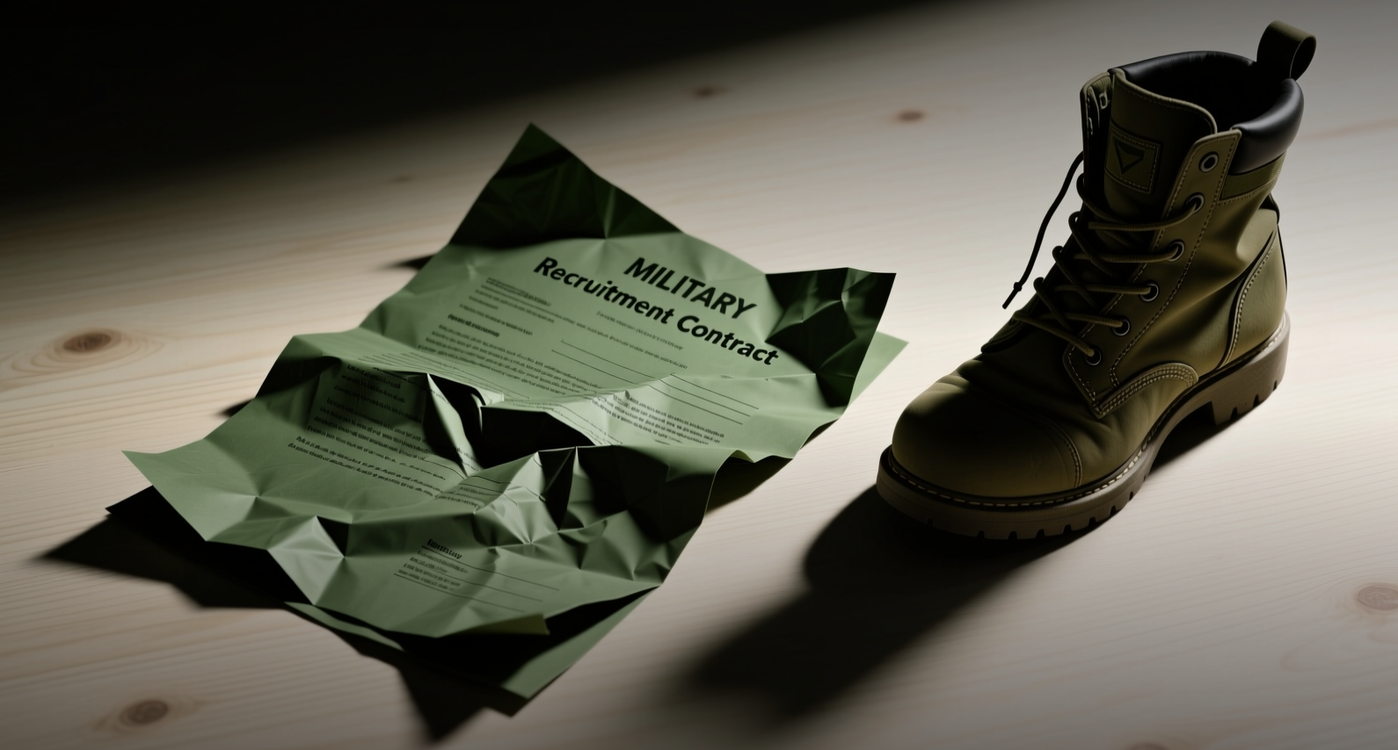
Russia is detaining and beating men into military contracts as voluntary recruitment stalls and losses reach 30,000 to 40,000 killed and wounded monthly, lawyers and eyewitnesses said.
"Authorities have switched to a method of violence, when they catch men and send them off," Artyom Klyga, a lawyer who helps those forced into service, said.
Russian forces suffered 42,860 casualties in July alone, the highest monthly toll this year, according to the Ukrainian General Staff. In the Penza region, recruiters have detained men on the street or under the pretext of document checks, beating some until they signed contracts. Regional programs offer third parties 100,000 rubles, about $1,300, to bring someone to a recruitment office.
U.S. officials say the Kremlin is weighing another forced mobilization, potentially after parliamentary elections on Sept. 20. Ruslan Pukhov, director of the Moscow-based Center for the Analysis of Strategies and Technologies, said if Putin sticks to his demands in eastern Ukraine, "he may have no other choice than to call a mobilization."
Bounties fail as coercion takes over
Russia had previously offered signing bonuses often exceeding a year's salary to attract volunteers, but those incentives no longer produce enough recruits to keep pace with losses. "Just as many people have to somehow be brought into service, and the fewer there are who are ready to sign a contract the more pressure they have to use," said Grigory Sverdlin, founder of Get Lost, an antiwar organization that helps Russians avoid service.
The pressure campaign echoes the partial mobilization Putin ordered in fall 2022, which prompted up to 700,000 Russians to flee the country. Similar bounty programs have appeared in Tatarstan, where Russia produces most of its drones, as well as the Amur and Yaroslavl regions and cities including Kaluga, Voronezh and Arkhangelsk.
In Penza, residents have posted videos showing men in civilian clothes inside military vans surrounded by crying women. "They beat you, they forced you!" one woman shouts in a viral video. The Penza branch of the Interior Ministry denied the raids send men to the front and threatened legal consequences for those spreading "false information."
Blogger Stanislav Morozov, who made a documentary about forced conscription, said he is under investigation by Russia's Federal Security Service. "They haven't forbidden me from continuing, but they've made it clear it's in my best interests not to," he said. Of the dozens of relatives he has spoken to, most agreed to sign contracts when law-enforcement officials threatened to plant drugs on them and arrest them on the spot.
Oil capacity down 40% as war costs mount
The manpower crisis coincides with mounting economic pressure. A Financial Times analysis found Ukraine's drone campaign targeting critical Russian oil infrastructure has cut oil and natural gas production capacity by 35 to 40 percent, pushing Russia toward its worst energy crisis since the collapse of the Soviet Union. Residents of the Siberian city of Tyumen told independent outlet Meduza they faced an "apocalypse" of polluted water, with one resident saying "all the financing is going towards those three famous letters" — the Kremlin's term for the war.
Fighting continues across Ukraine as the recruitment crisis deepens. Ukrainian officials said Russian aircraft dropped eight glide bombs on residential districts of Zaporizhzhia, killing one person and injuring 31. Russia also launched 181 long-range drones overnight, with 14 striking targets in 13 locations. Ukraine reported strikes inside Russia, including the Saratov oil refinery, Engels military airfield and fuel storage tanks in the Kaluga region.
The coercive tactics carry political risk. Dmitry Rogin, a 53-year-old Russian reserve officer who could be called up, said: "As soon as I'm given a weapon, I will shoot those who mobilized me." Another mobilization would likely draw men with little experience or will to fight, potentially undermining battlefield effectiveness even as it adds numbers. U.S. officials said the pressure campaign has added some troops but not enough for major breakthroughs, leaving the Kremlin to weigh the political costs of another draft against the military imperative of replacing losses.
This article is for informational purposes only and does not constitute investment advice.
