
Washington is betting economic strangulation can do what six months of war has not.
Washington is betting economic strangulation can do what six months of war has not.
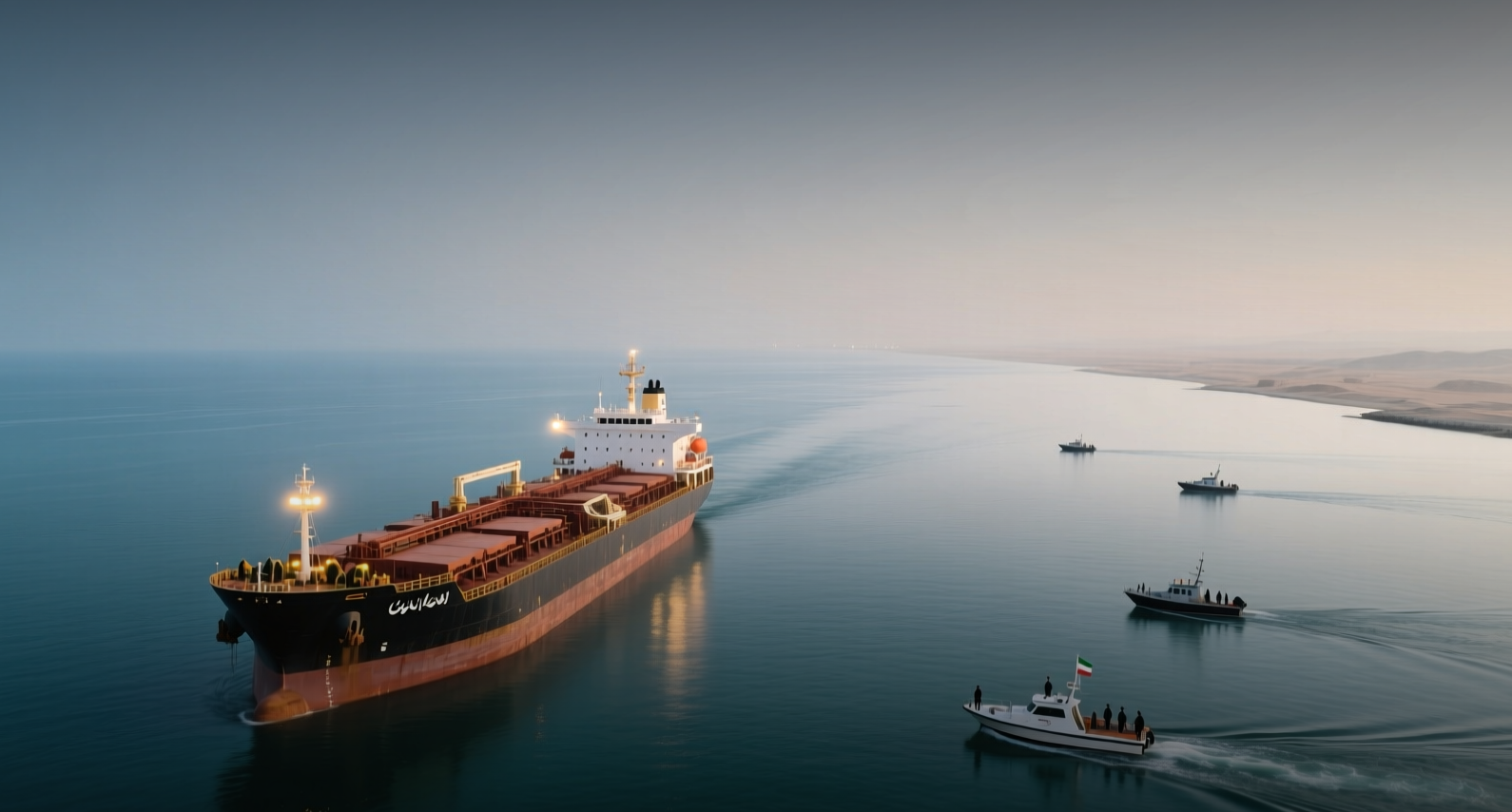
Washington is betting economic strangulation can do what six months of war has not.
Secretary of State Marco Rubio has told allied diplomats the US will not launch a new round of strikes against Iran for now, shifting pressure to sanctions as Treasury targets nearly 60 Iran-linked entities.
"Let there be no ambiguity as to the position of the United States. An economic engagement of any kind with this murderous regime will expose those responsible to the full reach of American power," Scott Bessent, Treasury Secretary, said Monday.
The policy shift comes as Iran's rial hit a record low of 2.02 million to the dollar and as the Pentagon reports 757 US service members wounded since the conflict began in late February. Treasury's latest sanctions round targets entities across Iran's nuclear, missile, cyber and oil networks, including Hong Kong-based Sweet Ocean Industrial and China-based Shenzhen Huamei. The UAE announced last week it was suspending all trade and financial transactions with Iran until further notice.
The decision to hold military action at least through the midterm elections removes a near-term geopolitical risk premium from crude markets, though the conditional threat of retaliation if Iran strikes first keeps the door open. With the Strait of Hormuz handling roughly 21 percent of global oil trade, any escalation could still roil energy prices. The US national debt, meanwhile, has crossed $40 trillion, with defense costs tied to the Iran conflict among the largest drivers of federal spending.
The last time Washington paused military operations was in late July, when Operation Epic Fury was formally concluded and the Pentagon created a new "Overseas Operations" casualty category. That pause proved temporary. Defense Secretary Pete Hegseth said Monday he is "by no means" ruling out kinetic strikes in the Strait of Hormuz or around Iran, adding that "economic pressure we know hurts them the most right now." The Pentagon has also approved a $4.5 billion sale of KC-46A aerial refueling aircraft to Qatar, a key Gulf partner hosting a major US military base.
Bessent said the administration is giving Iran's trading partners a "cure period" to sever financial ties before secondary sanctions take full effect. China, Turkey and the UAE are Iran's largest trade partners. The Treasury secretary said Trump has been making direct calls to world leaders with specific requests to cease interactions with Tehran, and the UAE's suspension of trade announced last week is the first visible result. Asked whether the US could go soft on China to preserve the fragile trade truce between the world's two largest economies, Bessent said "no one is above the reach of US sanctions."
The shift from military to economic pressure carries implications across asset classes. Brent crude has carried a war premium since February, and the removal of near-term strike risk could pressure prices lower. Gold, which has drawn safe-haven flows through the conflict, may see reduced demand. However, the conditional nature of the policy — the US reserves the right to respond if Iran attacks first — limits the downside for energy prices. The USS George Washington carrier's arrival in the Middle East this week, replacing the long-deployed USS Abraham Lincoln, keeps US naval presence in the region intact even as strike options are deferred.
The policy is expected to hold at least until after the midterm elections, when the administration could reconsider military options. Iran's parliament speaker Mohammad Bagher Qalibaf dismissed the sanctions threat, saying "Americans know that no one buys their bombast." But with the rial at record lows and the economy reeling from months of war, Tehran's capacity to withstand sustained economic pressure remains uncertain. The next test comes in September, when a Treasury license tied to sanctioned Russian oil firm Lukoil expires and Chinese President Xi Jinping is expected to visit Washington. The US has also ramped up pressure on Cuba, imposing new sanctions on its mining and metals sectors, part of a broader pattern of economic statecraft across multiple fronts.
This article is for informational purposes only and does not constitute investment advice.
