
Record-low water on the Rhine is set to cap Germany's third-quarter recovery, the Bundesbank said Thursday.
Record-low water on the Rhine is set to cap Germany's third-quarter recovery, the Bundesbank said Thursday.
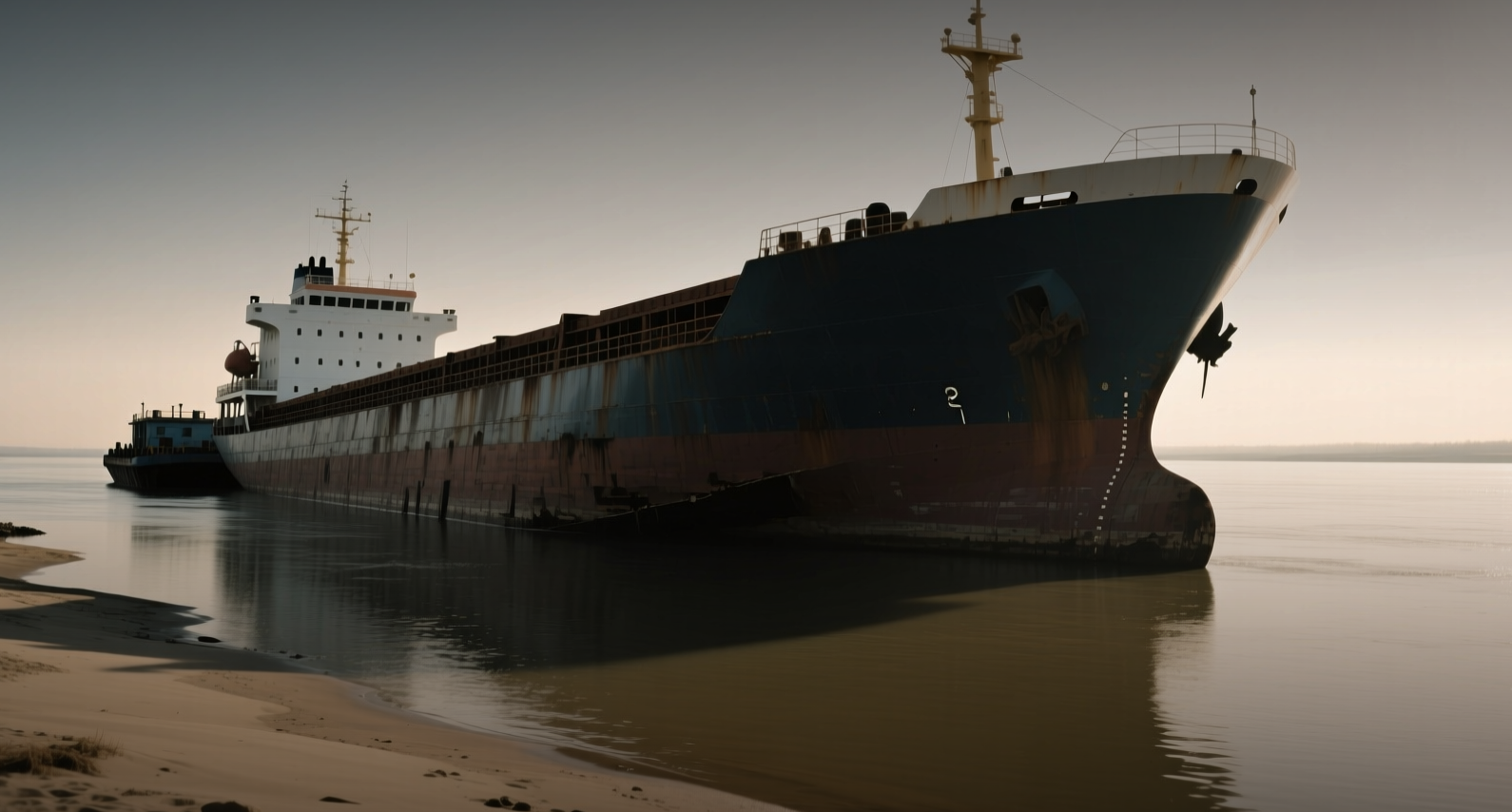
Record-low water levels on the Rhine are set to slow Germany's economic recovery in the third quarter, the Bundesbank said Thursday, with limited river transport and sharply higher shipping costs constraining industrial output and export growth.
"The only limited availability of transport routes on major rivers and sharply rising transport costs are expected to place significant constraints on industrial output and export growth," the Bundesbank said in its August monthly report.
The water gauge at the Rhine bottleneck of Kaub, in western Germany, notched a record low in recent days, forcing ships to carry fewer goods to pass through. Much of Western Europe endured its hottest June and July on record, and the shallow water is set to cause delivery delays, exacerbate material shortages, raise transport costs and delay production, the central bank said.
After gross domestic product grew 0.4% in the first quarter and 0.2% in the second, activity is likely to at best expand only marginally in the third quarter. "This will put a marked strain on industrial activity that has otherwise just started to strengthen," the Bundesbank said.
The Rhine carries a large share of Germany's freight, and the Kaub gauge near Koblenz is the shallowest point on the river's middle stretch. With vessels unable to sail fully loaded, cargo owners face higher per-tonne costs and longer transit times, hitting chemicals, metals and other export-heavy industries that rely on the waterway.
The disruption comes as the economy has proved more resilient than expected to the jump in energy prices caused by the war in Iran in the first half of 2026. Exports drove the 0.4% and 0.2% quarterly gains, though some economists point to foreign companies temporarily stockpiling German goods before expected cost increases and supply issues tied to the Middle East conflict — a dynamic that could unwind in the months ahead.
Low capacity utilization in industry and the European Central Bank's rate rise in June are also damping corporate investment, while private consumption remains weighed down by high energy prices. The last comparable disruption came in 2018, when low water on the Rhine forced chemical producers including BASF to cut output, a reminder of how a single infrastructure bottleneck can ripple through Europe's largest economy.
The Bundesbank said inflation, which stood at 2.8% in July, could temporarily rise further in the coming months, though the outlook depends on the course of the Middle East war. It found no evidence that the conflict is triggering second-round effects through higher negotiated wages: contracted wage growth slowed to 2.6% in the second quarter from 2.8%, while base wage growth excluding one-off payments fell more sharply, to 2.6% from 3.3%.
Strong recent manufacturing orders, alongside increased government investment pledged in defense and infrastructure, should continue to support the economy ahead. "The German economy is now clearly on a recovery path that the war in the Middle East has also failed to thwart," the Bundesbank added.
If low water persists into the autumn, the drag on third-quarter output could spill into the fourth, complicating the ECB's assessment of growth and inflation as it weighs further rate moves. For investors, the warning is a reminder that Germany's export engine remains exposed to climate-driven supply shocks even as it regains momentum.
This article is for informational purposes only and does not constitute investment advice.
