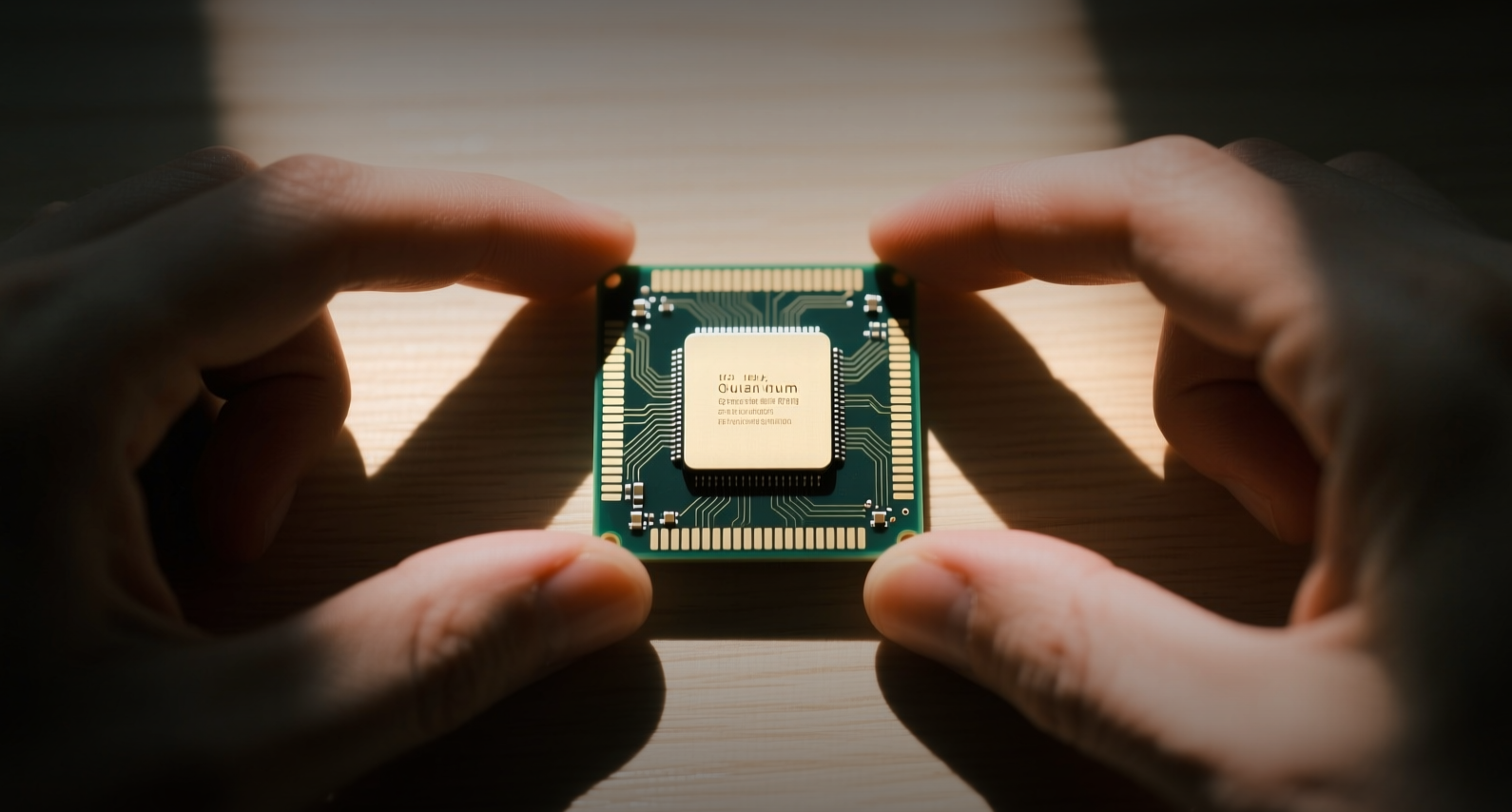
A joint white paper from Quantinuum and SoftBank maps commercially relevant quantum computing applications to hardware roadmaps, giving enterprises a framework for when the technology becomes practical.
Quantinuum (NASDAQ: QNT) and SoftBank Corp. published a joint white paper on July 21 that maps two commercially relevant quantum computing application areas — quantum chemistry and topological data analysis — against Quantinuum's hardware roadmap, providing a framework for assessing when industrial use cases become feasible as hardware and algorithms advance.
"The key takeaway of this study is that organizations do not need to wait for large-scale, fault-tolerant systems to explore where quantum computing can begin creating value," Duncan Jones, General Manager of the Applications Group at Quantinuum, said. "By using today's systems to develop, benchmark and refine applications in areas such as quantum chemistry and graph analytics, enterprises can build the technical and operational readiness needed for the next era of quantum-enabled computing."
The paper focuses on two domains SoftBank is actively researching using Quantinuum's systems: quantum chemistry for new materials discovery and energy research, and topological data analysis for large-scale graph analytics, including telecommunications fraud detection. The authors anchor their scalability assessment against Quantinuum's published hardware roadmap, examining how projected advances may enable commercial readiness across successive hardware generations.
The collaboration signals that quantum computing is moving from theoretical promise toward structured industrial exploration, with SoftBank — a major global technology investor — lending credibility to Quantinuum's trajectory. The companies said they will use the roadmap to inform future quantum AI data center services and related business models, building on a partnership announced last year.
Why SoftBank's involvement matters
SoftBank's participation is significant because the Japanese telecom and investment conglomerate brings both technical expertise and capital allocation authority. Ryuji Wakikawa, Senior Vice President and CTO at SoftBank Corp., said the question is no longer whether quantum computing may deliver value, but which problem classes become executable at each stage of hardware maturity. He emphasized that hardware progress must be complemented by advances in quantum algorithms and integration with AI and high-performance computing.
Quantinuum, which has a global workforce of about 700 employees with over 70% of its technology team holding PhDs or Master's degrees, has commercially deployed multiple generations of quantum systems built on the QCCD architecture. The company reports the industry's highest average two-qubit gate fidelity based on its most recent data from December 2025.
What this means for investors
Quantinuum shares advanced following the announcement as investors priced in the validation from a partner of SoftBank's scale. The white paper provides a concrete timeline framework rather than vague promises, which may help the market better assess when quantum computing revenue streams could materialize. Rival quantum computing firms including IonQ (NYSE: IONQ) and Rigetti Computing (NASDAQ: RGTI) face similar questions about commercial timelines, and Quantinuum's partnership with SoftBank gives it a potential edge in the race to demonstrate practical applications at scale.
This article is for informational purposes only and does not constitute investment advice.