

Key Takeaways:
- PM reported Q2 adjusted EPS of $2.20, beating the $2.04 consensus estimate.
- Organic revenue rose 7.6% to $11.2B, with smoke-free sales growing 9.7%.
- Shares gained in Wednesday trading as the tobacco sector rallied on the results.
Key Takeaways:
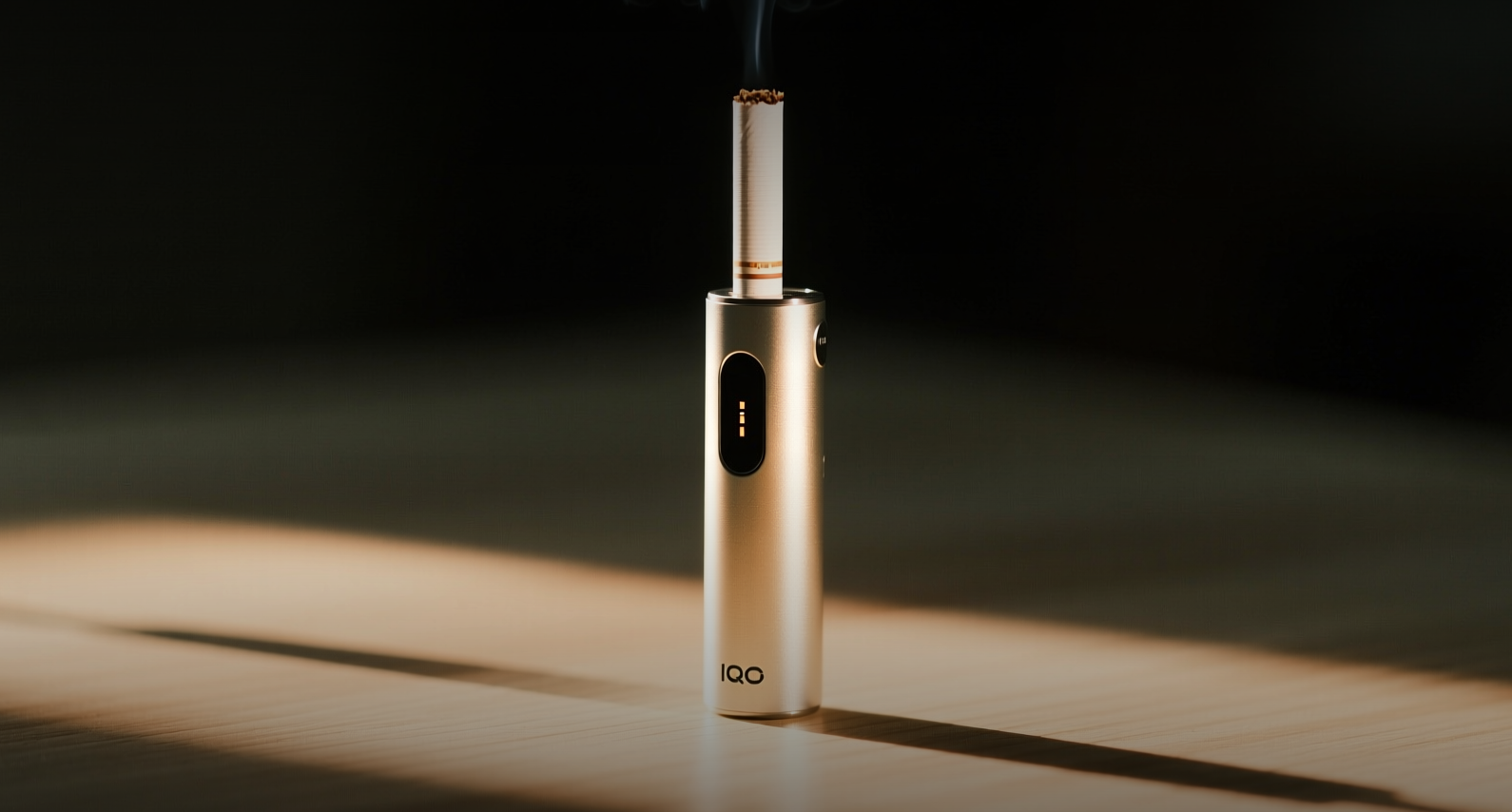
Philip Morris International reported Q2 adjusted EPS of $2.20, beating the $2.04 consensus estimate by 7.8%.
"The results reflect strong execution across our smoke-free and combustible businesses," the company said in its earnings release.
Revenue reached $11.2B on an organic basis, up 7.6% from a year earlier. The smoke-free segment posted organic growth of 9.7%, while the combustibles business rose 6.1%. The earnings beat was driven by broad-based strength across both categories, with pricing power helping offset input cost pressures.
The smoke-free business, which includes IQOS heated tobacco devices and ZYN nicotine pouches, continued to outpace the traditional cigarette segment. Philip Morris has been investing in reduced-risk products as it targets a smoke-free future, competing with British American Tobacco's Vuse and glo brands as well as Altria's NJOY in the US market. IQOS has gained traction in markets across Europe and Asia, with Japan representing one of its largest adoption bases. The company has set a target of generating more than half of its revenue from smoke-free products, and the Q2 results show it is making progress toward that goal.
The combustibles segment, while growing at a slower pace, benefited from price increases and resilient demand in emerging markets. Philip Morris generates a significant portion of its revenue from international markets, giving it exposure to diverse regulatory and consumer trends. The company has consistently raised prices to offset volume declines in traditional cigarettes, a strategy that has supported margin expansion across the industry.
The results lifted Philip Morris shares in Wednesday morning trading and boosted the broader tobacco sector. British American Tobacco and Japan Tobacco also gained on the session, reflecting positive sentiment across the industry following the report. The S&P 500 consumer staples sector edged higher as investors rotated into defensive names.
The company did not disclose updated full-year guidance in the release. The earnings beat comes as consumer staples companies face pressure from elevated input costs and shifting regulatory environments, particularly around reduced-risk products. Philip Morris has been navigating these challenges through cost efficiency programs and strategic pricing. The 7.8% EPS beat marks one of the larger surprises for the company in recent quarters, suggesting operational momentum that could support further multiple expansion.
The tobacco sector has been a relative bright spot in consumer staples, with Philip Morris and its peers benefiting from pricing power and inelastic demand. The shift toward smoke-free products represents a structural growth opportunity, as regulators in markets such as the US and UK increasingly endorse harm-reduction strategies. Philip Morris has positioned itself as a leader in this transition, investing billions in product development and commercialization.
The earnings beat shows that Philip Morris is managing cost pressures while accelerating its shift toward reduced-risk products. Investors will watch the company's earnings call for any updates on full-year guidance and IQOS adoption trends in key markets such as Japan and the European Union.
This article is for informational purposes only and does not constitute investment advice.
