
The Philadelphia Semiconductor Index sits one percent from a bull market, yet analysts warn the order backlogs driving the rally may not translate into realized revenue.
The Philadelphia Semiconductor Index sits one percent from a bull market, yet analysts warn the order backlogs driving the rally may not translate into realized revenue.
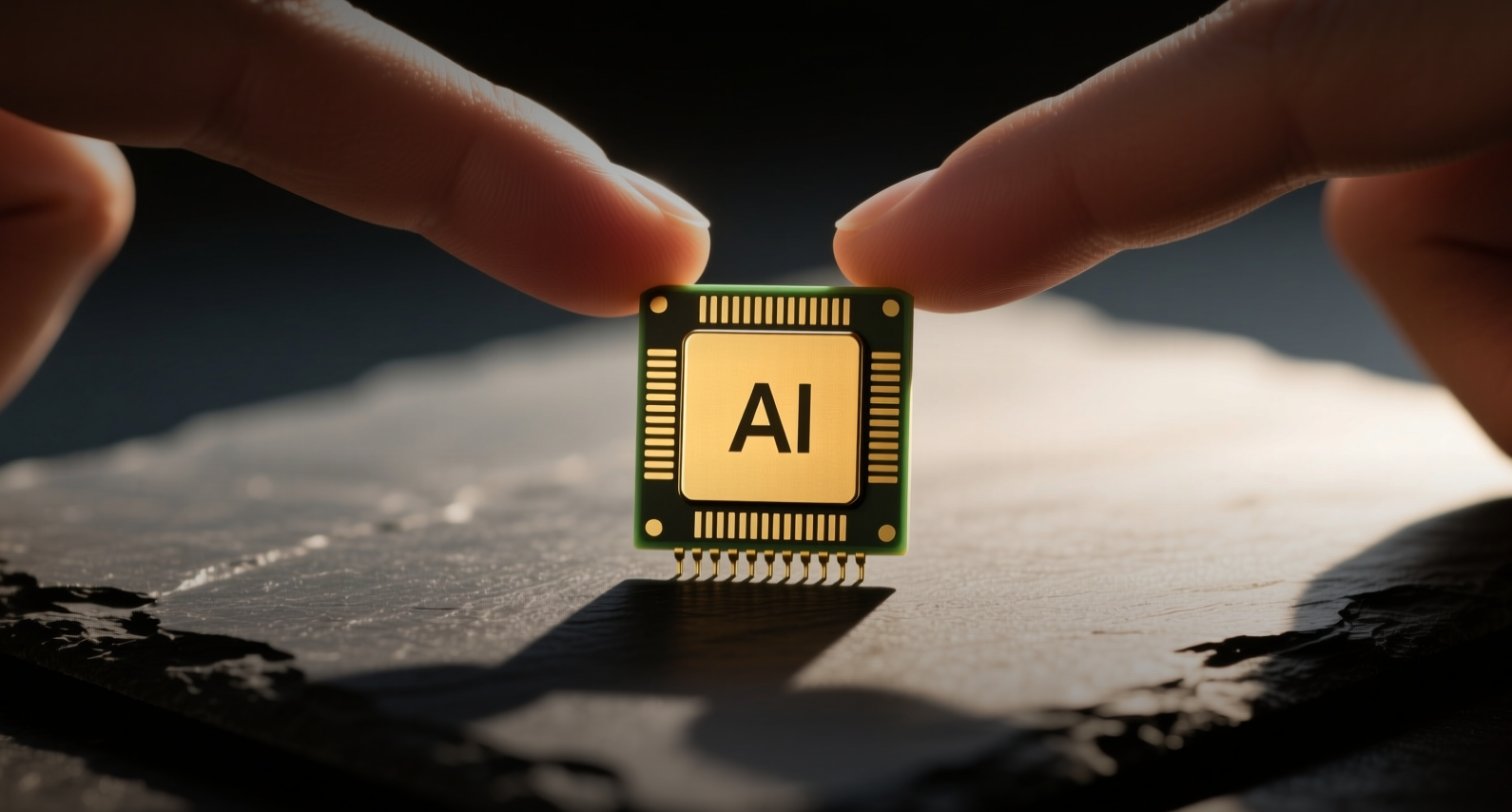
The Philadelphia Semiconductor Index rose 2.49 percent to 12,399.38 on Wednesday, within 1.1 percent of the 12,536.99 level that would mark a bull market, after earnings from CoreWeave, Super Micro Computer and Lumentum showed AI spending remains strong.
"We have not yet seen consumer and corporate spending sufficient to support commitments of this scale," Dan Kemp, founder of investment advisory Portfolio Thinking, said.
The rally was broad. Storage names led, with SanDisk up 6 percent, Micron Technology up 5 percent and SK Hynix's US-listed shares up 9 percent. Nvidia gained 3 percent, while optical supplier Coherent rose more than 8 percent. CoreWeave, Super Micro and Lumentum each jumped about 19 percent, 19 percent and 13 percent respectively after reporting results Tuesday evening.
The gains came as CoreWeave raised its full-year capital expenditure plan to $35 billion to $39 billion from $31 billion to $35 billion, while its second-quarter net interest expense of $640 million exceeded adjusted operating income of $128 million. Super Micro reiterated that new orders topped $60 billion in its June quarter.
CoreWeave's second-quarter revenue rose 112 percent year over year to $2.6 billion, with adjusted EBITDA of $1.5 billion at a 59 percent margin. Its revenue backlog reached $104 billion, excluding more than $25 billion in net new commitments signed in the first weeks of Q3.
Kemp cautioned that backlogs can be canceled or delayed, and investors should price them as a range of outcomes rather than realized revenue. Brian Mulberry, chief market strategist at Zacks Investment Management, said the reports "help confirm the AI trade is broadening, not just getting bigger." CoreWeave confirmed GPU demand remains strong, while Lumentum showed how that demand is pulling through to data-center power and operating infrastructure, he said.
Kemp agreed that CoreWeave and Super Micro, which sit downstream in the AI chain handling chip connection and installation, offer investors a window into real chip demand. Wednesday's consumer price index data, which matched Wall Street expectations, also supported the chip rally.
Mulberry cautioned that not all chip companies benefit equally from the AI boom, and fundamentals will matter more than price momentum. He cited Nvidia, Broadcom and optical networking supplier Coherent as having the strongest fundamentals. Kemp echoed that the match between demand growth and valuation is the key to long-term investment value.
The debate over AI infrastructure spending has intensified as CoreWeave's debt-funded buildout draws scrutiny. Its credit default swaps had priced a roughly 50 percent five-year default probability before earnings, yet customers including Meta, Anthropic and Databricks signed more than $25 billion in new commitments in the first weeks of Q3, according to prior reporting.
For investors, the core question is whether demand growth outpaces the expectations implied by share prices. "On that point, the evidence is far less reassuring," Kemp said.
This article is for informational purposes only and does not constitute investment advice.
