
Field Marshal Asim Munir has turned Pakistan's army into a diplomatic asset, but a stagnant economy and a rising domestic death toll threaten to erase his gains.
Field Marshal Asim Munir has turned Pakistan's army into a diplomatic asset, but a stagnant economy and a rising domestic death toll threaten to erase his gains.
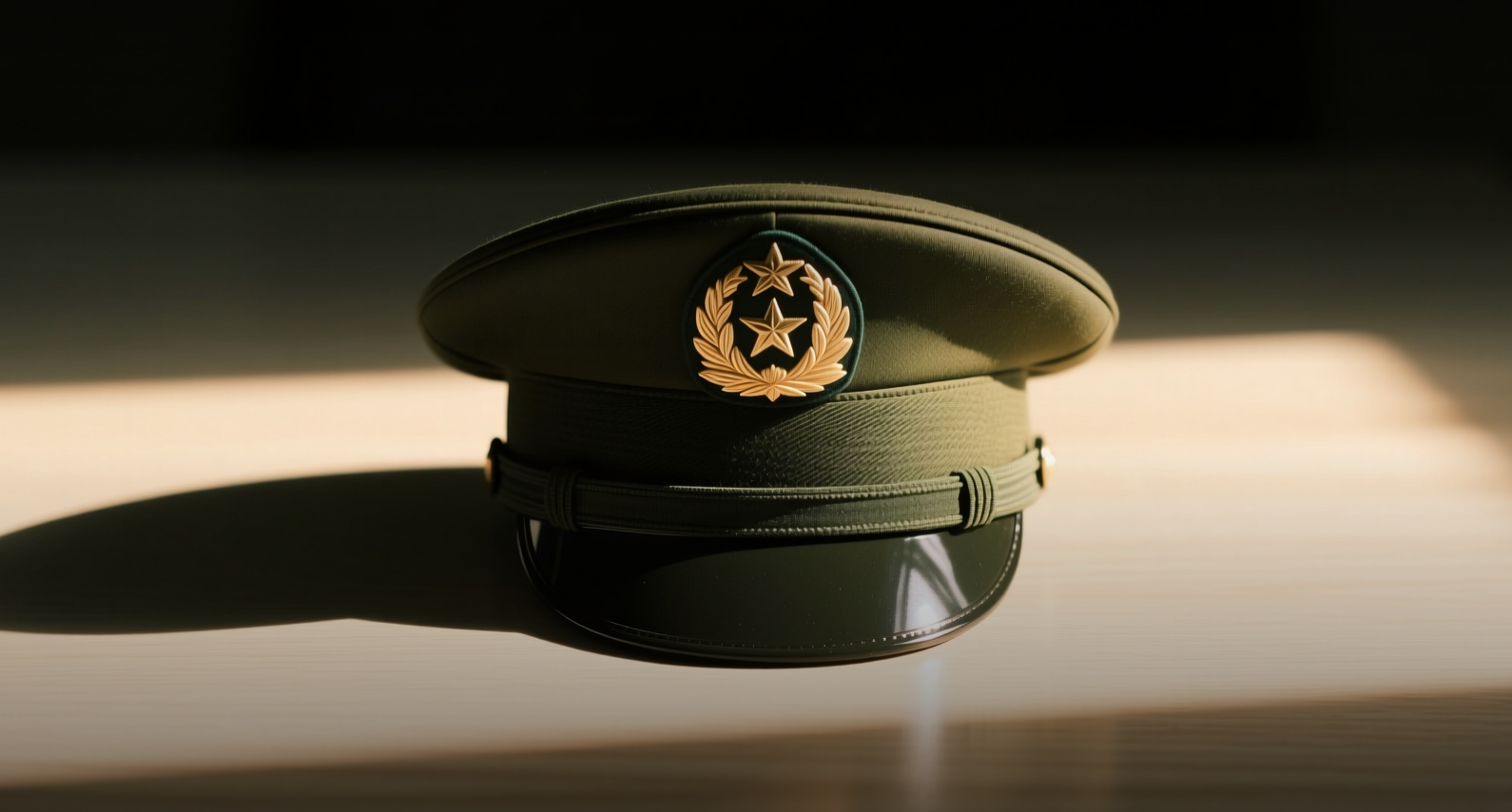
Field Marshal Asim Munir has raised Pakistan's global profile through the Mecca Joint Defense Agreement with Saudi Arabia and Türkiye, yet a stagnant economy and protests that have killed at least 30 people in Kashmir since June threaten to undo his diplomatic gains.
"Historically Pakistan always wanted to be seen as primus inter pares—first among equals—in the Muslim world," said Farzana Shaikh, an expert on Pakistan at Chatham House. "It's getting there, largely because of how Munir is playing his cards."
The pact, signed Aug. 7 in Mecca by Saudi Crown Prince Mohammed bin Salman, Turkish President Recep Tayyip Erdogan and Pakistani Prime Minister Shehbaz Sharif, commits the three to treat an armed attack on one as an attack on all. It extends a Saudi-Pakistani defense agreement signed in September 2025, days after Israel's strike on Qatar, and follows Pakistan's mediation role in the U.S.-Iran conflict that erupted in February.
The stakes are high for a country whose principal international asset is a disciplined 660,000-strong military armed with nuclear weapons. Unless Munir revives the economy and calms a restive population, his diplomatic gains will likely prove evanescent, analysts say.
The Mecca pact is the latest feather in Munir's cap. It keeps Pakistan in international headlines and cements its position as the only nuclear-armed Muslim-majority nation, a status that makes it an attractive partner for Riyadh and Ankara. Turkey fields NATO's second-largest army and a drone industry that has reshaped modern battlefields, while Saudi Arabia brings the Gulf's deepest reserves of capital.
For Pakistan, the pact represents both opportunity and exposure. It lifts Islamabad from a recipient of Gulf support into a security provider of standing, with the industrial and diplomatic prestige that follows. But a collective-defense clause is an obligation as much as an asset. It could draw a state already stretched across its eastern and western frontiers into distant Gulf quarrels, and it risks undermining the mediating role between Washington and Tehran that Islamabad has carefully built.
A Consolidation of Power
Munir, who became army chief in 2022, has consolidated control in ways that make him among Pakistan's most consequential military leaders. Parliament in 2024 extended the chief's term from three years to five years, and with a possible extension he could serve until 2035, the longest tenure in Pakistani history. He has been promoted to field marshal and chief of defense forces, giving him authority over the air force and navy, and Parliament has granted him immunity from prosecution for life. His nemesis, former Prime Minister Imran Khan, has languished in prison for three years.
The consolidation has not translated into domestic stability. Since June, security forces have killed at least 30 people in Pakistan-administered Kashmir who were protesting poor economic conditions and a lack of political representation, according to a civil society organization. The Islamist group Tehreek-e-Taliban, which finds sanctuary in neighboring Afghanistan, has stepped up attacks in Khyber Pakhtunkhwa. Separatists in Balochistan, home to natural gas and copper resources, have countered military repression with economic sabotage and guerrilla warfare.
What the Mecca Pact Means for Markets
The pact's market implications are indirect but real. A more autonomous regional security architecture could reduce the risk premium on Gulf assets, though the agreement's teeth remain untested. The three members have emphasized the pact is defensive and consistent with Article 51 of the United Nations Charter, and officials stress it supplants no existing agreement.
For Washington, the pact reads as a verdict on American reliability. The U.S.-Israeli war on Iran that erupted Feb. 28 has revived questions about the dependability of the American security umbrella, particularly after US bases on Gulf soil did not spare Saudi and Emirati facilities from Iranian fire. The last time regional states sought to diversify security guarantees, oil prices moved sharply as the risk premium shifted—a pattern that could repeat if the pact draws Pakistan deeper into Gulf security.
This article is for informational purposes only and does not constitute investment advice.
