

Nvidia has paused parts of its AI Compute Partnership, a $36 billion financing program that lent credit to AI cloud providers in exchange for a revenue cut, less than two months after launch.
Nvidia has paused parts of its AI Compute Partnership, a $36 billion financing program that lent credit to AI cloud providers in exchange for a revenue cut, less than two months after launch.
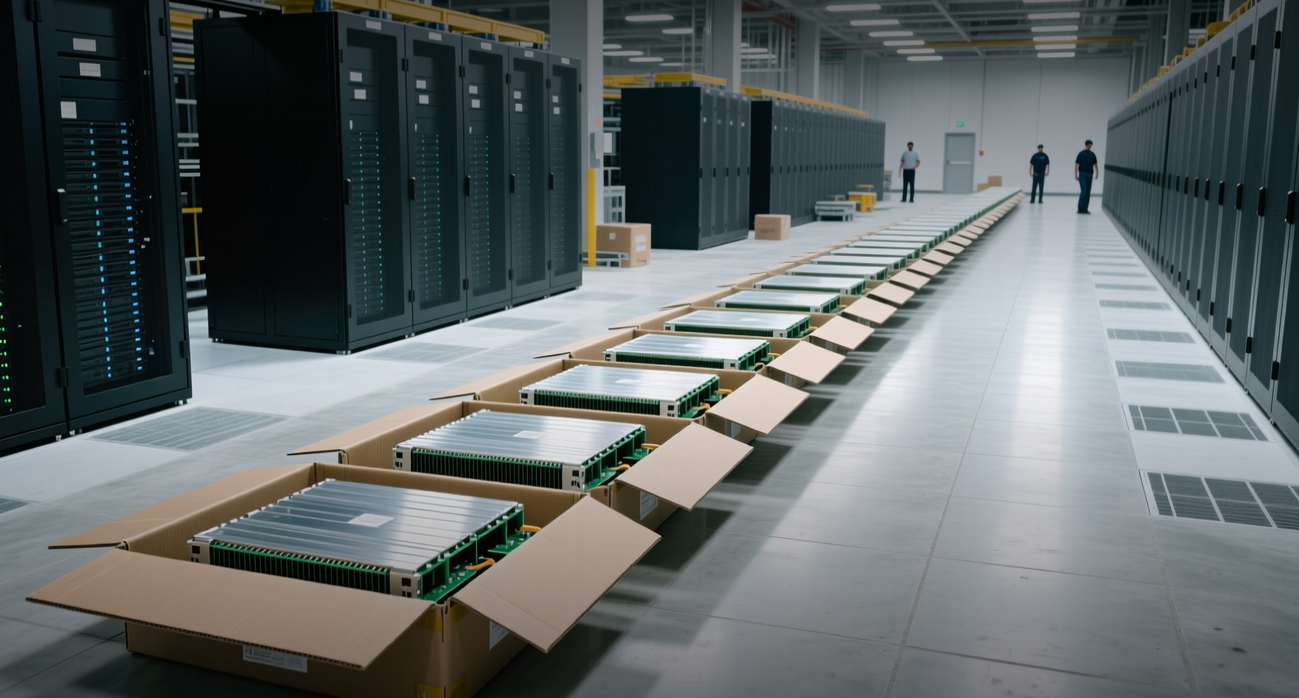
Nvidia has paused parts of its AI Compute Partnership, a financing program that offered credit to AI cloud providers in exchange for a share of their revenue, after employees warned the structure could draw antitrust scrutiny. The chipmaker stepped back from the initiative last week, less than two months after announcing it in July, the Wall Street Journal reported.
"The new business model we introduced in July that opens up compute access to the fast-growing AI ecosystem is still in place and continues to evolve due to high demand," an Nvidia spokesperson said.
Under the program, Nvidia promised to rent back GPU capacity if a cloud provider could not find another customer, giving smaller operators a guaranteed revenue stream to secure financing for billions of dollars in chip and data center investment. Nvidia would collect 50 percent of any cloud revenue above a base hourly rate, on top of the chip sale itself. Initial partners included Sharon AI, which signed for up to 40,000 Grace Blackwell GB300 chips, and Firmus Technologies, which committed to as many as 170,000 accelerators.
The pause removes a financing route for the smallest cloud operators at a moment when Nvidia is deepening its role as lender and landlord of the AI buildout. The company has backstopped $6.3 billion of CoreWeave capacity, arranged a $500 billion financing platform with six financial institutions, and agreed to provide up to $105 billion in guarantees to help OpenAI lease a massive data center.
In the program's early weeks, Nvidia's insistence on control frustrated some prospective partners. The company told certain cloud providers they could only rent its chips to pre-approved customers, and it signaled a preference for spreading capacity across multiple smaller AI firms rather than concentrating it with one large buyer. Several providers objected, arguing that client selection should remain their own prerogative.
Employees raised the related question of how far Nvidia could reasonably go in dictating how its customers run their businesses, according to the Journal. No regulator has opened an inquiry into the program, and none of the reporting suggests one is imminent — the pause came from inside the company.
The pause lands as investors question whether Nvidia's balance-sheet support is inflating AI demand. This month the company helped arrange $500 billion in financing from major U.S. financial institutions for its customers, and it holds more than $40 billion in AI equity stakes taken this year. Nvidia recently scaled back its proposed financial support for OpenAI's large data center project in Ohio, concerned about investor reaction to potential debt liabilities.
A quarterly filing published this week marked the first time Nvidia disclosed the program's scale, revealing $36 billion in total commitments tied to agreements with a typical six-year duration. CFO Colette Kress told investors on a Wednesday call that the revenue-share income could bring in billions of dollars over the medium to long term — a stream now facing added uncertainty.
The controversy has not dented Nvidia's growth. Second-quarter revenue reached $96.22 billion, up 106 percent year over year and above the $92.17 billion consensus, with data center revenue of $89 billion up 117 percent. The company guided to roughly $108 billion for the current quarter and projected about 70 percent revenue growth next fiscal year, far above the 45 percent analysts had expected.
That outlook lifted TSMC's U.S.-listed shares 2.31 percent to $427.30, their highest since Aug. 17. As the primary foundry for Nvidia's Blackwell and Rubin platforms, TSMC benefits directly from rising AI accelerator demand, which supports utilization at advanced nodes and advanced packaging such as CoWoS.
The options market is pricing about 5.4 percent volatility for Nvidia shares after the earnings release, down from 6.5 percent before May's report and below the 7.4 percent historical average. Even so, a move of that size would shift roughly $280 billion in market value for the world's most valuable company. Nvidia shares, which have climbed on the AI buildout, now face a test of whether investors accept a business model that sells chips, extends credit, and takes a cut of customer revenue all at once.
This article is for informational purposes only and does not constitute investment advice.
