


The AI infrastructure boom is creating an unlikely industrial tailwind for Caterpillar as hyperscalers race to power their data centers.
The AI infrastructure boom is creating an unlikely industrial tailwind for Caterpillar as hyperscalers race to power their data centers.
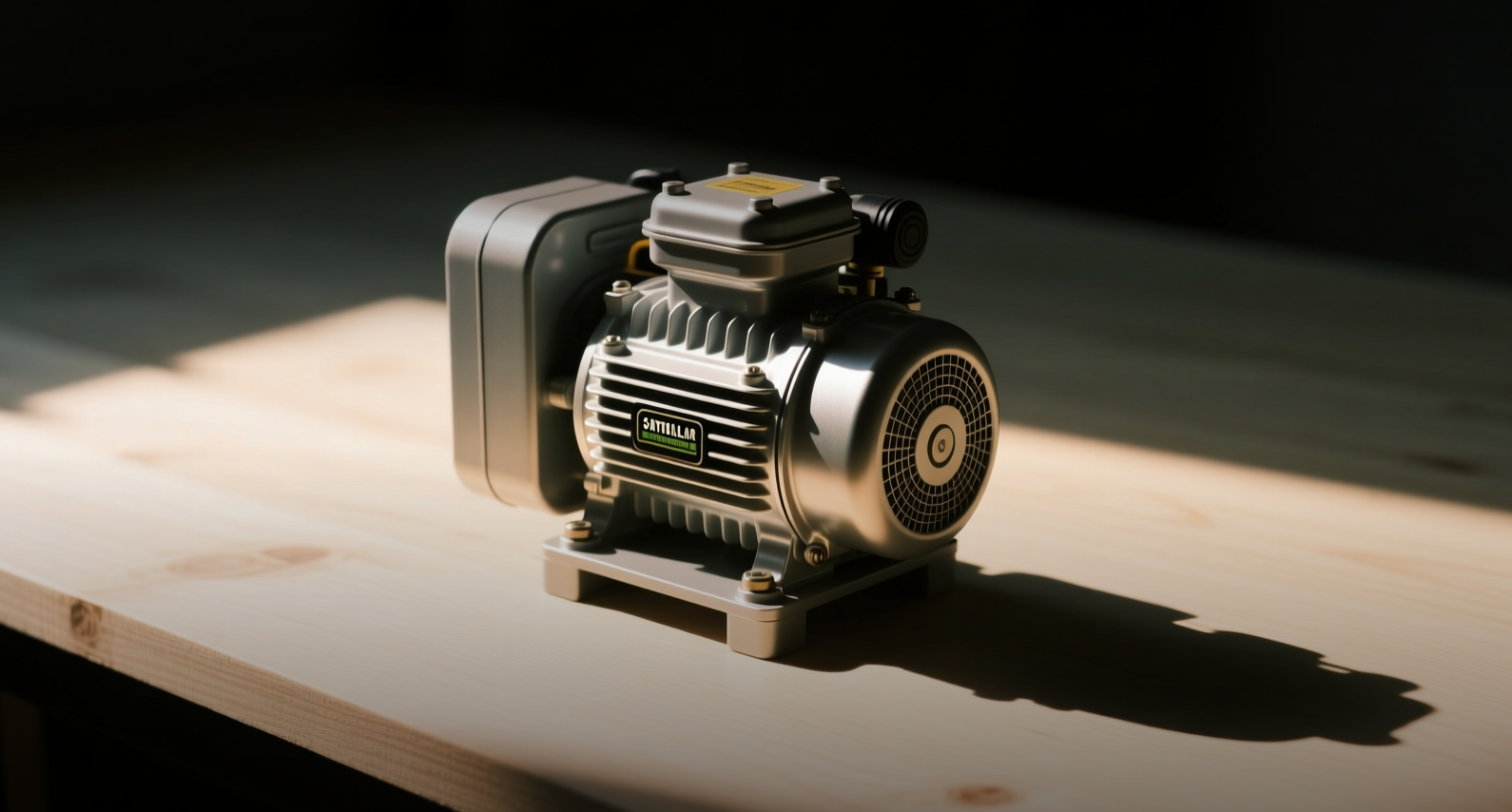
The AI infrastructure boom is creating an unlikely industrial tailwind for Caterpillar as hyperscalers race to power their data centers.
Microsoft's push to spend $190 billion on data centers and AI infrastructure is driving demand for Caterpillar's industrial generators, as hyperscalers seek faster power solutions to accelerate deployment timelines.
"Data center deployment timelines are being compressed from years to months, and power availability is the bottleneck," said Paul Stein, chief executive of Floral Energy, a specialist supplier of off-grid micro-grids for data centers. "It's silly to generate energy at that level, pass it through the grid and take it back out again."
Microsoft projected $190 billion in capital expenditure and finance leases for 2026, including $25 billion from higher component prices as AI chip demand strains memory supply. The company is among four hyperscalers — alongside Amazon, Alphabet and Meta — expected to collectively spend more than $700 billion on infrastructure this year, according to Visible Alpha consensus estimates. Amazon's long-term debt rose 81% to $119 billion in the first quarter, while Alphabet's climbed 111% to $98 billion.
The partnership shows a broader shift: AI infrastructure investment is reshaping supply chains well beyond the technology sector. Caterpillar, best known for mining and construction equipment, is emerging as a critical link in the data center build-out, providing backup generators and power systems that allow facilities to come online faster than waiting for grid connections. For Microsoft, every month of delay in bringing a data center online represents millions in lost AI compute revenue.
The Power Bottleneck
Data center power demand is projected to surge 165% by 2030, according to Goldman Sachs, as tech companies pursue a $7 trillion global CapEx expansion program. That growth is straining both grid infrastructure and component supply chains. Memory prices have already felt the impact: a standard 32GB DDR5 module surged to $282 in the first quarter of 2026 from $94 in late 2025, according to Counterpoint Research, as manufacturers prioritized higher-margin AI server components.
The ripple effects extend to consumer hardware. Microsoft raised the price of its Xbox Series X to $799.99 from $499.99, citing a more than 2.5 times increase in memory and storage costs driven by AI infrastructure demand. "AI server demand continues to drive exceptionally strong demand for high-bandwidth memory," SK hynix said in its earnings commentary.
Generators as a Stopgap
For hyperscalers racing to deploy compute capacity, on-site generators offer a faster alternative to waiting for grid upgrades or new nuclear plants, which can take three to six years for development consent in markets such as the UK. Caterpillar's generator systems can be deployed in weeks, providing temporary or backup power while permanent grid connections are built.
The dynamic creates a symbiotic relationship: Microsoft needs power to monetize its AI investments, and Caterpillar sells the equipment that delivers it. For Caterpillar, data center demand represents a new growth vector beyond its traditional mining and construction markets, potentially smoothing revenue cycles tied to commodity prices.
Investment Angle
Microsoft shares trade at roughly 30 times forward earnings, reflecting investor expectations that AI infrastructure spending will translate into revenue growth. Caterpillar, trading at about 15 times forward earnings, offers a more indirect but potentially less volatile bet on the same trend. The risk for both companies is that AI demand fails to materialize at the scale projected, leaving hyperscalers with stranded assets and Caterpillar with excess generator inventory.
This article is for informational purposes only and does not constitute investment advice.
