
Mexican authorities arrested two suspects in the murders of rock musician Jonathan Meléndez and three others over his $1.5 million Bitcoin hardware wallet, exposing the physical dangers of crypto self-custody.
Mexican authorities arrested two suspects in the murders of rock musician Jonathan Meléndez and three others over his $1.5 million Bitcoin hardware wallet, exposing the physical dangers of crypto self-custody.
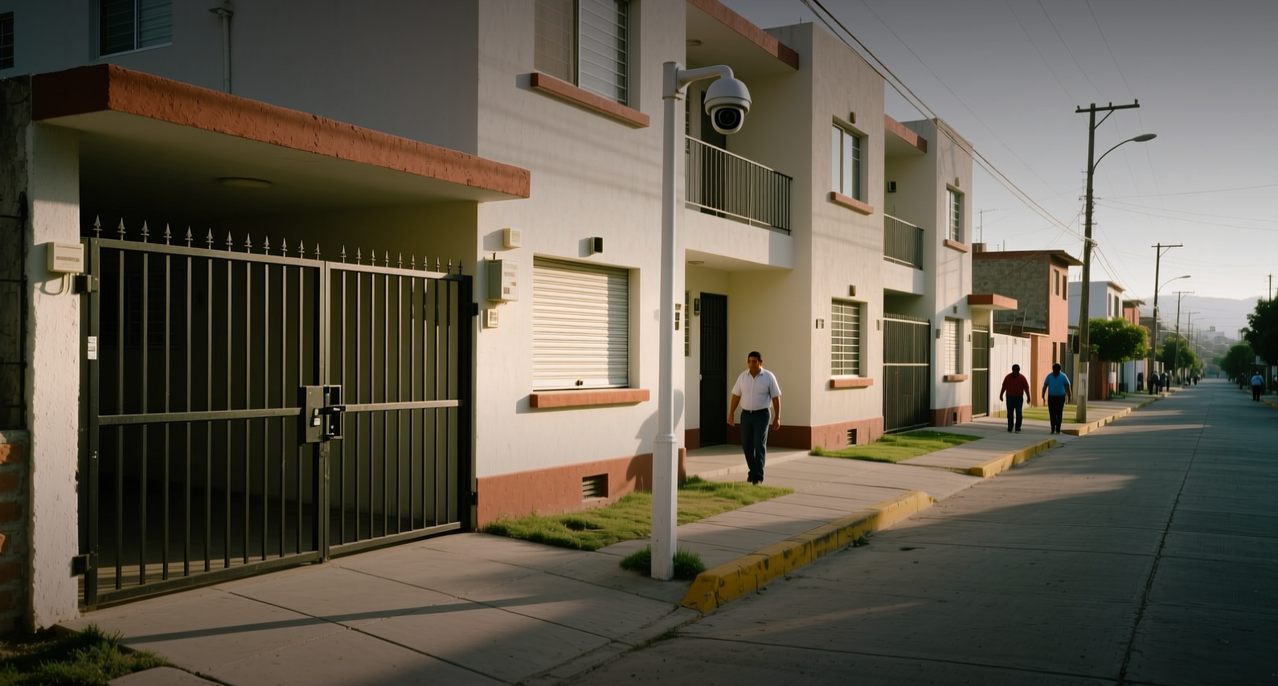
Two suspects are in custody in Mexico after four people were fatally shot in an apartment in Atizapán over a $1.5 million Bitcoin hardware wallet belonging to rock musician Jonathan Meléndez.
"It was a very sad, regrettable situation," President Claudia Sheinbaum said at a press conference Thursday. "The causes of a dispute that the family had with another family are known; it even appeared in the media, and the families are being supported."
The bodies of Meléndez, a member of the band Camilo Séptimo, his four-month-pregnant wife, their three-year-old daughter, and their housemaid were found September 1 in their apartment northwest of Mexico City. All four had gunshot wounds, with Meléndez and his wife found tied at the scene. Secretary of Security and Citizen Protection Omar Garcia Harfuch announced the detentions less than 12 hours after the crimes.
The killings rank among the worst wrench attacks in Mexican history and expose the physical security risks that come with holding large amounts of cryptocurrency in self-custody. Diego Sebastian "N," an associate of Meléndez who used that relationship to gain access to the home, and Gerardo "N," who was promised nearly $120,000 for his collaboration, knew of the victim's crypto holdings and stormed the house seeking the hardware wallet holding the BTC funds.
During the assault, Meléndez threatened the attackers, stressing that other people knew they were there, according to the investigation. That prompted the suspects to leave no witnesses and proceed with the multiple killings. Both now face up to 70 years in prison for each victim of first-degree murder.
The case sharpens a debate that has simmered in the crypto community as digital assets gain wider adoption for savings and daily payments. Hardware wallets from manufacturers such as Ledger and Trezor offer strong protection against remote theft, but they do nothing to deter physical coercion — a gap that security researchers have long flagged. The attack follows a pattern of wrench attacks internationally, where exchange executives and high-profile holders have been targeted for their balances.
For holders with significant positions, the incident raises practical questions about custody architecture. Multi-signature setups that split signing authority across trusted parties, passphrase-protected wallets that conceal the true balance, and third-party custody services for large allocations are among the mitigations security professionals recommend. Privacy also matters: Meléndez's holdings were known to his associate, which investigators say is what made him a target.
The case may also shape regulatory conversations in Mexico and Latin America, where crypto adoption has grown steadily. President Sheinbaum acknowledged the case publicly, and Mexican authorities have been examining digital asset policy as the region's user base expands. Whether that leads to formal custody guidance or consumer-protection rules remains to be seen, but the human cost of self-custody failure is now on the record.
This article is for informational purposes only and does not constitute investment advice.
