


US memory chip makers extended a sector-wide rally into Monday pre-market trading, with SanDisk leading gains of nearly 6 percent.
US memory chip makers extended a sector-wide rally into Monday pre-market trading, with SanDisk leading gains of nearly 6 percent.
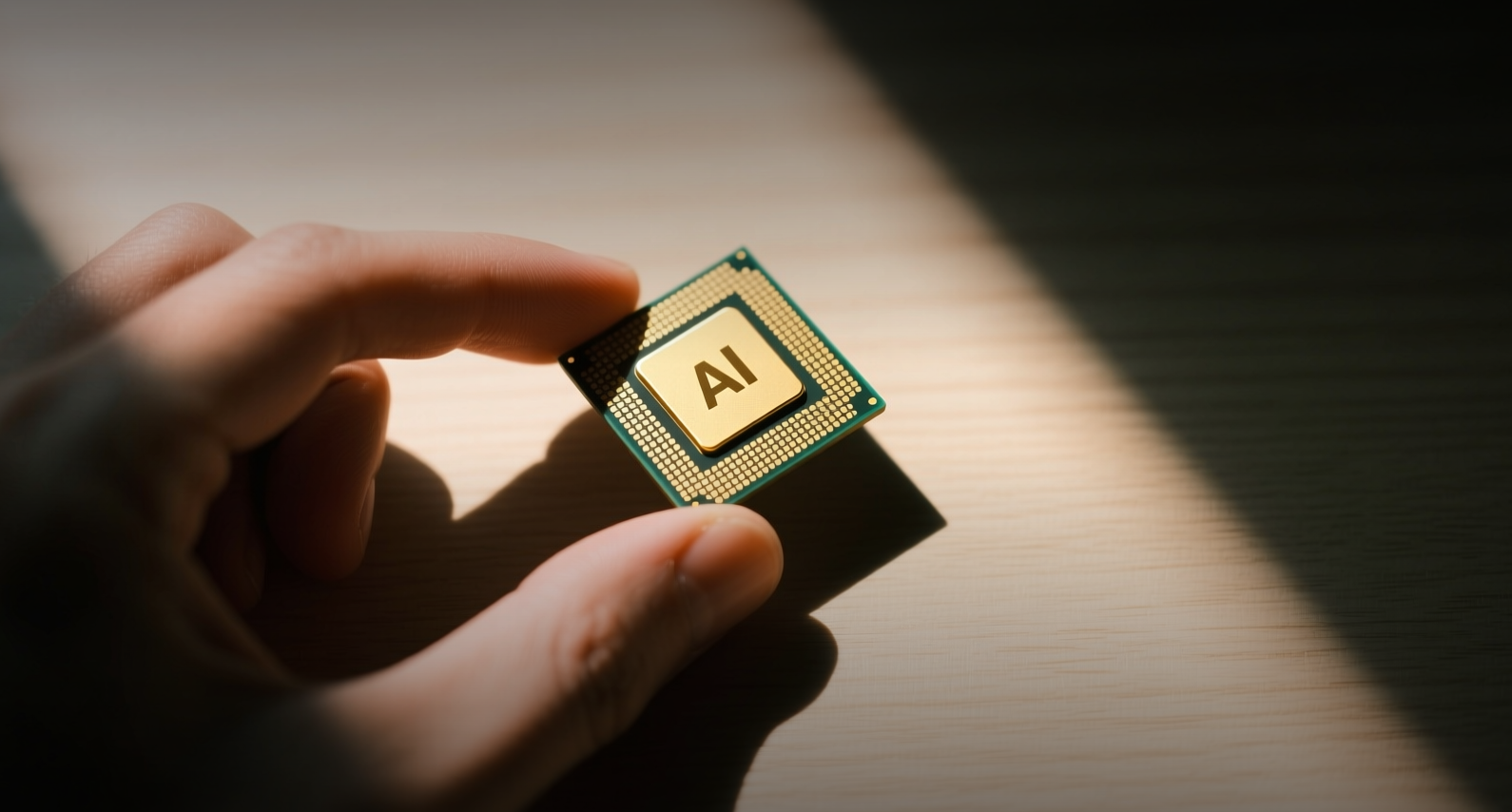
US memory chip stocks extended a sector-wide rally into Monday pre-market trading, with SanDisk up nearly 6 percent, as AI-driven demand for high-bandwidth memory keeps DRAM and NAND prices climbing.
Micron Technology Chief Executive Sanjay Mehrotra said the company can meet only 50 percent to two-thirds of demand from certain key customers, calling it "the largest supply-demand gap in history."
SanDisk rose nearly 6 percent, while Western Digital and SK Hynix ADRs gained nearly 4 percent and Micron added more than 3 percent. The moves follow a week in which SanDisk climbed 35.38 percent, SK Hynix ADR rose 20.61 percent and Micron gained 10.72 percent, against a 0.14 percent rise in the Nasdaq.
The rally rests on a genuine shortage rather than speculation. Spot prices for DDR5 (16Gb) have more than quadrupled since November 2025, and TrendForce data shows contract prices for standard DRAM jumped 93 percent to 98 percent quarter-on-quarter in the first quarter of 2026, then rose another 53 percent to 58 percent in the second.
A single HBM die consumes three to four times the wafer resources of standard DDR5, continuously diverting capacity away from general-purpose memory. That dynamic has pushed earnings growth far ahead of share prices. Micron's revenue jumped 345.7 percent year-over-year in the third quarter of fiscal 2026, while SanDisk's fourth-quarter revenue grew 372 percent, leaving trailing price-to-earnings ratios — SanDisk trades at about 19.51 times — systematically behind fundamentals.
The demand outlook has drawn record capital commitments. On July 24, Nvidia and SK Group unveiled a partnership worth more than $500 billion over several years to lock down AI memory supply and build data centers expected online in 2027. SK Hynix's board on Aug. 8 approved roughly $38.3 billion in additional expansion across two domestic sites through 2031. South Korea's semiconductor exports rose 155 percent year-over-year in early August, according to industry data.
The pure-play Roundhill Memory ETF, launched April 2 with a 0.65 percent expense ratio, concentrates risk in a handful of names. Micron (25.42 percent), Samsung Electronics (25.4 percent) and SK Hynix (20.44 percent) account for more than 70 percent of holdings, exposing the fund to South Korean won currency swings. The ETF fell nearly 35 percent from its June 22 peak of $81.34 to late July before rebounding about 30 percent.
Forecasts for the cycle's duration diverge sharply. Goldman Sachs projects tight supply and demand through 2028, while BOCOM International sees it lasting at least until the fourth quarter of 2027. Morgan Stanley, by contrast, expects year-over-year growth in DRAM contract prices to peak in the fourth quarter of 2026 — a warning that the market may price in changing expectations before prices actually fall.
Micron's fiscal fourth-quarter earnings, due imminently, will test whether the rally has room to run. For investors, the memory supercycle thesis looks intact, but the DRAM ETF's 30 percent rebound from its July low suggests the near-term gains are partly priced in. Tactical buyers may prefer phased accumulation; long-term allocators face entry-price risk against a backdrop of conflicting institutional forecasts.
This article is for informational purposes only and does not constitute investment advice.
