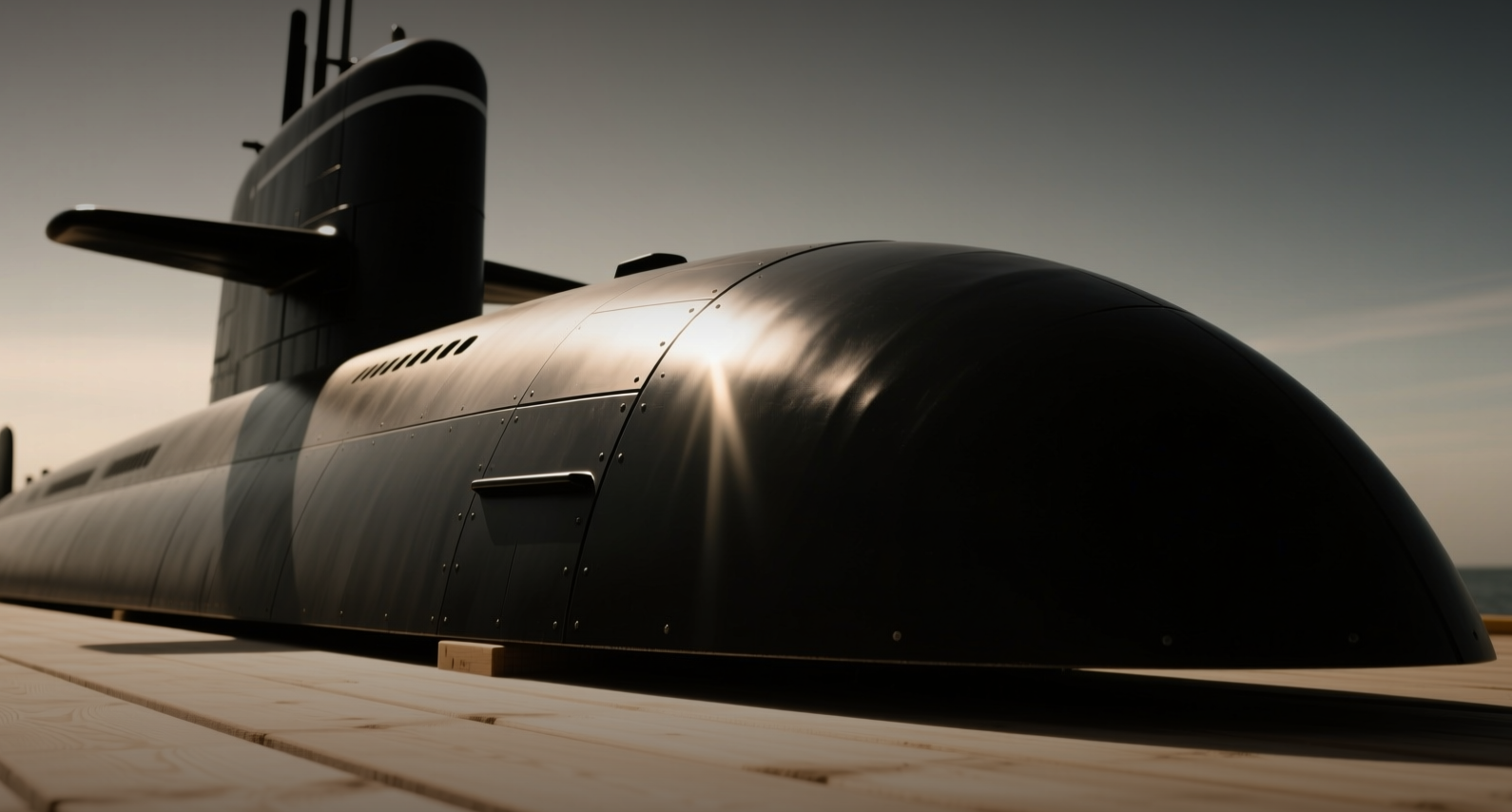
JPMorgan Chase is betting that American shipbuilding can stage a comeback, committing $24 million to Philadelphia's Navy Yard as part of a broader push to rebuild the nation's defense industrial base.
JPMorgan Chase & Co. announced $24 million in loans, tax-credit investments and grants to expand Philadelphia's shipbuilding and maritime manufacturing capacity, with the bulk of the funding directed at a new submarine assembly facility expected to create 450 permanent jobs. The investment comes as the Trump administration presses for a major expansion of U.S. shipbuilding to counter China's dominance of global maritime production.
"America can compete and lead in shipbuilding again — it starts with more skilled workers and secure supply chains," Jamie Dimon, chairman and CEO of JPMorganChase, said in a statement. "We need to train people for the jobs shipbuilders urgently need, connect them to good careers and strengthen the suppliers and partners that keep a shipyard running."
The $24 million package includes a $13 million New Markets Tax Credit equity investment in Rhoads Industries, which is building a 95,000-square-foot submarine manufacturing and assembly facility at the Philadelphia Navy Yard. The company last year announced a separate $100 million expansion and said it would nearly double its workforce to close to 1,000 employees. Rhoads assembles electric propulsion units for Northrop Grumman's Navy submarines and provides services to General Dynamics' submarine division.
Additional funding includes a $5 million low-cost loan to PIDC Community Capital to support small business lending, a $1.5 million grant to help as many as 100 local maritime suppliers with technical assistance, a $2.4 million grant to the Greater Philadelphia Growth Partnership for regional job-creation activities, and a $2 million grant to the Skills Initiative at University City District to train nearly 300 residents for shipbuilding and advanced manufacturing roles.
The national security stakes are steep, and the numbers illustrate the scale of the challenge.
The U.S. builds less than 1% of new commercial ships globally and maintains fewer than 190 flagged merchant vessels, many built abroad — down from nearly 3,000 in the 1960s, according to JPMorgan research. China produced about half of the world's vessels over the same period. A recent report from the JPMorganChase PolicyCenter and Center for Geopolitics estimated demand for 250,000 new skilled shipbuilding workers over the next decade.
The investment draws on two firmwide programs: the American Dream Initiative, a multi-year effort to expand opportunity through local investments, and the Security and Resiliency Initiative, a $1.5 trillion, 10-year plan to finance industries critical to U.S. economic and national security. The latter includes shipbuilding as a priority sector.
Philadelphia is positioning itself as a hub for this revival. Korean shipbuilder Hanwha last year announced a $5 billion infrastructure plan for its South Philadelphia shipyard, acquired in 2024, with plans to hire up to 10,000 people over five years to produce liquefied natural gas carriers, oil tankers and components for Navy vessels. The Navy Yard already hosts 16,000 jobs across maritime industries, advanced manufacturing and life sciences.
"Philadelphia has always been a city that builds," said Jodie Harris, president of PIDC, the city's public-private economic development corporation. "Strengthening the shipbuilding ecosystem is an opportunity to create quality jobs, support local businesses and invest in the workforce that will power the next generation of advanced manufacturing."
Chris Scafario, CEO of the Delaware Valley Industrial Resource Center, described the moment as a generational shift. "There are hundreds, if not thousands, of open positions that are being created or are created, waiting for the skilled workforce to sign on and be a part of just an incredible career path that's going to really reshape the region's industrial base," he said. "Manufacturing careers once again provide this on-ramp to a middle and maybe even upper-middle class that was almost unimaginable as little as 10 years ago."
For JPMorgan, the Philadelphia investment represents what Scafario called a "trial balloon" — a test of whether targeted capital can help rebuild a sector that has atrophied for decades. If successful, it could signal a broader pivot by the largest U.S. bank toward financing the industrial base that policymakers in both parties have identified as a strategic priority.
This article is for informational purposes only and does not constitute investment advice.