

A California startup secured preliminary US backing for as much as $3 billion in loans to build a radical blended-wing jetliner that could challenge Boeing.
A California startup secured preliminary US backing for as much as $3 billion in loans to build a radical blended-wing jetliner that could challenge Boeing.
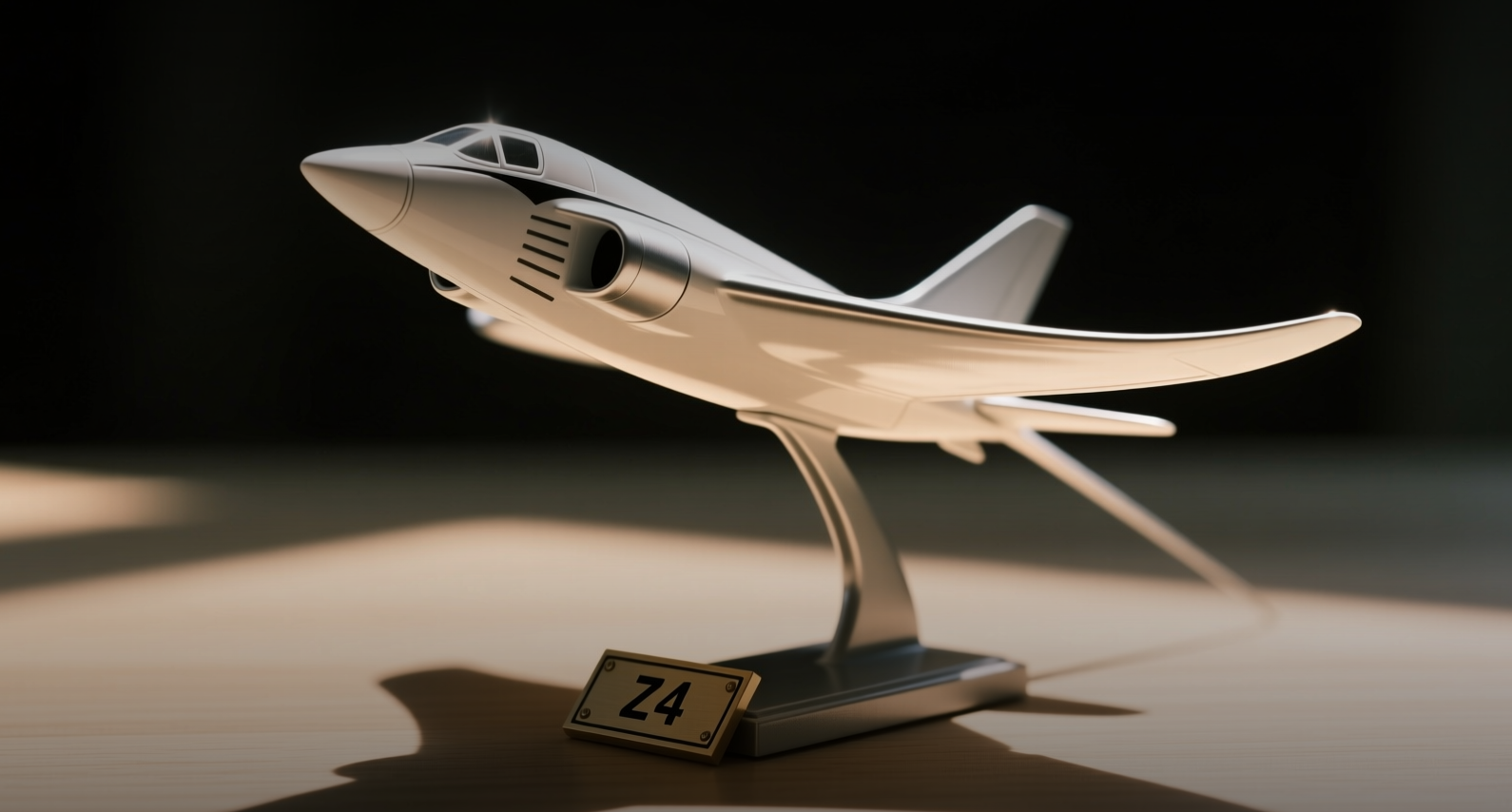
A California startup secured preliminary US backing for as much as $3 billion in loans to build a radical blended-wing jetliner that could challenge Boeing.
JetZero reached a preliminary deal with the US Export-Import Bank for as much as $3 billion in loans and guarantees to build its first factory, advancing a blended-wing aircraft design that the startup says will be 30% more fuel efficient than Boeing's 787.
"The question's a good one — is it real?" said Tom O'Leary, chief executive of JetZero, in an interview. "How real it is is effectively, 'Where's all the money coming from?'"
The Long Beach, California-based company has separately secured $235 million from the US Air Force to build a prototype, with backing from Northrop Grumman and RTX, which is supplying Pratt & Whitney engines for the first demonstrator. United Airlines has a conditional order for 200 of the Z4 aircraft, while Delta Air Lines and Alaska Airlines have also signed on. The Z4, which seats about 250 passengers and flies about 10,000 feet higher than current airliners, targets a range of 5,000 nautical miles — filling a gap between the largest narrowbodies and smallest wide-bodies that Boeing left open after halting plans to replace its 757 and 767 during the 737 MAX crisis.
If JetZero succeeds, the blended-wing Z4 would mark the biggest shift in passenger-jetliner design since the Concorde, breaking Boeing's seven-decade hold on the tube-with-wings blueprint. The company broke ground on a manufacturing facility in Greensboro, North Carolina in June, with a full-scale prototype set to fly by the end of 2027 and entry into service possible from the early 2030s — though O'Leary said the timeline depends on FAA safety approvals.
The Ex-Im Bank preliminary agreement, reached under its Make More in America Initiative, is helping JetZero answer what O'Leary described as the central question dogging the startup: whether its radical design is real enough to attract the capital needed for production. The bank's chairman said he wants the loan deal fast-tracked.
JetZero's aircraft looks more like a manta ray than the cylindrical fuselage that has defined commercial aviation for more than 70 years. The design replaces passenger windows with digital screens and adds a skylight to flood the cabin with natural light. Each seat has its own overhead luggage compartment, and each toilet has a dedicated waiting space, the company said.
The Efficiency Math
The blended-wing concept is not new — NASA began updating research into it about 30 years ago, spending more than $1 billion and test-flying prototypes in partnership with Boeing. The agency sought to determine how much fuel efficiency could be extracted from a profoundly more aerodynamic shape that maximizes lift while reducing weight and drag. JetZero's answer: about 30% compared with later-generation jets like the 787.
Almost all of the Z4's components — from flight controls to the use of previous-generation engines on its demonstrator — are taken from existing planes that have already received FAA approval. The main innovation is the shape in which those components are assembled, O'Leary said.
The Skeptics and the Competition
Critics of the blended-wing design have long cited potential passenger motion sickness from higher gravitational forces in the wing seats, exacerbated by the lack of physical windows. The quad-aisle layout also changes how an evacuation would play out, and airport jetways were not designed to handle such aircraft. JetZero says it has answers for each concern.
Airbus had promoted a similar blended-wing concept as part of its futuristic aircraft studies but ultimately shelved the plans, concluding the jet would need to be too large to take advantage of the aerodynamic efficiencies, according to a person familiar with the decision. Natilus, another California-based startup, is working on a smaller blended-wing aircraft that would compete more directly with the narrowbodies that dominate Airbus and Boeing's order backlogs.
"If you look at the industry as a whole, I think everybody's ready for something new," said Aleksey Matyushev, chief executive of Natilus.
In closed-door sessions each quarter, JetZero's team presents specific elements of the Z4 — cabin layout, flight controls, cargo doors — to specialists from its airline backers. After each two-day briefing, the JetZero team leaves the room and the airline representatives discuss privately what they dislike about the aircraft. O'Leary said the sessions have been critical in helping JetZero tweak the design to mesh with decades-old airport infrastructure and operating norms.
This article is for informational purposes only and does not constitute investment advice.
