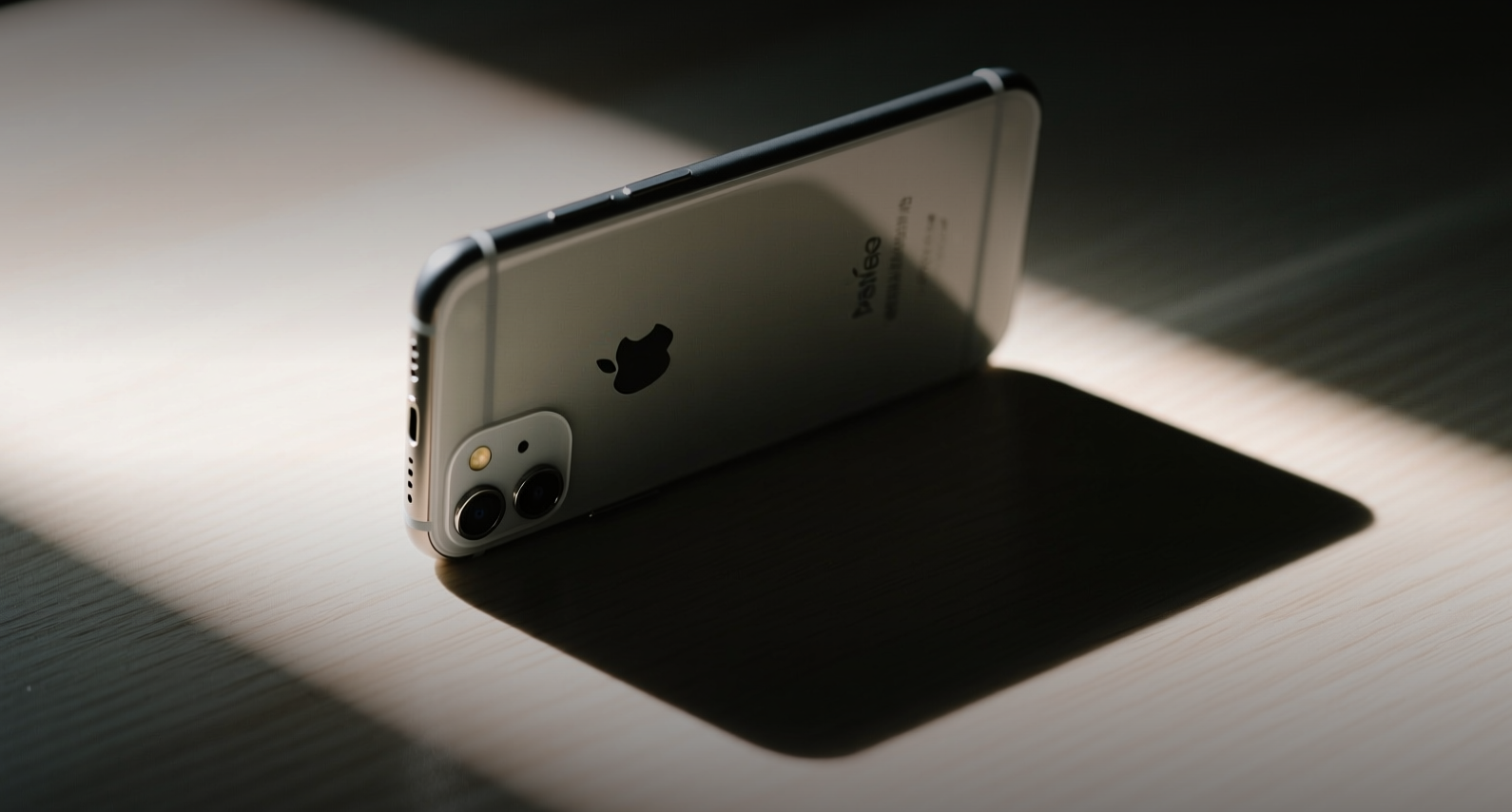
Jefferies downgraded Apple to Underperform, cutting its price target to $263.66 from $285.56 after supply chain checks showed the all-glass iPhone 20 was cancelled.
"The all-glass iPhone has been cancelled due to low yield," Edison Lee, analyst at Jefferies, said. "We view this as a major setback to efforts to bring in higher-priced iPhones."
The downgrade brings the number of sell-equivalent ratings on Apple to six, the highest since 2012. Of the 47 analysts covering the stock, 30 have buy or strong buy ratings, 14 hold, and three underperform, according to LSEG data. The consensus average price target is $319.48, with the highest at $400. The new Jefferies target implies nearly 16 percent downside from Friday's close. Apple shares closed at $313.33 on Friday and fell about 1.2 percent in pre-market trading Monday, down roughly 8 percent from recent highs.
Lee said the foldable iPhone, slated for September 2026, is now the "only key driver of higher ASP and margin," but surging memory costs could push its starting price above $2,000, making it a niche product. Jefferies also cut its fiscal 2028 EPS forecast by 2.1 percent. The analyst consensus score for Apple has fallen to 3.88 out of 5, the lowest since 2019, with buy-rated analyst proportion below 60 percent versus more than 90 percent for Microsoft, Amazon, and Nvidia.
The all-glass design was expected to migrate to iPhone Pro and Pro Max models, further raising their average selling price and margin, Lee wrote. The cancellation shows that introducing new form factors to drive higher ASP "is more difficult than expected."
The downgrade follows a weak sales outlook from Apple's most recent quarterly report, which cited component shortages. The stock remains up 15 percent year to date despite the recent pullback.
Jefferies has been persistently bearish on Apple, with its price target having remained below the actual stock price for years. The firm is one of three on Wall Street with an Underperform rating on the stock. KeyBanc Capital Markets also downgraded Apple to Underweight last month, citing concerns about demand and valuation. The broader memory supply crisis, which has pushed RAM and flash prices higher across the industry, adds further pressure to Apple's component costs.
The growing sell-side skepticism tests Apple's premium-pricing narrative as memory costs rise across the industry. Investors will watch the iPhone 18 launch cycle and the foldable iPhone debut in September for signs of whether Apple can sustain its ASP growth trajectory.
This article is for informational purposes only and does not constitute investment advice.