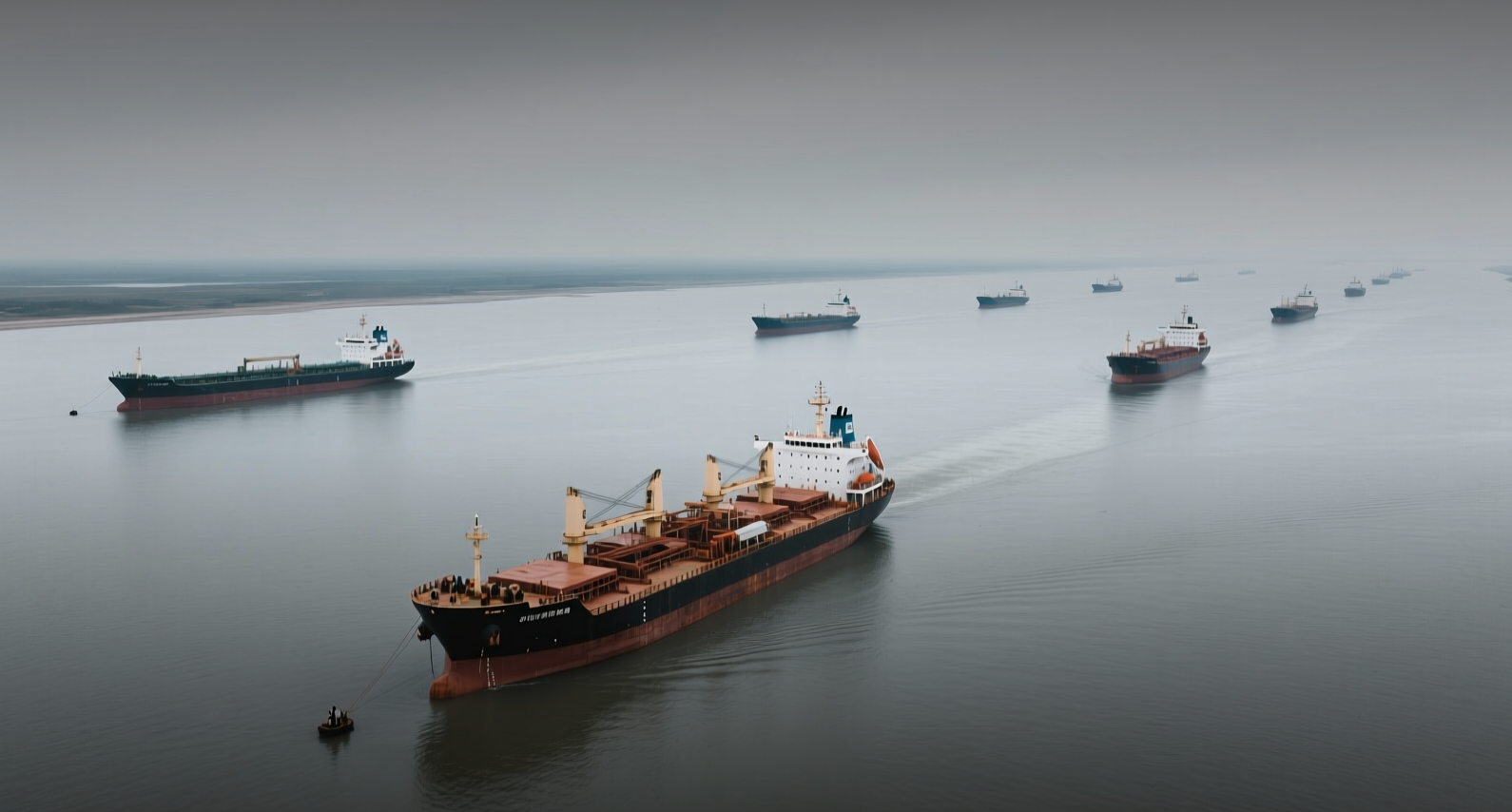
Six months after U.S. and Israeli strikes on Iran triggered the largest oil supply crisis on record, countries affected by conflict now produce more than 43 percent of the world's crude, a concentration of risk that has eclipsed every previous energy shock.
Almost half the world's oil comes from nations embroiled in conflict in 2026, Reuters calculations using International Energy Agency data show. Together, countries hit by the Iran war, the Russia-Ukraine conflict, fighting in Libya and U.S. restrictions on Venezuelan exports produced about 45 million barrels per day based on 2025 output, accounting for more than 43 percent of global supply.
"The scale of simultaneous supply disruption is without precedent in the modern oil era," said Elena Fischer, a geopolitical risk analyst covering sanctions and energy trade. "The market has lost its shock absorber — emergency stockpiles are largely spent, and spare capacity is concentrated in the very region that is shut."
The current Gulf disruption stands at roughly 5 million to 7 million barrels per day, according to analyst estimates, with Saudi Arabia re-routing crude to the Red Sea and Gulf exporters moving oil covertly out of the Strait of Hormuz. The conflicts in the Gulf and Ukraine have also cut global refining capacity by about a tenth, while Ukraine has struck Russian plants as far away as Omsk, 2,700 km from Ukrainian-held territory. Russia has banned gasoline and diesel exports as it grapples with fuel shortages.
The transmission into prices and macro policy has been severe. Brent crude has surpassed $93 a barrel while WTI settled near $85, and U.S. diesel prices have climbed to record levels even with refiners running at peak capacity. Higher fuel costs have become a key driver of inflation, lifting borrowing costs and helping push U.S. debt to a record $40 trillion. The IEA has released record volumes from emergency stockpiles — about 400 million barrels — but those releases are now largely complete even as global inventories continue to decline.
China's 80% share of Iranian crude becomes the enforcement flashpoint
Beijing purchases more than 80 percent of Iran's seaborne crude exports, making it the largest source of hard-currency revenue for Tehran and the most consequential third-party lever for Washington. Chinese imports of Iranian crude peaked near 1.58 million barrels per day earlier in 2026 before the war and U.S. naval blockade compressed flows; by August shipments had fallen to roughly 534,000 barrels per day, down from 823,000 in July, according to Reuters.
The Trump administration's phased "economic D-Day" sanctions campaign has so far spared China's major banks, a deliberate restraint ahead of a scheduled Trump-Xi summit in late September. Treasury Secretary Scott Bessent has signaled a significant financial-institution announcement is imminent, and private warnings have been issued to at least two larger Chinese banks over Iranian fund flows. Sanctioning a major Chinese bank would risk destabilizing the November 2025 bilateral trade framework covering U.S. tariffs and Chinese rare-earth commitments.
Iraq, Turkey and the UAE absorb the collateral damage
Iraq is the most acute near-term casualty. Southern export volumes collapsed by roughly 75 percent after the Hormuz closure, compressing monthly oil revenues to about $1.2 billion — a level that cannot sustain public-sector wages or debt service. Iranian gas still supplies 30 to 40 percent of Iraq's electricity generation, and full enforcement of secondary sanctions would trigger rolling blackouts across millions of households.
Turkey entered the crisis structurally weakened: its 25-year gas supply agreement with Iran, covering up to 9.6 billion cubic metres annually via the Tabriz-Ankara pipeline, expired at the end of July 2026 with renegotiation impossible during active conflict. Fuel price inflation has reached about 50 percent, and energy import costs are projected to exceed export revenues by up to $40 billion this year. The UAE, by contrast, moved ahead of Washington's enforcement timeline, suspending all financial and economic dealings with Iran on Aug. 19 after detecting missile launches near Emirati waters — severing a relationship that had channeled roughly $21 billion in annual exports.
The last comparable shock was the 1973 oil embargo, when supply losses of roughly 5 percent of global output quadrupled prices within months. Today's disruption is far larger in absolute terms, and the structural paradox is that the more comprehensively Washington enforces secondary sanctions, the greater the economic damage to allies and critical trade partners. If enforcement escalates to a major Chinese bank, Iranian exports could fall below 300,000 barrels per day and Brent could test the $100 to $110 range, materially raising global recession risk.
This article is for informational purposes only and does not constitute investment advice.