
ICBC will issue new A shares worth up to RMB100 billion to the Ministry of Finance and tobacco groups, using the proceeds to strengthen its core tier-1 capital under a five-year lock-up.
ICBC will issue new A shares worth up to RMB100 billion to the Ministry of Finance and tobacco groups, using the proceeds to strengthen its core tier-1 capital under a five-year lock-up.
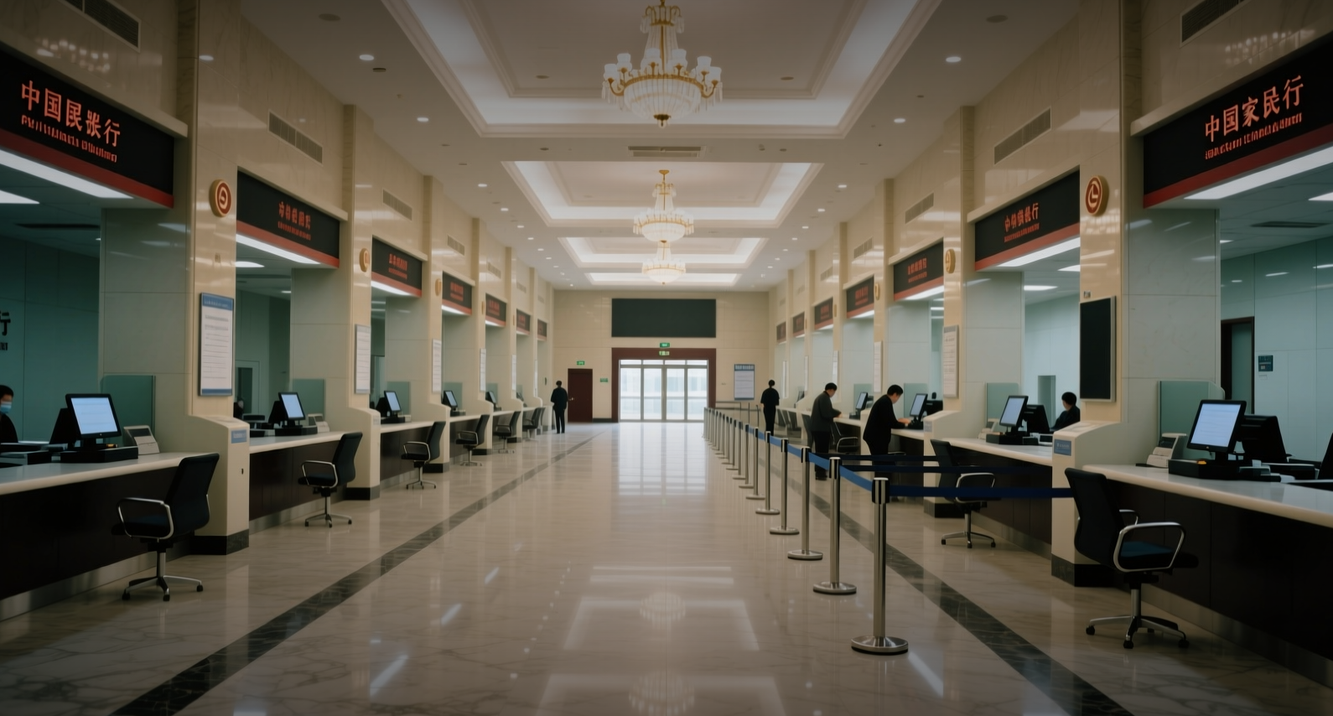
China's biggest lender is turning to the state for a capital lifeline, with the Ministry of Finance set to take RMB70 billion of a planned RMB100 billion A-share sale that could become a blueprint for rivals facing the same squeeze.
JPMorgan analysts, who this week said state-owned Chinese banks beat expectations in the second quarter and lifted regular payout ratios for the first time, upgraded Postal Savings Bank of China to Overweight. The placement extends a push by Beijing to reinforce the balance sheets of systemically important lenders as economic growth cools.
Under the proposal, ICBC will issue new A shares under a general mandate to the MOF and five tobacco-related buyers — China Tobacco at RMB10 billion, Shanghai Tobacco Group at RMB5 billion, China Tobacco Yunnan at RMB5 billion, China Tobacco Hunan at RMB5 billion and China National Tobacco Corporation Hunan at RMB5 billion — all under a five-year lock-up. After issuance expenses, the proceeds will replenish core tier-1 capital, the highest-quality buffer regulators lean on to absorb losses. ICBC shares fell 1.7 percent in Hong Kong, with short selling at 13.2 percent of turnover.
The raise answers a capital adequacy squeeze at China's biggest banks, whose core tier-1 buffers have thinned as they absorb credit losses and fund lending into a weak property market. Beijing is channeling roughly $54 billion into state banks and insurers in a capital-boosting push, according to reports. If peers adopt ICBC's model, the resulting dilution could weigh on bank share prices even as it hardens the system's resilience.
The last comparable state recapitalization came in the late 1990s and early 2000s, when Beijing injected hundreds of billions of dollars into the big four lenders ahead of their listings. That round cleared non-performing loans and preceded a decade of rapid balance-sheet growth. This time the injections are smaller relative to assets and aim to preserve capital buffers rather than clean up bad debt, a distinction that shapes how investors read the move.
The five-year lock-up ties the MOF and the tobacco groups to ICBC's shares for the medium term, removing near-term selling pressure from the placement. Yet the issuance still expands the share count, and the dilution math matters for a stock trading with short interest above 13 percent. Investors will watch whether Agricultural Bank of China, Bank of China and China Construction Bank announce similar MOF-backed raises in coming quarters, since each must weigh the capital benefit against the earnings-per-share drag on existing holders.
JPMorgan's upgrade of PSBC points to divergence within the sector, with better-capitalized lenders favored over those that must dilute to rebuild buffers. For ICBC, the placement locks in state backing at a time when its core tier-1 ratio faces pressure from loan growth and property-related provisions, giving the bank room to keep lending into the slowdown without eroding its safety cushion.
This article is for informational purposes only and does not constitute investment advice.
