
Renewed U.S.-Iran strikes have extended the Strait of Hormuz disruption beyond 2026, with tanker leader Mitsui OSK ruling out a return to the chokepoint and keeping freight rates elevated.
Renewed U.S.-Iran strikes have extended the Strait of Hormuz disruption beyond 2026, with tanker leader Mitsui OSK ruling out a return to the chokepoint and keeping freight rates elevated.
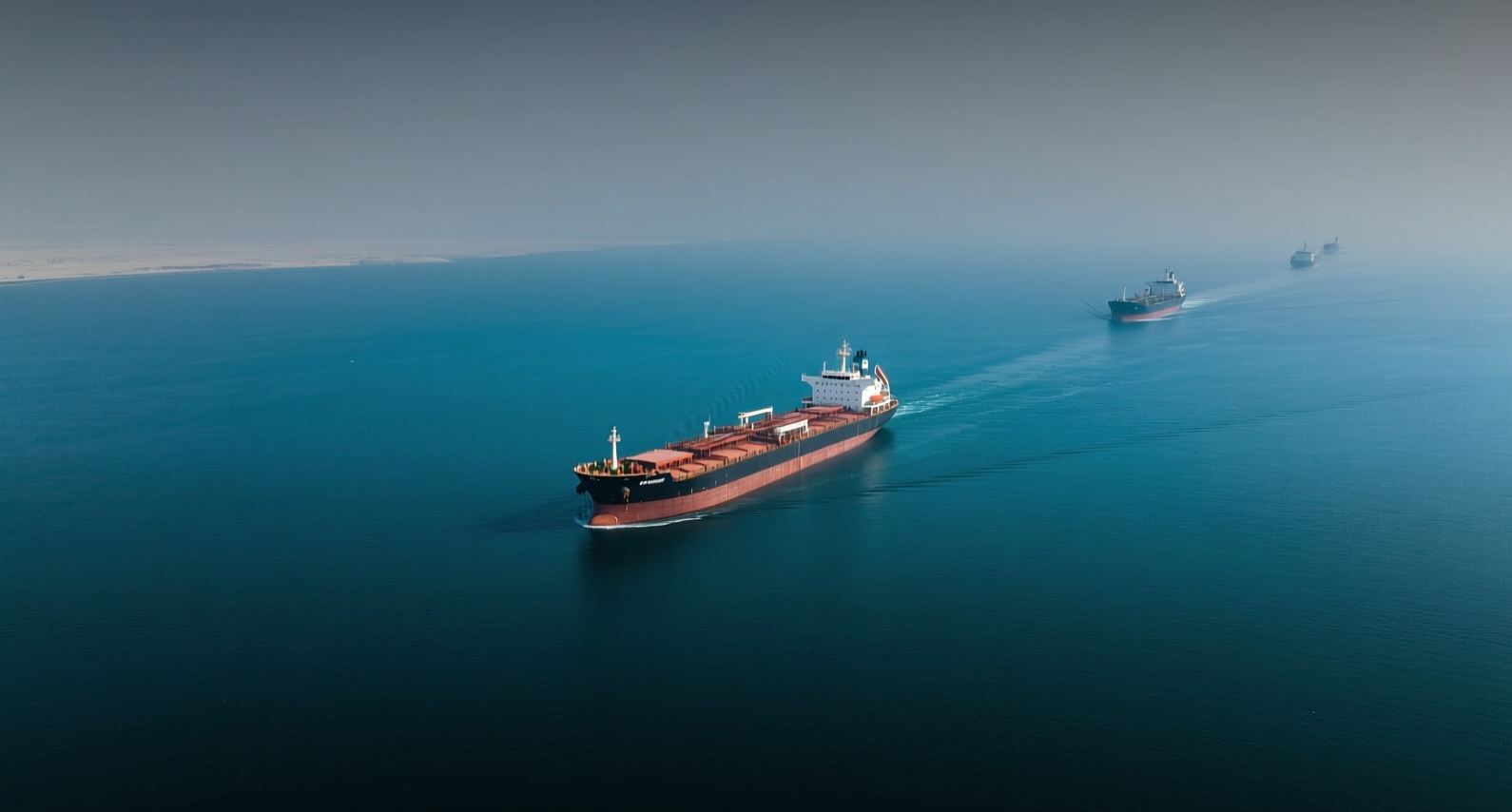
The re-escalation of U.S.-Iran hostilities has pushed the Strait of Hormuz crisis past the point where the world's largest tanker operator expects normal shipping before 2027, threatening a 68 percent shipping stock rally.
"The situation continues to be well beyond the level of risk we can accept," Jotaro Tamura, chief executive of Mitsui OSK Lines, told Bloomberg in an interview published Thursday.
In a quarterly financial report last month, Mitsui OSK assumed navigation around the Strait of Hormuz would gradually resume from October 2026 and be normalized in January 2027. The recent flare-up — the first strikes the U.S. and Iran exchanged in more than a month — has led to deterioration, Tamura said. The tanker giant does not plan to return to shipping oil through the chokepoint until it sees guarantees and evidence of sustainably safe passage.
The stakes for investors are high. A basket of 35 shipping stocks listed in the U.S. and Europe tracked by Lloyd's List Intelligence has climbed about 68 percent this year, more than five times the S&P 500's gain, and 82 percent over the past 12 months. Crude oil tanker stocks lead the rally with a 120 percent year-to-date advance, followed by car carriers, liquefied gas carriers and dry bulk ships.
The multi-month crisis has turned shipping, long ignored by markets, into one of 2026's most crowded trades. Freight rates and war-risk premiums have climbed as vessels reroute around the chokepoint that handles roughly a fifth of global oil trade, and traffic at Hormuz has slumped to a handful of observable transits per day since the re-escalation early this week. Dark crossings have helped sneak more volumes out of the Persian Gulf in recent weeks, though the latest flare-up could discourage shippers again.
The risk cuts both ways. If the crisis persists, elevated freight rates and insurance costs should keep supporting tanker earnings and share prices. But the tentative recovery in Middle East oil flows of recent weeks — now at risk from the renewed strikes — shows how quickly the premium can unwind. The last comparable disruption, when Red Sea attacks forced container and tanker diversions around the Cape of Good Hope, lifted spot rates for months before normalizing once safe passage returned.
For Japan, resource-poor and heavily dependent on Gulf crude, the crisis is forcing a structural response. The government is preparing an energy import diversification plan that will include support for Middle East pipelines aimed at diverting export oil flows away from the Strait of Hormuz, according to the Bloomberg report.
Mitsui OSK's stance sets the tone for the sector. As the largest tanker operator, its refusal to re-enter Hormuz until de-escalation is verified means freight rates and war-risk premiums are unlikely to fall meaningfully before 2027. Investors betting the 68 percent rally has further to run are effectively betting the U.S.-Iran standoff drags on; those expecting a correction are betting on a diplomatic breakthrough that has yet to materialize. With no normalization in sight and Japan already diversifying its supply lines, the shipping trade now hinges on a single question: how long the chokepoint stays closed.
This article is for informational purposes only and does not constitute investment advice.
