
Commodities trader Gunvor is negotiating to buy Silver Hill Energy Partners' Haynesville shale assets for $1.2 billion to $1.5 billion, extending its bet on U.S. natural gas as AI data centers and LNG exports reshape demand.
Commodities trader Gunvor is negotiating to buy Silver Hill Energy Partners' Haynesville shale assets for $1.2 billion to $1.5 billion, extending its bet on U.S. natural gas as AI data centers and LNG exports reshape demand.
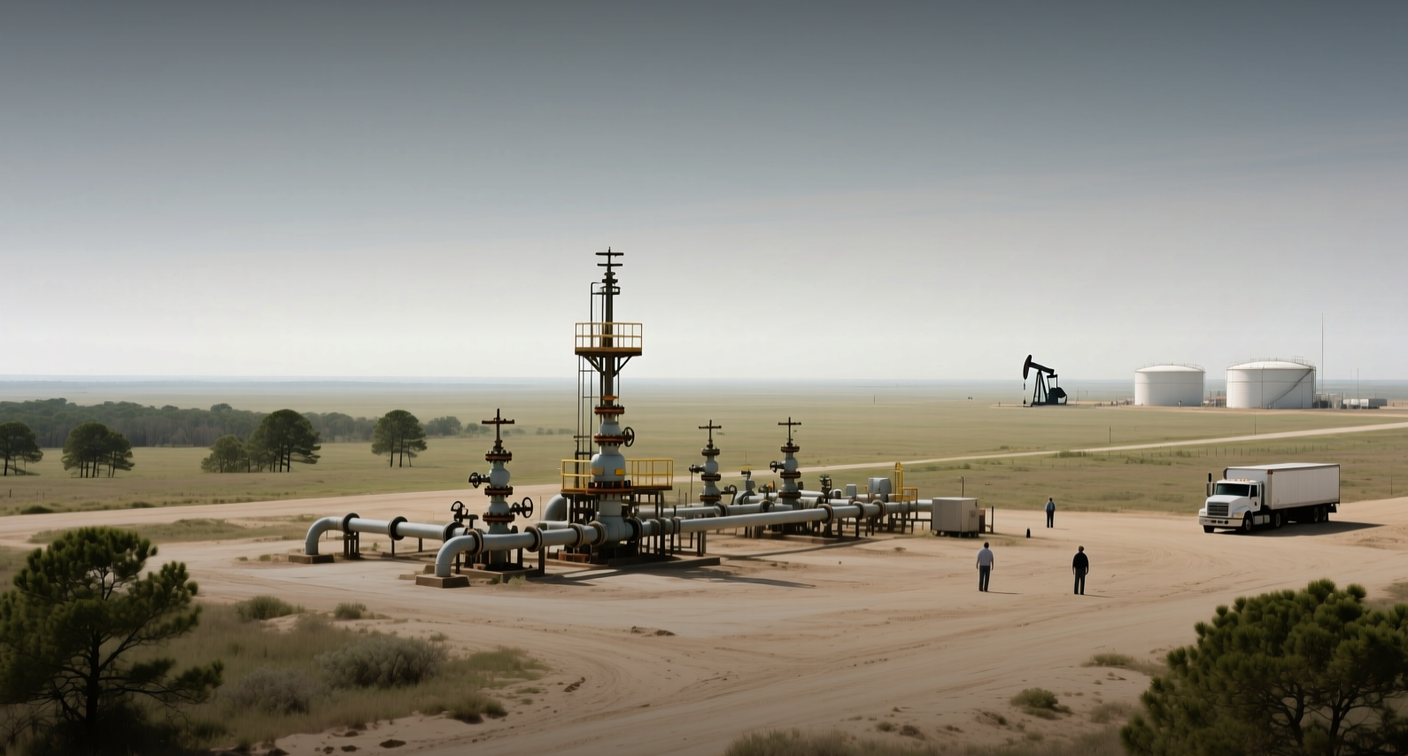
Commodities trader Gunvor is in talks to buy Silver Hill Energy Partners' Haynesville shale gas assets for $1.2 billion to $1.5 billion, four sources told Reuters, deepening its push into integrated U.S. natural gas production and marketing.
The sources, who requested anonymity to discuss confidential matters, cautioned that negotiations are at an early stage and a deal is not guaranteed. Gunvor declined to comment; Silver Hill did not immediately respond to a request for comment.
Silver Hill owns roughly 58,000 net acres across East Texas and Louisiana with estimated net production of about 370 million cubic feet equivalent per day, according to energy consultancy Rystad, which flagged the company as a potential acquisition target in a May report on rising Haynesville M&A interest.
The acquisition would be Gunvor's second Haynesville deal this year, following its financial backing of Western Natural's approximately $300 million purchase of gas-producing assets in the basin in June. Oklahoma City-based Western Natural would operate the Silver Hill assets if the talks succeed, the sources said.
The Haynesville basin has become a magnet for investors seeking exposure to U.S. liquefied natural gas exports, given its high production rates and proximity to existing and planned LNG terminals along the Gulf Coast. The Iran war has further intensified global interest in U.S. gas, with importers scrambling to replace Middle Eastern supplies disrupted by Tehran's chokehold on the Strait of Hormuz. This geopolitical disruption has accelerated a shift toward U.S. gas as a reliable alternative, with the country's export capacity expanding as new terminals come online.
Gunvor's expansion into U.S. natural gas marks a strategic pivot that has largely coincided with the appointment of American-born Gary Pedersen as chief executive officer after a management buyout of co-founder Torbjorn Tornqvist last year. Beyond the Western Natural deals, Gunvor added its second LNG long-term offtake agreement with Delfin Midstream in May, securing additional export capacity for its growing production base. The combination of upstream assets and offtake agreements gives the trader a vertically integrated position across the U.S. gas value chain.
Other commodities traders have followed a similar playbook. Top energy trader Vitol and hedge fund Citadel have amassed interests in U.S. natural gas-producing and exporting facilities in recent years, deploying record profits into upstream and downstream assets to gain flexibility in their core trading operations. This convergence of trading houses and physical producers reflects a broader industry shift toward vertical integration.
The broader trend reflects a structural shift in U.S. gas demand. Power-hungry AI data centers are driving a surge in electricity consumption, while new LNG export terminals along the Gulf Coast are creating additional outlets for domestic production. The Haynesville basin, with its high well productivity and pipeline connectivity to Gulf Coast markets, sits at the center of this demand growth. Rystad's May report highlighted the basin as a focal point for M&A activity, with multiple private operators viewed as potential targets.
If the Silver Hill deal closes, Gunvor would control a meaningful production base in one of the most strategically positioned U.S. gas basins, giving it direct access to supply for its LNG offtake commitments and trading book. The deal would also signal that commodity traders are willing to deploy significant capital into physical assets as they seek to hedge against volatile global gas markets.
The timing is notable. U.S. natural gas prices have been under pressure from record production growth, but the demand outlook from data centers and LNG exports is expected to tighten the market over the next several years. Traders that control physical supply are better positioned to capture the upside from this demand growth while managing their exposure to price volatility. For Gunvor, the Silver Hill acquisition would represent a significant step toward becoming a fully integrated U.S. gas player, from wellhead to export terminal.
This article is for informational purposes only and does not constitute investment advice.
