
Gold enters the June CPI release near $4,111 with markets pricing a 74.9% probability of a July Fed hold, but the inflation data carries greater weight for the September meeting where futures imply a 63% chance of a hike.
Gold enters the June CPI release near $4,111 with markets pricing a 74.9% probability of a July Fed hold, but the inflation data carries greater weight for the September meeting where futures imply a 63% chance of a hike.
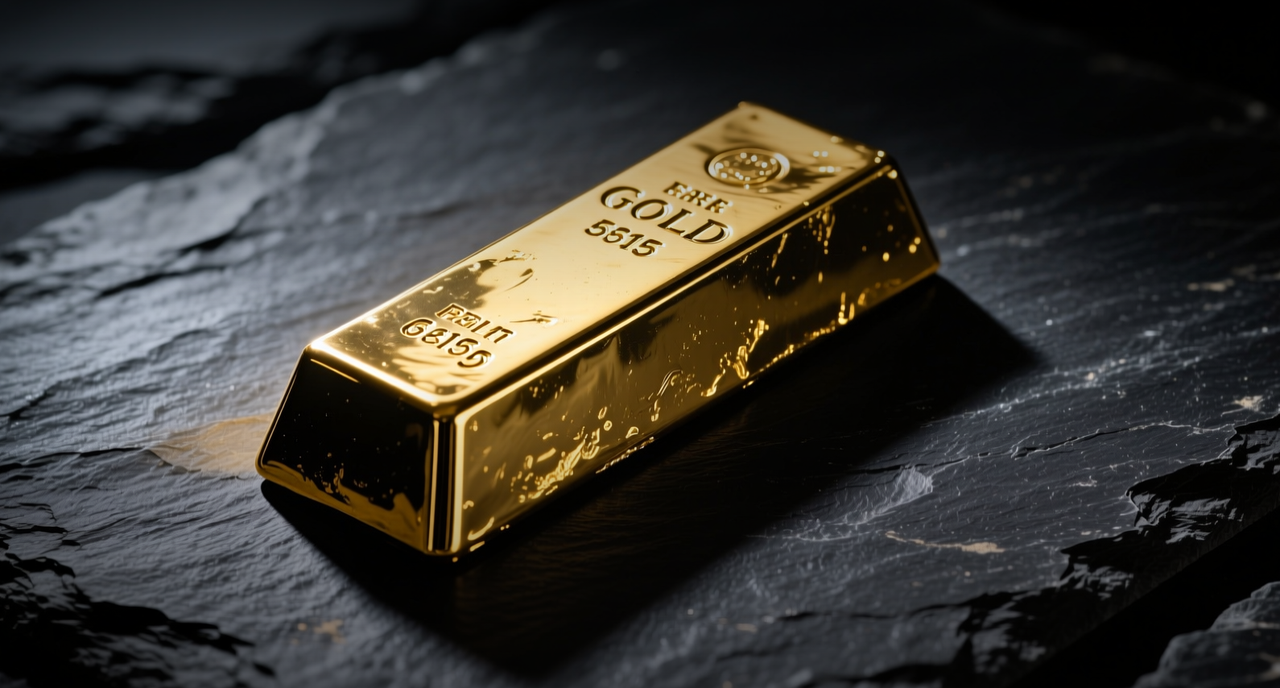
Gold enters the June Consumer Price Index release near $4,111 an ounce, with the composition of Tuesday's inflation data likely to carry more weight for the Federal Reserve's September meeting than for the July decision, where markets already price a 74.9% probability of a hold.
"The market is treating July as a done deal, so the real repricing risk sits with September," said James Okafor, macro strategist at Edgen. "A broad-based core acceleration would lift September hike odds and tighten the real-rate hurdle that has capped gold."
The June CPI report, due at 8:30 a.m. ET on July 14, is the last major inflation reading before the Federal Open Market Committee meets on July 28-29. May's headline rose 0.5% month over month and 4.2% year over year, while core advanced 0.2% month over month and 2.9% year over year — a gap driven by energy. Continuum Economics projects June headline inflation at roughly unchanged on the month, with the annual rate slipping to about 3.9%, while core rises 0.3% month over month as services costs hold firm. The Cleveland Fed's nowcasting tool estimates trailing 12-month inflation at 3.92% in June and 3.49% in July, reflecting the sharp decline in crude oil prices after preliminary U.S.-Iran peace talks.
Why the report matters more for September than July
Two conditions anchor the July meeting. Fed-funds futures assign most of the probability to no change, and Fed Chair Kevin Warsh has emphasized patience over pre-commitment. At the European Central Bank's Sintra forum on July 1, Warsh said prices remain too high and declined to offer forward guidance on the July meeting, while noting that inflation expectations had eased alongside lower oil. Only a large and broad inflation surprise would materially increase the probability of a July hike.
September carries more room to move because policymakers receive two additional CPI reports, two Personal Consumption Expenditures readings, and two employment reports before that decision. CME FedWatch data shows the cumulative probability of a 25 basis-point hike by the Sept. 16 meeting at about 63%, compared with 25.1% for July. The June print is a major repricing catalyst for that meeting, though it does not settle the decision on its own.
Gold pays no yield, so its attractiveness moves with the opportunity cost of holding it. The 2-year yield sits near 4.19% and the 10-year near 4.54%, while the 10-year Treasury Inflation-Protected Securities real yield — the measure most directly tied to gold's opportunity cost — stands at 2.30%. The dollar index trades near 100.9 after a safe-haven bid tied to Middle East risk. A hotter core reading would likely lift expected policy rates and the dollar simultaneously, creating the clearest bearish combination for gold. A softer reading would ease those pressures.
Three scenarios for gold around the release
A broad upside surprise, with headline and core both above the forecast baseline, would strengthen the case that inflation extends past energy, pushing gold toward the $3,945-$3,990 support zone. An in-line aggregate would shift attention to the mix, where a large shelter or services contribution could read as hawkish even when the top-line matches, keeping gold in a range trade around the $4,000-$4,150 area. Headline and core readings below the baseline, combined with cooler shelter and services inflation, would reduce the urgency for a September hike and open room toward the $4,148-$4,210 resistance band.
The cleanest signal will be the split between headline and core. A soft headline paired with firmer core would tell markets that energy did the work while domestic pressure persisted, a mix that keeps the Fed cautious and limits how far gold can rebound. The last time core CPI ran above 0.3% month over month for two consecutive readings was in early 2025, preceding a period where gold corrected about 6% over the following six weeks as the dollar strengthened.
Unless the inflation surprise is unusually large and broad, July should remain weighted toward a hold. The more durable market move will come through September pricing, with real yields and the dollar determining whether gold tests $4,000 or extends its recovery toward $4,200.
This article is for informational purposes only and does not constitute investment advice.
