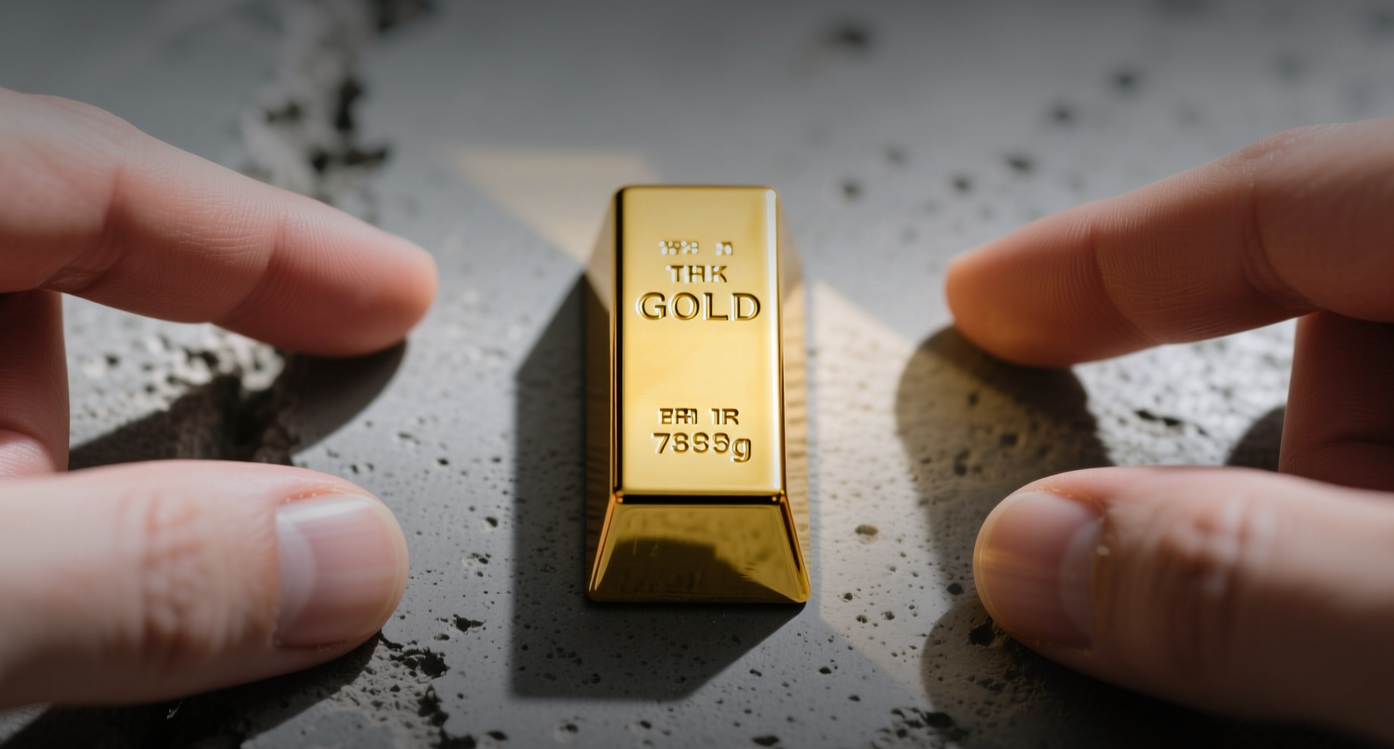
Gold has held above $4,000 an ounce since late June despite crude oil surging more than 40% and the dollar rebounding, a decoupling that analysts say points to a potential Q3 breakout.
Gold rose as much as 1.1% to near $4,100 an ounce on July 26 after the US paused an almost two-week run of strikes against Iran and the Islamic Republic signaled it was refraining from retaliatory attacks, according to Bloomberg data. The move extended a period of unusual resilience: since COMEX gold touched a 2026 low of $3,955.40 on June 30, the metal has traded in a narrow range around $4,000 even as crude oil rebounded more than 40% from its July 2 trough and the US dollar index strengthened from July 15.
"The market has fundamentally shifted," said a foreign-exchange dealer at a local bank in Seoul, who spoke on condition of anonymity because they were not authorized to comment publicly. "Sentiment has completely changed from a month ago. Short-dollar strategies are increasingly seen as effective, and gold is benefiting from that rotation."
The decoupling reflects five structural changes in gold market dynamics, according to a July 24 analysis from Zhang Wei Economic Observer. COMEX gold trading volumes have collapsed 70% from the February peak of nearly 2 million contracts to fewer than 600,000 contracts in the week ended July 17, reducing the risk of gold being sold as a liquidity source during equity selloffs. When the Philadelphia Semiconductor Index fell more than 15% from its June 22 peak through July 23, gold dropped less than 3% — a stark contrast to prior liquidity crises including the 2020 pandemic, the August 2024 yen carry trade unwind, and the April 2025 tariff shock.
ETF outflows slow as central banks and crypto investors step in
SPDR Gold Trust outflows have decelerated sharply, with net inflows recorded in the weeks ended July 9 and July 23 after persistent net selling since February, the analysis showed. The People's Bank of China added 480,000 ounces of gold in June, its 20th consecutive monthly purchase, bringing total reserves to 75.44 million ounces. Other emerging-market central banks have accumulated 142 tonnes this year, led by Poland (64 tonnes), Uzbekistan (33 tonnes) and Kazakhstan (20 tonnes), more than offsetting 115 tonnes of combined sales by Russia and Turkey.
A new source of demand has emerged from cryptocurrency markets. Gold (XAU) contract open interest across crypto exchanges reached $880 million, while Tether Gold (XAUT) open interest hit $528 million, with both showing significant increases since July, according to CoinGlass data. The inflows broaden gold's investor base beyond traditional ETF and central bank channels.
Macro catalysts align for a potential Q3 breakout
Two catalysts could drive gold into a new uptrend in the third quarter, the analysis said. First, Pakistan has been exploring mediation between the US and Iran to end nearly five months of conflict, according to three Pakistani sources cited July 24. A de-escalation — which would follow the pattern of previous Trump Administration "TACO" pauses when 10-year US Treasury yields approached 4.7% — could pull crude oil prices lower and ease inflation concerns that have weighed on gold.
Second, the dollar's rally may be exhausting itself. The US dollar short-to-long ratio has reached 1.05, a level that historically precedes dollar weakness, according to CFTC positioning data. US job openings-to-unemployment ratio has fallen to around 1.0 from above 2.0 during the pandemic, signaling labor demand is cooling and reducing the case for sustained Federal Reserve tightening.
From a positioning perspective, COMEX gold short-to-long ratio hit 0.15 on June 16, a level that has historically marked the start of gold rallies. Asset manager long positioning has risen to 36% of total gold longs from below 30% at end-March, though it remains below the 40% threshold that typically signals the start of a major uptrend. Gold implied volatility has also fallen below its 250-day moving average, a condition that preceded previous breakouts.
"Unless the Kospi rebounds to its previous high, foreign selling of South Korean stocks is unlikely to rise as sharply as it did in the past," the Seoul-based dealer said. "SK Hynix's dollar sales should continue to support the won for the time being, which removes one headwind for gold."
This article is for informational purposes only and does not constitute investment advice.