Fortitude Mining placed a $31.5 million bet on Zcash, ordering 9,000 next-generation ASICs from Bitmain as it prepares to go public.
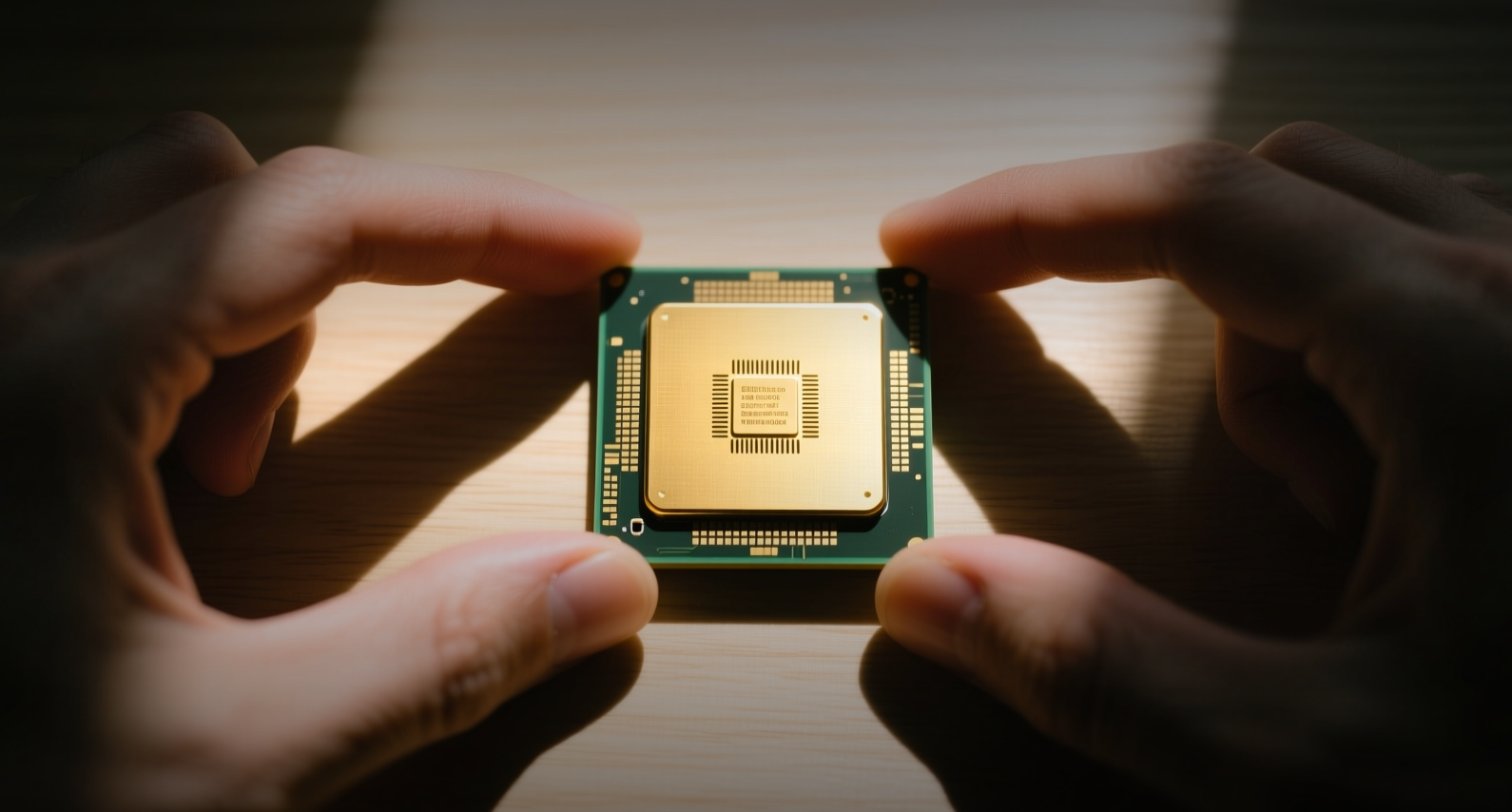
Fortitude Mining ordered 9,000 Bitmain Antminer Z15 Pro units for $31.5 million, expanding its Zcash mining fleet by 7.56 gigahash per second. The Digital Currency Group subsidiary secured each unit at $3,499, roughly $1,500 below Bitmain's May 2026 list price of $4,999, saving approximately $13.5 million across the order.
"The order reflects our conviction in the network's long-term value and positions us to meaningfully grow our Equihash capacity," Andrea Childs, chief executive officer of Fortitude, said.
The machines are scheduled to ship in two tranches — 3,000 units in October and 6,000 in November — and will be deployed across Fortitude's seven sites spanning over 60 megawatts of contracted power capacity in South Dakota, Nebraska, Texas and New York. The company energized its first self-built facility, a 12 MW site in Grand Island, Nebraska, on July 28, two days before announcing the Bitmain deal. That facility runs on power priced at roughly $0.045 per kilowatt-hour, cutting Fortitude's direct cash mining cost per ZEC by 43 percent to about $40, according to the company.
Fortitude mined 72,696 ZEC in the first half of 2026, representing about 28 percent of total network production, and is pursuing a merger with Nasdaq-listed HeartSciences Inc. to list under the ticker TUDE in the second half of the year. The public listing would give investors a pure-play Zcash miner at a time when ZEC has returned more than 1,000 percent over the trailing 12 months.
The Nasdaq Route
Fortitude's merger with HeartSciences, a medical device company trading under HSCS, is expected to close in the second half of 2026. The combined company would operate under the Fortitude brand on the Nasdaq Capital Market. The transaction requires shareholder and regulatory approvals, and the listing application remains subject to Nasdaq review.
Network Implications
Fortitude's expanding footprint concentrates a growing share of Zcash's hashrate under a single corporate entity backed by Digital Currency Group. While lower production costs could help stabilize the network's security budget during market downturns — the company can profitably mine at $40 per ZEC versus less efficient operators — the concentration raises questions about decentralization on a chain that markets privacy as its core feature. Investors watching the TUDE listing should track three metrics: hashrate as a percentage of total Zcash network hashrate, all-in sustaining cost per ZEC mined, and whether the company holds or sells its mined coins.
This article is for informational purposes only and does not constitute investment advice.