
The FCC's July 28 Covered List expansion blocks new foreign-made robots and power inverters from US market access, drawing sharp criticism from Beijing.
The FCC's July 28 Covered List expansion blocks new foreign-made robots and power inverters from US market access, drawing sharp criticism from Beijing.
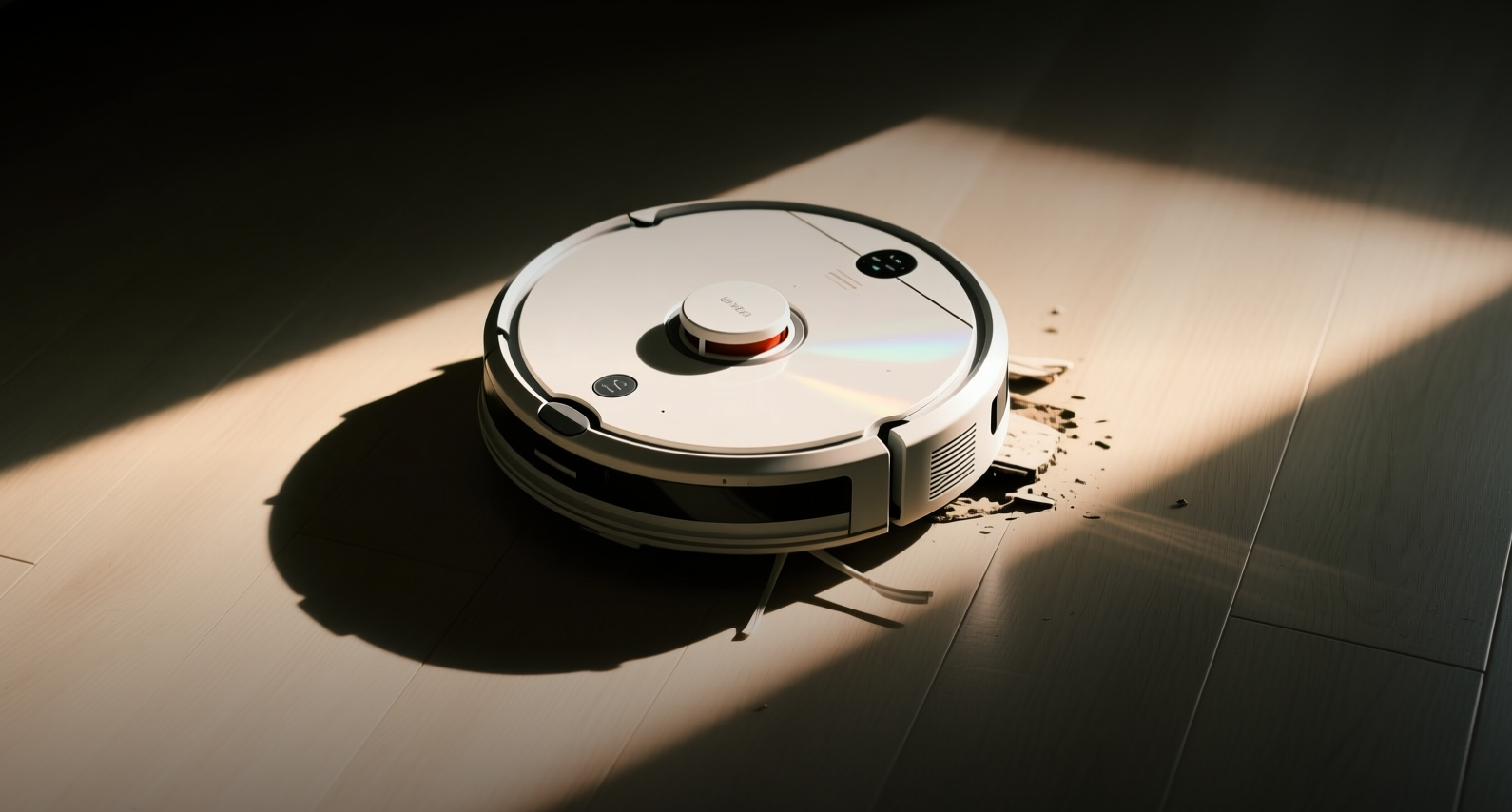
The FCC added foreign-produced robots and power inverters to its Covered List on July 28, blocking new models from US market entry as Beijing's People's Daily condemned the move as discriminatory bullying. The listing, issued through Public Notice DA 26-786, bars new foreign-produced advanced robotic devices and power inverters from the equipment authorization required to import, market, or sell them in the United States.
"Following President Trump's leadership, the FCC will continue to do our part to secure America's critical supply chains and, with today's action, the FCC is acting in lock step with our national security agencies," FCC Chairman Brendan Carr said in a statement. The People's Daily editorial, published under the pen name Zhong Sheng, said the measures "are essentially discriminatory treatment and suppression of Chinese enterprises and products, typical unilateral bullying, and a blatant distortion of market economy rules and fair competition principles."
The new entries apply to any product that fails the Buy American "domestic end product" test under 48 CFR § 25.101(a), which requires US-made components to exceed 65 percent of total component costs through 2028, rising to 70 percent in 2029. The robotics definition covers mechanical mobile devices weighing more than 4.4 pounds with environmental sensors, network connectivity of at least 200 kilobits per second, and software controlling autonomous navigation or remote command-and-control — a scope that includes consumer products such as robot vacuums and lawn mowers, according to FCC supplementary guidance. The inverter definition targets bidirectional power-conversion devices with remote communication capabilities, spanning microinverters, string inverters, central inverters, and hybrid battery-based inverters.
The action follows a National Security Determination from a White House-convened interagency body citing documented security incidents, including a vulnerability discovered in early 2026 that allowed remote actors to access thousands of consumer robots inside homes worldwide, reportedly as many as 7,000 devices, with live camera feeds and microphone audio exposed. The determination also referenced a September 2025 exploit affecting fleets of Unitree robots and an April 2025 report of a potentially pre-installed backdoor in foreign-produced robotic quadrupeds.
Conditional Approval Tied to US Onshoring
Producers seeking to continue US market access must apply for Conditional Approval by January 1, 2028, submitting detailed corporate ownership, bill-of-materials, supply-chain, and time-bound US manufacturing plans. The Department of War alone may grant Conditional Approval for robotic devices, while the Department of War or Department of Homeland Security may approve power inverters. The FCC's Office of Engineering and Technology simultaneously issued a waiver permitting certain Class I and Class II software and firmware updates to previously authorized devices through at least January 1, 2029.
The listing is part of a broader regulatory campaign. Days before, on July 22, the FCC adopted a Third Report and Order closing the "component part loophole" that had allowed devices incorporating logic-bearing hardware from Covered List entities to receive authorization. The accompanying Third Further Notice of Proposed Rulemaking proposes cutting the R&D import allowance for foreign-produced robots from 4,000 units to just 40, along with hardware and software bill-of-materials disclosure requirements.
The FCC's Fiscal Year 2027 Agency Performance Plan elevates "Promote National Security and Public Safety" to one of only four agency-wide strategic goals, naming robotics and autonomous systems as a technology area where the new Council on National Security intends to "ensure the US wins the strategic competition with China." The Covered List has expanded rapidly since December 2025, when the FCC added foreign-produced uncrewed aircraft systems, followed by consumer-grade routers in March 2026.
For Chinese manufacturers of power inverters and robotics — sectors where Chinese firms hold significant global market share — the listing creates immediate barriers to the US market. The People's Daily editorial signals Beijing's willingness to escalate the dispute, raising the prospect of retaliatory measures against US technology products. Companies with exposure to connected hardware should assess their bill-of-materials against the 65 percent domestic content threshold and prepare Conditional Approval filings well before the January 1, 2028 deadline, given that application backlogs have followed past Covered List expansions.
This article is for informational purposes only and does not constitute investment advice.
