
Key Takeaways: Japan's 10-year bond auction posted its worst tail since 2015, pushing yields toward the 2.90% July peak and exposing the limits of a roughly $100 billion FX intervention.
Key Takeaways: Japan's 10-year bond auction posted its worst tail since 2015, pushing yields toward the 2.90% July peak and exposing the limits of a roughly $100 billion FX intervention.
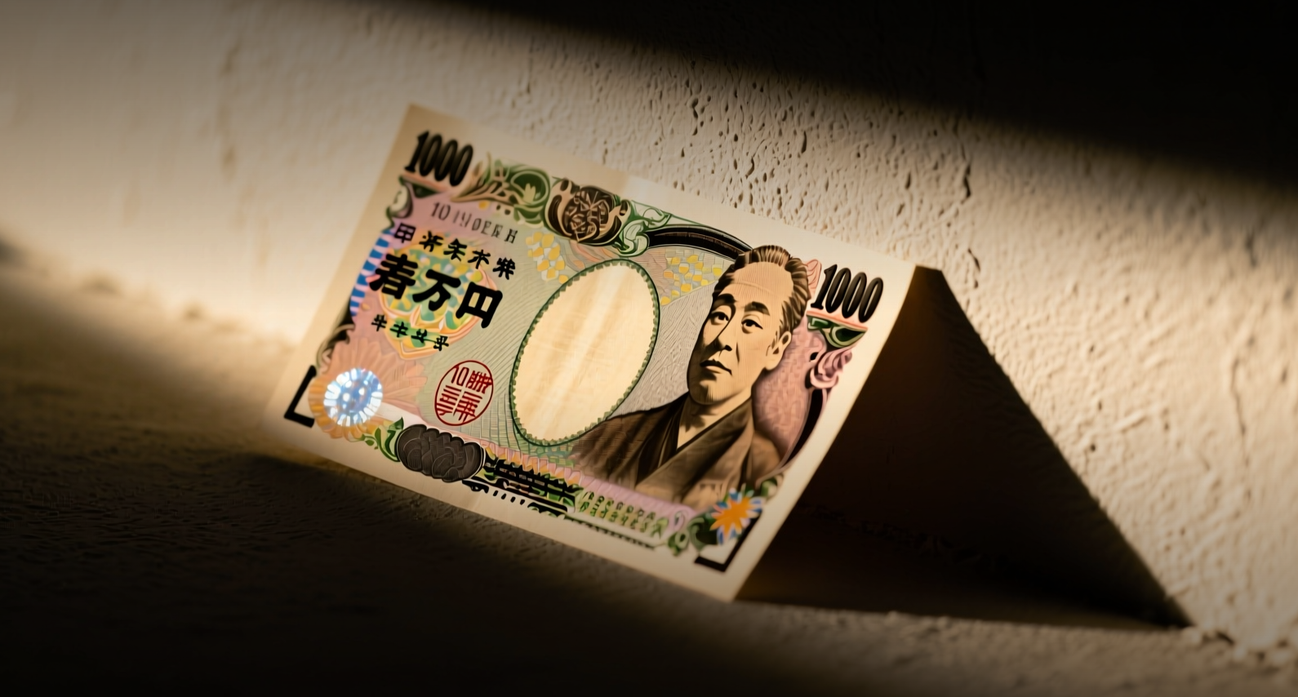
Japan's 10-year bond auction posted its worst tail since 2015, pushing yields toward the 2.90% July peak and exposing the limits of a roughly $100 billion FX intervention.
Japan's 10-year government bond auction on Tuesday drew the weakest demand in over a decade, with the tail price collapsing to 2.56 and yields jumping 5 basis points to 2.87%, within striking distance of July's 2.90% peak.
"Investors appear to be punishing the Bank of Japan for failing to more clearly signal its intent to tackle inflation and raise rates faster," said Mark Cranfield, a strategist at Bloomberg.
The tail — the gap between average and lowest accepted price — came in at 2.56, the lowest since May 2025 and the third-worst reading since 2015, versus a historical average of 3.3. The minimum accepted price also fell far below pre-sale market expectations, confirming a full retreat in demand that surprised even Japanese domestic investors. JGB futures dropped 34 basis points to 126.37.
The failed auction raises the stakes for the BoJ, which holds roughly half of Japan's bond market. Unless the central bank hikes outside its normal policy review cycle or signals consecutive increases, yields could break above 2.90% and trigger a synchronized selloff across G10 sovereign debt, according to Bloomberg strategists.
The auction's failure also cast doubt on the effectiveness of the coordinated FX intervention conducted by Tokyo and Washington last week. The dollar-yen pair fell to 155.20 before rebounding nearly 300 basis points, erasing about a third of the intervention's impact. The yen traded 0.3% softer at 157.715 per dollar on Tuesday, though it remains roughly 4% stronger against both the dollar and euro compared with levels a week ago.
The intervention — the first US foray into Japan's foreign exchange market in 15 years — cost Japanese authorities close to $100 billion. Yet the bond auction suggests the fiscal response has not restored confidence in Japanese assets.
"The latest bond auction's lukewarm reception shows the latest round of FX intervention has failed to turn around market confidence in Japanese assets," said Ven Ram, a strategist at Bloomberg. "The next move should come not from the US Treasury or Japan's Finance Ministry, but from the Bank of Japan."
The BoJ faces a structural dilemma. Japan's bond market is the world's second-largest, with the central bank holding approximately half of outstanding JGBs. Aggressive rate hikes risk destabilizing this fragile market structure, while maintaining low rates leaves the yen vulnerable and inflation pressures unaddressed.
The market's frustration is rooted in the BoJ's incremental approach. Even as inflation has persisted above target, the central bank has moved cautiously, leaving investors uncertain about the pace of normalization. This uncertainty has translated directly into the bond market's demand destruction — investors are unwilling to bid aggressively for JGBs when they believe yields should be higher.
Global conditions are compounding the pressure. The 30-year US Treasury yield surged to 5.27% last week, the highest since 2007, as long-end rates across developed markets moved higher in tandem. This synchronized rise in global long-term yields further constrains the BoJ's policy space, making any delay in normalization more costly.
"If JGB yields break above last month's high, it could have a strongly negative impact on G10 members and spill into global fixed income markets," Cranfield warned.
The transmission chain is clear: continued bond market weakness pushes yields higher, which in turn pressures the yen, which could force further FX intervention — a cycle that ultimately requires a monetary policy response. The next BoJ policy meeting will be closely watched for any signal of an unscheduled hike or accelerated normalization path. Until then, the bond market's verdict on the central bank's credibility remains the key risk for global fixed income.
This article is for informational purposes only and does not constitute investment advice.
