
Key Takeaways: European LNG prices have doubled in a year as the Hormuz Strait blockade cuts off one-fifth of global supply heading into winter.
Key Takeaways: European LNG prices have doubled in a year as the Hormuz Strait blockade cuts off one-fifth of global supply heading into winter.
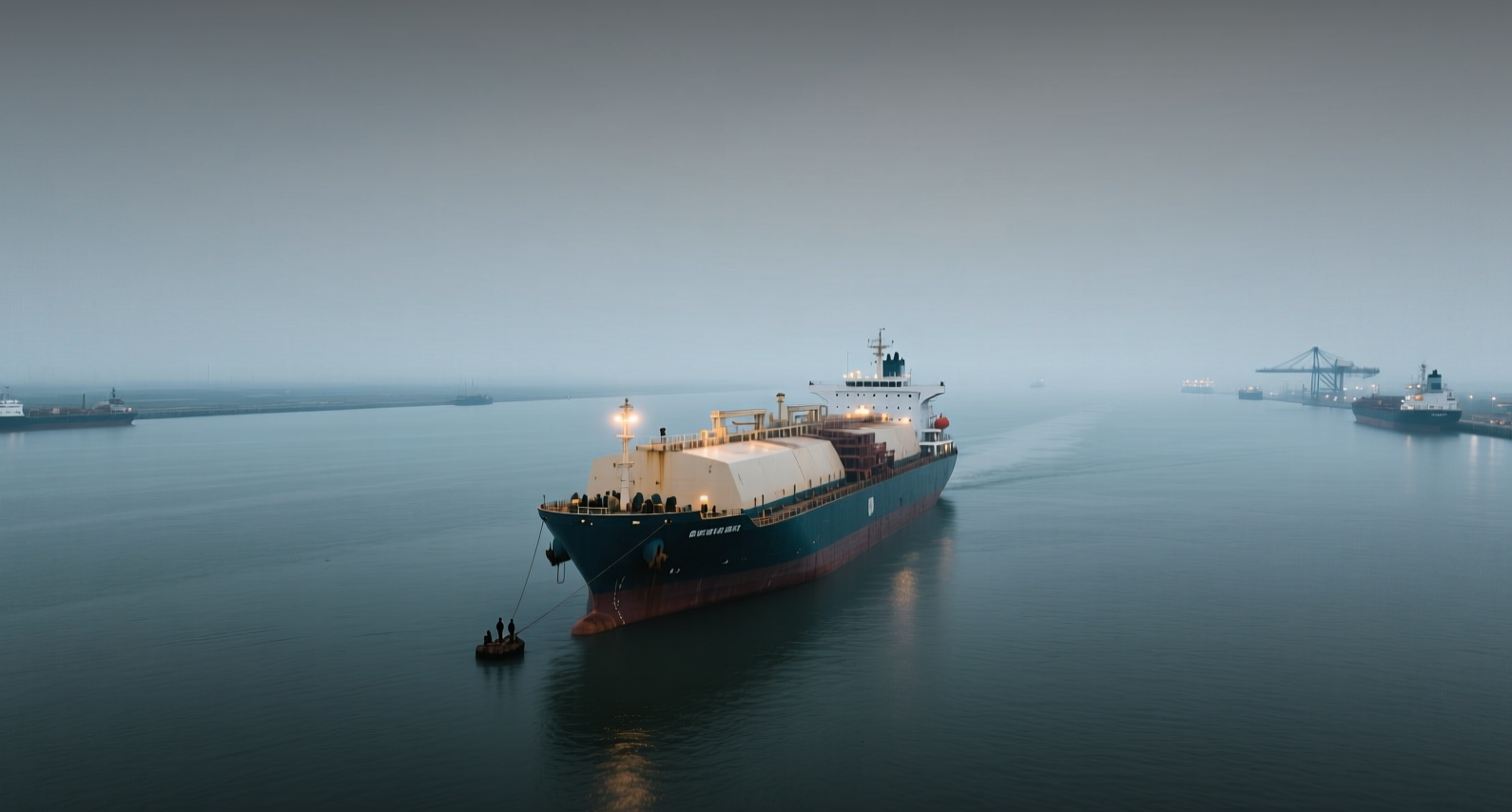
European northwest LNG spot prices surged to $22.83 per million British thermal units this week, the highest since January 2023 and more than double year-ago levels, as the Hormuz Strait closure tightens global supply just as Europe enters winter with depleted storage. The benchmark has risen sharply since the US-Israel war on Iran began Feb. 28, with only eight LNG carriers exiting the strait in July versus roughly three per day before the conflict, according to Kpler data.
"Market confidence in a near-term reopening of the Strait of Hormuz is fading," said Martin Senior, head of LNG pricing at Argus Media. "The blacklist of vessels and continued military presence in the waterway are keeping charterers away."
The price surge is rippling across global markets. Asia's Platts JKM benchmark rose 13 percent in August, while European buyers and Asian importers are competing for a shrinking pool of cargoes. Germany's gas storage facilities stand at roughly 50 percent fill, and Europe's daily net injection rate has fallen to 3 terawatt-hours, below the 3.6 terawatt-hours recorded a year earlier, according to Gas Infrastructure Europe data.
Goldman Sachs warned in a Sunday research note that European benchmark gas prices need to reach 100 euros per megawatt-hour to "more significantly suppress Asian LNG demand" — a level nearly 50 percent above current contracts near 66 euros. With Asian buyers resuming purchases after an initial pullback, the global LNG supply gap is tightening further.
Iran's Persian Gulf Strait Authority escalated pressure this week, threatening fines and confiscation for dozens of vessels on a blacklist that includes 46 ships, among them 10 LNG carriers. The move follows months of disruption that has cut Hormuz traffic from more than 100 vessels daily before the war to roughly five per day, according to UNCTAD data. The strait normally carries about one-fifth of global LNG supply and roughly 20 percent of world oil.
LNG transport is uniquely vulnerable to the closure. Crude oil tankers have some flexibility to reroute or use alternative loading points, but LNG relies on specialized carriers and fixed regasification infrastructure. QatarEnergy has issued tenders for ship-to-ship transfers outside the strait, a workaround that adds cost and complexity.
Europe's storage deficit deepens
The supply shock compounds a pre-existing storage shortfall. European inventories were already below seasonal norms when the war began, and the conflict has forced utilities to slow injection rates to maintain current supply. Germany's regulatory framework requires government intervention if private operators fail to use booked storage capacity, raising the prospect of state-led purchasing as winter approaches.
The futures curve for the coming months is essentially flat, compressing the seasonal arbitrage that typically incentivizes traders to stockpile gas in summer for winter sales. That dynamic further reduces the incentive to rebuild inventories.
Asia's return tightens the global balance
Asian demand is emerging as the swing factor. During the early weeks of the conflict, Asian buyers cut LNG imports, temporarily easing competition with Europe. But as the war has dragged past six months, Asian economies have resumed purchasing, and the global market is now absorbing demand from both regions simultaneously.
The International Maritime Organization has recorded 70 incidents in the Strait of Hormuz since Feb. 28, with 19 seafarers killed. Oil prices remain roughly 20 percent above pre-war levels, with WTI crude trading near $81 a barrel, though the market has shown resilience as inventories built before the conflict provide a buffer.
Richard Matthews, director at Gibson Shipbrokers, said the industry has now absorbed multiple simultaneous shocks since 2020 — the pandemic, the Red Sea attacks, and now Hormuz — and the buffer of pre-war oil inventories is nearly exhausted. "The next six months could look much more volatile and critical in terms of inventories if things don't change soon," he said.
This article is for informational purposes only and does not constitute investment advice.
