

ChangXin Memory Technologies has overtaken Tencent to become China's most valuable listed company, closing at 3.54 trillion yuan.
ChangXin Memory Technologies has overtaken Tencent to become China's most valuable listed company, closing at 3.54 trillion yuan.
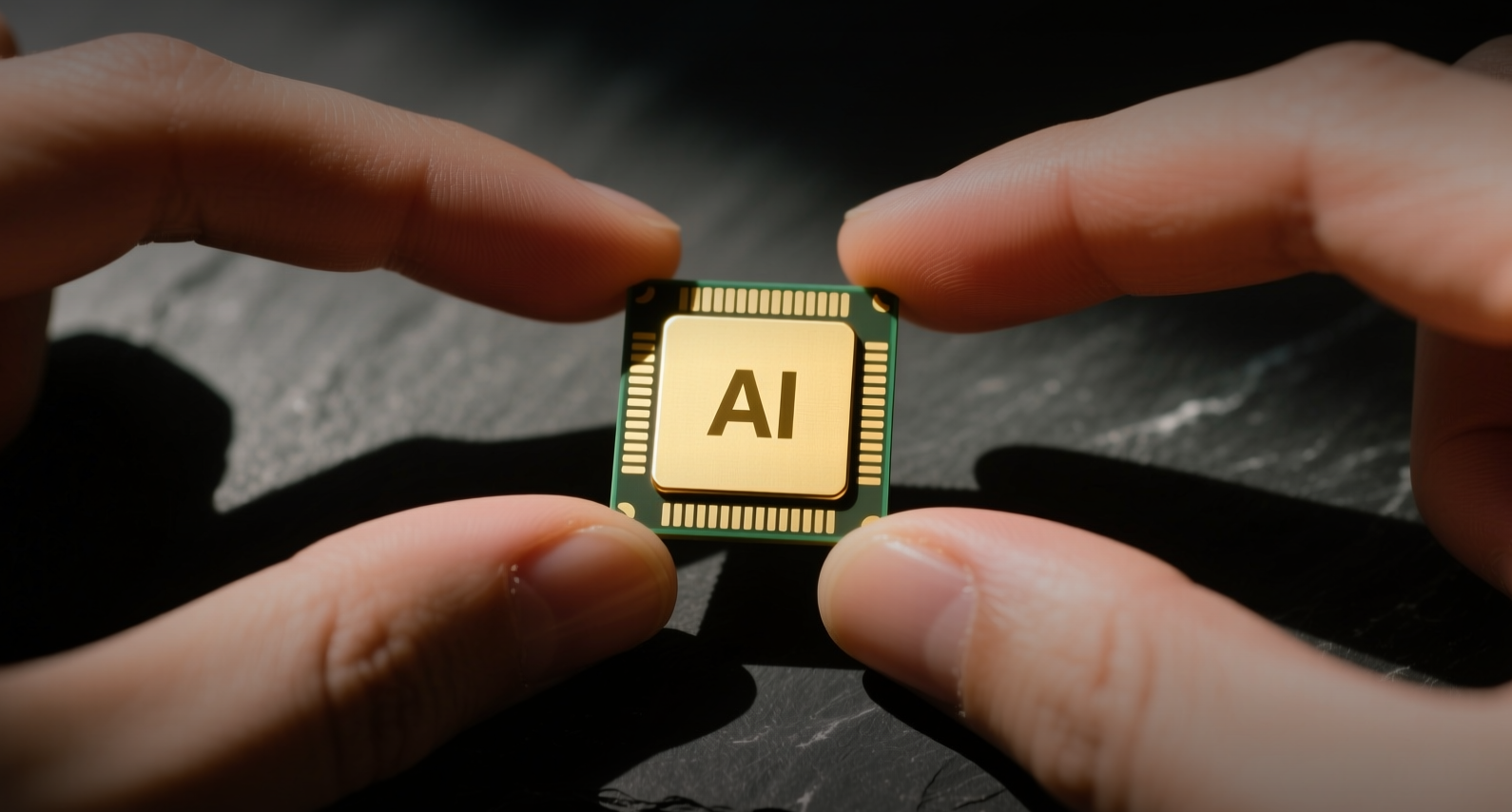
ChangXin Memory Technologies has overtaken Tencent to become China's most valuable listed company, closing at 3.54 trillion yuan two weeks after its STAR Market debut on AI-driven memory demand.
The memory industry is experiencing "a 100-year flood on memory pricing, with exponential increases in memory prices," Tim Cook, chief executive at Apple, said last month, as the AI infrastructure buildout strains supply of high-bandwidth chips.
CXMT shares have surged more than 500 percent from their offering price since the IPO, rising as much as 4 percent intraday Thursday before paring gains to close slightly lower. Tencent, whose market value fell to about 3.44 trillion yuan, declined after reporting second-quarter net profit of 56 billion yuan, missing the 61.82 billion yuan analysts expected, while capital expenditure jumped 65 percent to 52.8 billion yuan.
The milestone marks a shift in China's equity market, with the semiconductor sector overtaking internet platforms atop the valuation rankings. It also reflects confidence in CXMT, China's largest chipmaker and the world's fastest-growing memory supplier, as Beijing pushes for semiconductor self-sufficiency and the AI boom drives demand for DRAM chips.
CXMT's ascent comes as the global memory supply crunch, triggered by the AI buildout, has forced consumer electronics makers to scramble for chips. Apple has begun testing CXMT memory chips for iPhones and MacBooks sold in China, according to the Wall Street Journal, though the plan hinges on U.S. government approval. The Biden administration designated CXMT a Chinese military company, and the Trump administration weighed adding it to a trade blacklist before holding off earlier this summer.
AI Capex Scrutiny Weighs on Tencent
Tencent's decline reflects growing investor scrutiny of AI spending across major tech players. The company's second-quarter revenue rose 11 percent to 204.78 billion yuan, beating the 202.17 billion yuan consensus, driven by a 17 percent jump in domestic game revenue and a 22 percent gain in marketing services aided by AI-driven ad recommendations. But the 65 percent quarter-on-quarter jump in capital expenditure to 52.8 billion yuan raised concerns about profitability and cash flow, with the stock down 26 percent this year.
Memory Crunch Reshapes Supply Chain
The memory shortage, which Counterpoint Research calls "the single biggest drag on the smartphone industry," has pushed prices higher across consumer electronics. Apple has raised prices on iPads and MacBooks, and market watchers expect iPhone price hikes. CXMT, which has maxed out production this year and aims to more than double capacity by 2028, is prioritizing domestic tech companies in China, according to the Wall Street Journal.
The valuation shift also carries implications for U.S. chipmakers like Micron, which face a competitive threat from CXMT's expansion. Senators led by Chuck Schumer have urged Apple not to use CXMT-produced memory chips in any product sold anywhere in the world, warning that Apple's decision "would carry weight well beyond the company's own purchase orders."
CXMT's 3.54 trillion yuan valuation, built on a stock that has more than quintupled since its IPO, prices in sustained dominance of China's memory market at a time when the AI cycle is driving unprecedented demand. Whether the company can convert that demand into durable earnings — and navigate U.S. restrictions on its dealings with American firms — will determine if the valuation holds. Tencent, trading well below its peak after the AI capex selloff, offers a contrasting bet on whether China's internet giants can monetize their AI investments.
This article is for informational purposes only and does not constitute investment advice.
