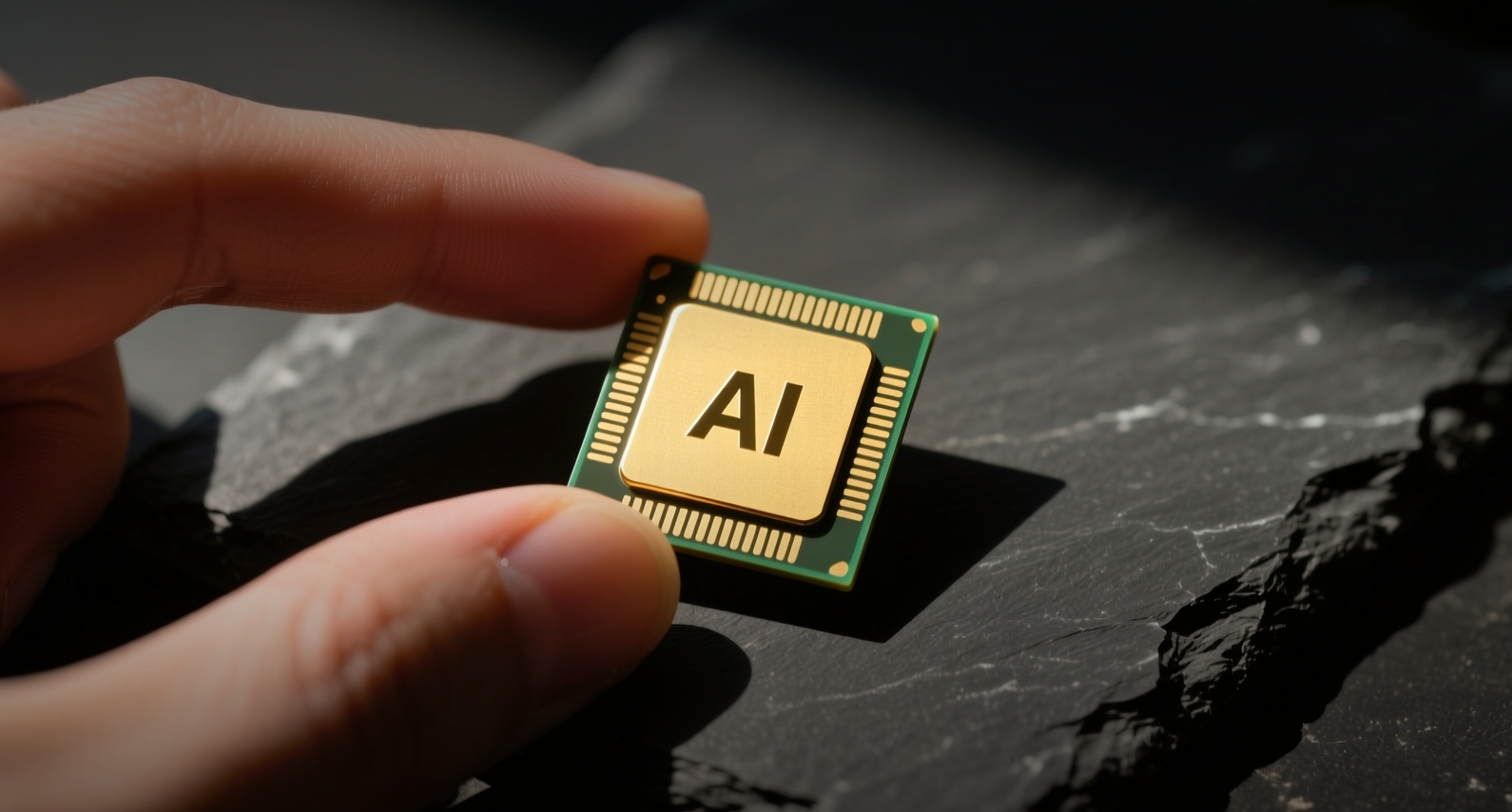
Cambricon Technologies reported H1 2026 net profit of 2.31 billion yuan, up 122.61 percent year over year, as Beijing's push for domestic AI chips accelerates.
"The results reflect accelerating demand for domestic AI accelerators as Chinese enterprises pivot away from foreign suppliers," Phelix Lee, an analyst at Morningstar, said.
The company did not disclose revenue or segment breakdown in the preliminary statement. Moore Threads Technology said in July it expected H1 2026 revenue to grow as much as 149 percent, while Shanghai-based Iluvatar CoreX is projected to see sales triple. Chinese firms plan to spend 46 percent of their AI accelerator budgets on locally made chips over the next 12 months, up from 30 percent now, according to a Bloomberg Intelligence survey of technology executives in June. Cambricon and Hygon Information Technology accelerators were being evaluated by a large pool of survey respondents.
The earnings come as Beijing mandates local tech firms find alternatives to Nvidia products, with US officials saying shipments of Nvidia's H200 processors to China have been "trivial." China's AI chip self-sufficiency is projected to reach 70 percent by the end of the decade, up from 42 percent in 2025, according to Morgan Stanley estimates.
Huawei Technologies is sharply ramping up production of its 910C Ascend chips, targeting about 600,000 units in 2026, Bloomberg News reported. Alibaba Group's chip unit T-Head is also expected to boost its domestic market share as Nvidia and Advanced Micro Devices face near-total exclusion from the Chinese market. Huawei and Cambricon are set to tighten their grip on China's AI server market as geopolitics and self-reliance accelerate Nvidia's retreat.
Chinese chipmakers are winning orders based on deployment economics rather than peak silicon performance, Morgan Stanley analysts including Charlie Chan wrote in a research note at the end of July. "Purchasing decisions are increasingly driven by deployment economics rather than absolute peak silicon performance," Chan wrote. Chinese chipmakers also compensate for lower single-chip performance with scale, showcasing server racks capable of integrating tens of thousands of chips at Shanghai's AI summit in July.
Beijing's ambitious data centre buildout, which plans to spend 2 trillion yuan (US$295 billion) over the next five years, will rely on local suppliers including Huawei for at least 80 percent of technology such as AI chips.
The profit surge shows Cambricon is capturing share in China's AI accelerator market as Nvidia retreats. Investors will watch for full-year guidance and data center revenue details in the company's detailed H1 report.
This article is for informational purposes only and does not constitute investment advice.