

Key Takeaways
- BYD launched the Racco kei car in Japan at JPY1.95 million ($11,900)
- The price undercuts Nissan's Sakura by about 20% with a longer 210km range
- The move targets Japan's largest auto segment where BYD has struggled since 2023
Key Takeaways
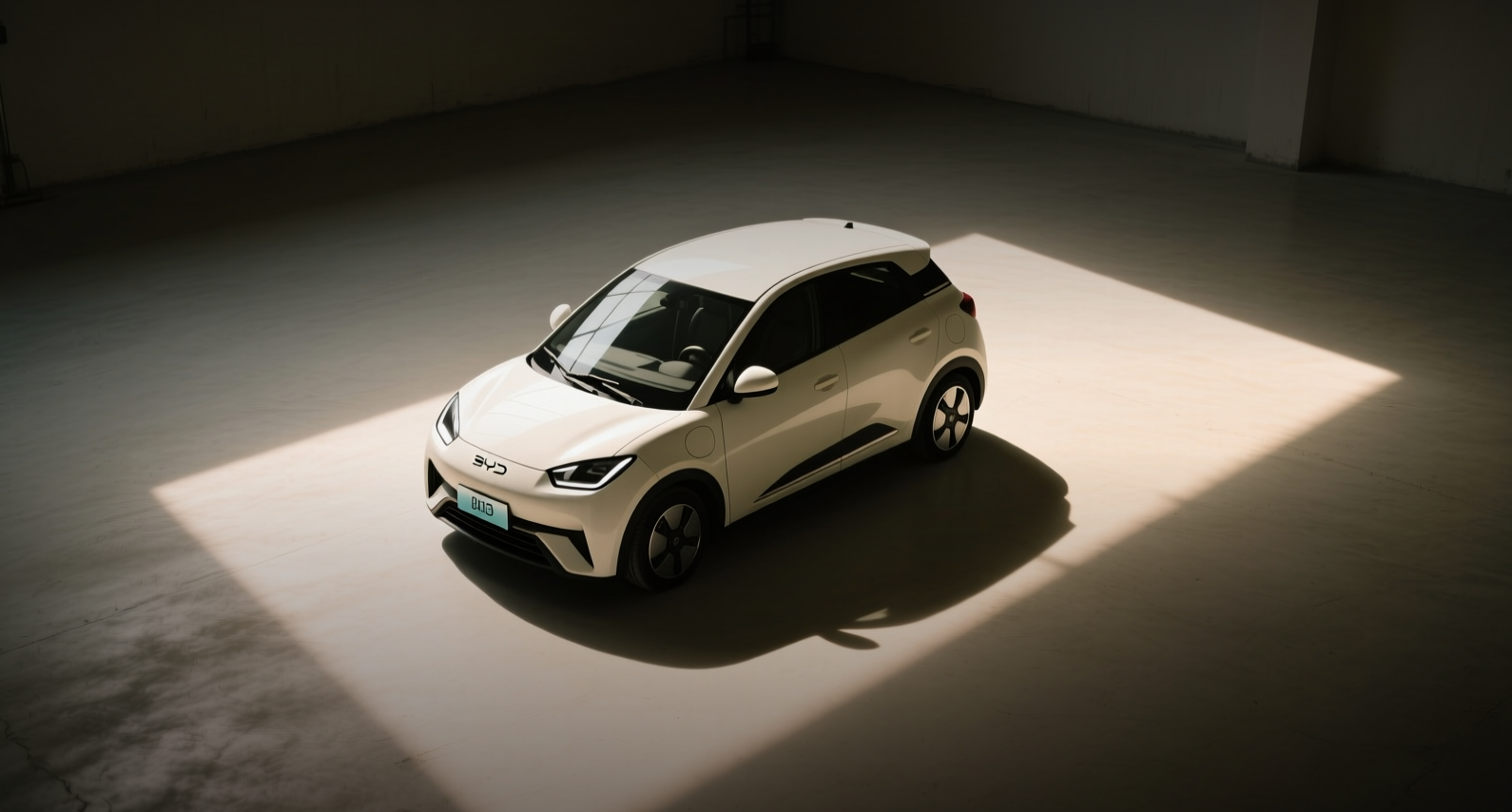
BYD is taking on Japan's domestic automakers on their home turf with a kei car priced 20% below Nissan's best-selling EV.
BYD's entry into Japan's kei car segment with a sub-JPY2 million electric vehicle threatens to disrupt a market long dominated by domestic players Nissan, Honda and Suzuki.
"The Racco gives Japanese consumers an affordable EV option with a range that exceeds the segment leader," Atsuki Tofukuji, CEO of BYD Auto Japan, said.
The Racco starts at JPY1.95 million ($11,900) before taxes and subsidies, undercutting Nissan's Sakura by about 20%. It offers a driving range of at least 210 kilometers, compared with the Sakura's 180 kilometers. BYD began selling passenger cars in Japan in 2023 but has struggled to gain traction against entrenched domestic brands.
Kei cars — a vehicle category unique to Japan with strict size and engine regulations — represent the country's largest automotive segment by volume, accounting for roughly 40% of new car sales. Nissan's Sakura has been the best-selling electric kei car since its launch, but BYD's pricing and range advantage could shift consumer preferences.
The Shenzhen-based automaker has built its global expansion strategy on aggressive pricing and vertical integration. Its Blade battery, which uses lithium iron phosphate chemistry, costs an estimated $56 per kilowatt-hour — among the lowest in the industry — giving BYD room to undercut rivals while maintaining margins. The Racco's 210-kilometer range, while modest by global standards, exceeds the typical daily driving distance for Japanese urban commuters by a wide margin.
BYD's Japan push comes as Chinese automakers accelerate overseas expansion amid a slowing domestic market and intensifying price competition. The company has already established a presence in Europe, Southeast Asia and Australia, but Japan's kei car segment presents a unique challenge: domestic brands hold more than 90% of the market, and foreign automakers have historically struggled to gain share.
Nissan, Honda and Suzuki together control the bulk of kei car sales. Nissan's Sakura, developed jointly with Mitsubishi, has sold more than 50,000 units since its 2022 debut. Honda's N-One and Suzuki's Wagon R remain popular gasoline-powered alternatives, though Japan's EV penetration remains below 3% of new car sales, trailing most developed markets.
BYD shares listed in Hong Kong (01211.HK) traded 1.1% higher on Tuesday. The stock has gained about 25% this year, giving the company a market capitalization of roughly $110 billion. Nissan shares (7201.JP) were little changed.
The Racco's success in Japan will depend on factors beyond pricing. BYD must build consumer trust in a market known for exacting quality standards, expand its dealer network beyond the current 30 locations, and navigate Japan's complex subsidy system. The company has said it plans to open 100 dealerships in Japan by the end of 2027.
For Japanese automakers, BYD's entry into the kei car segment represents a direct challenge to their most protected market. If the Racco gains traction, it could force incumbents to accelerate their own EV offerings in a segment where they have been slow to electrify, potentially compressing margins across Japan's domestic auto industry.
This article is for informational purposes only and does not constitute investment advice.
