
Key Takeaways: Oil prices steadied near $93 a barrel as traders weighed US sanctions on Iran against Tehran's threat to halt Gulf exports.
Key Takeaways: Oil prices steadied near $93 a barrel as traders weighed US sanctions on Iran against Tehran's threat to halt Gulf exports.
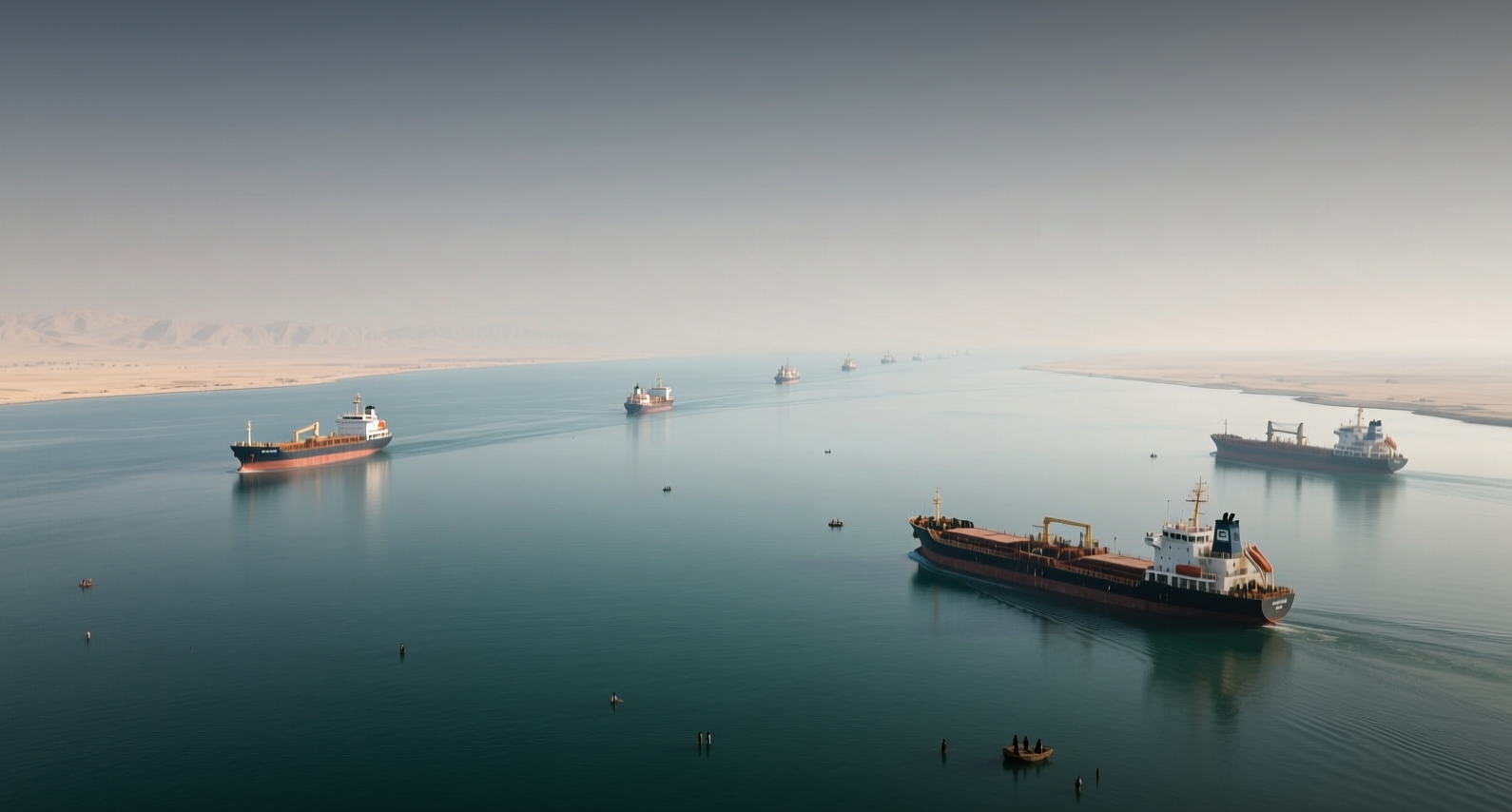
Brent crude steadied near $93 a barrel Monday as traders weighed US plans for "the toughest sanctions in history" on Iran against Tehran's threat to halt all Gulf oil exports.
"If the economic war continues, not a single drop of oil will be exported, neither through the Strait of Hormuz nor from anywhere in the Persian Gulf," Mohsen Rezaei, secretary of Iran's Supreme National Security Council, wrote in a social media post.
Brent fell 1.9 percent to $92.60 a barrel in early Asian trade before recovering, while WTI crude dropped 1.96 percent to $85.35. Both benchmarks had gained more than 5 percent last week — their second consecutive weekly rise — after a stalemate in US-Iran peace talks sharply reduced shipments through the waterway that normally carries a fifth of the world's oil supply.
US Treasury Secretary Scott Bessent is scheduled to outline the measures at a 2 pm EDT press conference Monday, having described the package as "the single greatest financial offensive ever marshalled against an adversary." Iran has threatened to halt all Gulf oil exports in response, and the latest spike remains far below the $126 a barrel level seen earlier in the conflict.
Washington has described the coming measures as targeting not just Iran but its trading partners, with President Donald Trump threatening action against countries that maintain economic ties with Tehran. Bessent has urged China — which sources half its Gulf oil imports from the region — to cooperate, though Beijing's embassy said "sanctions and pressure do not help resolve the problem."
The impact is already visible in physical markets. Trade sources cited by Reuters said offers of Iranian crude to Chinese buyers had fallen and prices had risen after a US blockade reduced Tehran's shipments. At the same time, Iran allowed several Iraqi oil tankers to transit the Strait of Hormuz after repeated requests from Baghdad, according to Iran's state news agency IRNA.
The geopolitical premium is rippling across asset classes. Asian equities sank Monday, with South Korea's KOSPI dropping 3.4 percent as Samsung Electronics plunged 8.7 percent and Hong Kong's Hang Seng fell 2.1 percent as Alibaba tumbled nearly 10 percent. US 10-year Treasury yields held near 4.71 percent, keeping pressure on growth stocks, while the Indian rupee opened 6 paise stronger at 95.64 per dollar as softer crude offered relief.
Trade tensions are compounding the risk-off tone. President Trump imposed 50 percent tariffs on $20 billion of Canadian goods after trade talks collapsed, and Ottawa has announced reciprocal measures. The combination of high borrowing costs and still-elevated equity valuations leaves technology shares particularly vulnerable to further profit-taking, according to Investing.com data.
The last time oil traded at these levels was during the initial phase of the conflict, when Brent spiked to $126 a barrel before retreating. The current standoff carries a similar risk profile: if the US sanctions succeed in cutting Iran's exports, Tehran retains enough missile and drone capability to threaten Gulf neighbours and tankers in the strait, potentially tightening supply further. If diplomacy prevails, the premium could unwind quickly.
For India, the world's third-largest oil importer, the stakes are direct. Domestic petrol and diesel prices have remained unchanged since May 25, with Delhi petrol at 102.12 rupees a liter, but sustained crude above $90 raises the risk of eventual pass-through. The Reserve Bank of India has accumulated nearly $73 billion through measures implemented in June to strengthen the balance of payments, providing a buffer against currency pressure.
This article is for informational purposes only and does not constitute investment advice.
